Introduction to Traditional Sauerbraten
Why Sauerbraten is a Beloved Classic
Have you ever experienced the comforting aroma of a roast slowly cooking in the oven? If you haven’t, then it’s high time to dive into the world of Traditional Sauerbraten. This iconic German pot roast is not just a meal; it's a celebration of flavors and culinary traditions that have stood the test of time.
Sauerbraten is celebrated for its rich, tender beef that is marinated for days in a tapestry of flavors, including vinegar, onions, and a mix of spices. The term “Sauerbraten” translates to “sour roast,” a name that hints at the unique tanginess derived from its marinating process. According to Food & Wine, this dish has roots dating back to the Middle Ages, where the sour marinade was a practical way to tenderize tougher cuts of meat, a purpose still appreciated by many home cooks today.
One of the things that makes Traditional Sauerbraten a beloved classic is its versatility. Different regions in Germany have their own unique spins on the dish, adding ingredients like dried fruit or ginger snap cookies to create varying levels of sweetness and complexity. So, whether you opt for a more traditional rendition or a modern twist, there's a Sauerbraten recipe tailored just for you.
Imagine gathering your friends or family around the dinner table, serving this hearty dish alongside creamy mashed potatoes or buttery spaetzle. It's an invitation for conversations, laughter, and the kind of memories that last a lifetime. Plus, the process of making Traditional Sauerbraten is a labor of love—one that teaches patience, as the longer you marinate, the more flavorful the dish becomes.
For those of you juggling a busy lifestyle, making a big batch on a Sunday and enjoying leftovers throughout the week is a practical approach. As you savor every bite, you'll appreciate not just the meal but also the tradition that comes with it. So, are you ready to take your culinary skills to the next level and create your own Traditional Sauerbraten masterpiece? It’s an experience you won’t want to miss!
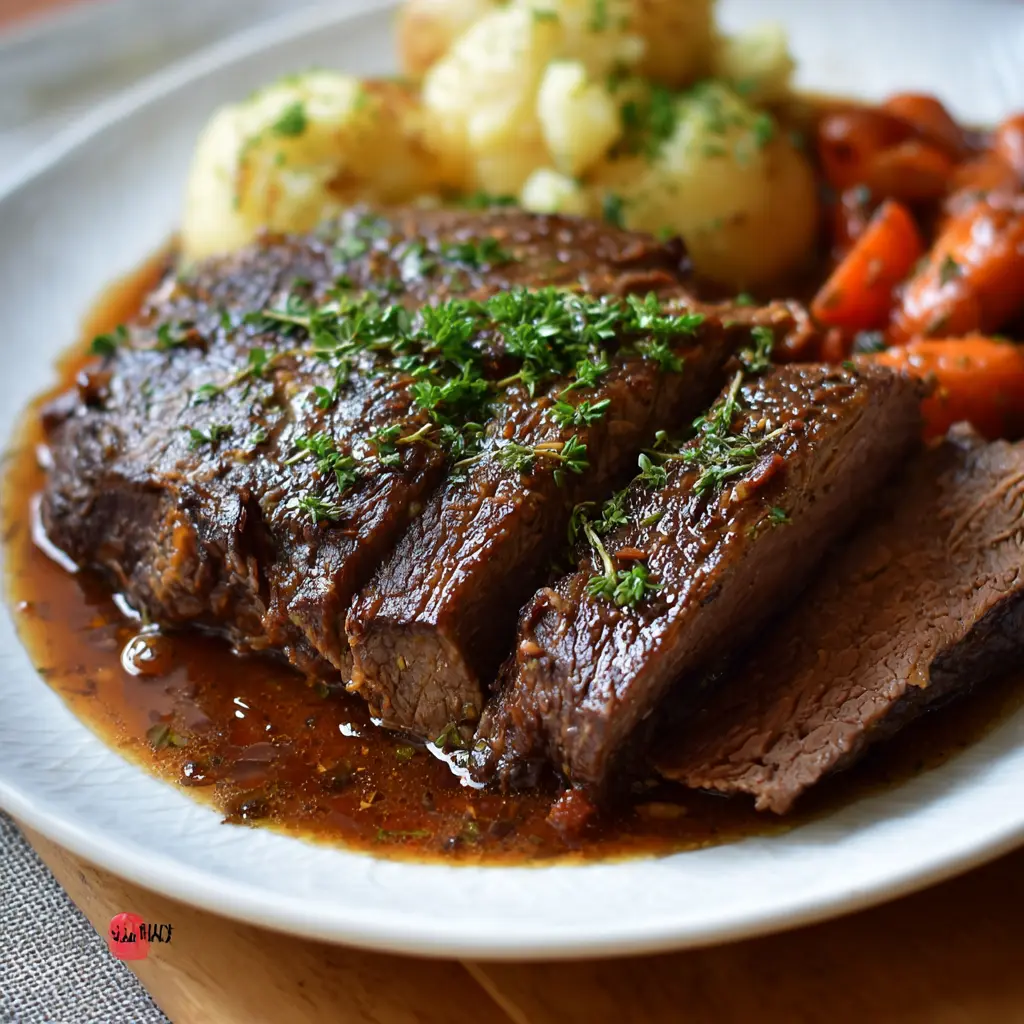
Ingredients for Traditional Sauerbraten
Crafting the perfect Traditional Sauerbraten is all about balancing flavors to achieve that ideal blend of tangy and savory. Let’s explore the essential ingredients that bring this delightful dish to life.
Marinade ingredients for maximum flavor
The key to a memorable Traditional Sauerbraten lies in its marinade. Here’s what you’ll need:
- Apple cider vinegar (for tanginess)
- Beef broth (to enrich the flavor)
- Onions, carrots, and celery (for a fragrant base)
- Brown sugar (for a touch of sweetness)
- Bay leaves, juniper berries, and whole cloves (spices that elevate the profile)
These ingredients allow the meat to tenderize while infusing it with robust flavors, resulting in a mouthwatering experience. Looking for more on the science behind marinades? Check out Serious Eats.
Roast ingredients for a tender finish
For the roasts themselves, you’ll want:
- Beef roast (preferably chuck or round)
- Turkey bacon (adds richness and depth)
- Salt and black pepper (the essentials)
The choice of a good cut of beef is crucial for that melting tenderness. And who knew a little turkey bacon could elevate your dish so delightfully?
Gravy ingredients for a unique twist
Finally, to make your meal truly shine, prepare a gravy using:
- The leftover marinade (packed with flavor)
- Flour (to thicken)
- Beef broth (for depth)
- Fresh herbs like thyme and parsley (to brighten the flavor)
The result? A savory gravy that ties everything together, making your Traditional Sauerbraten not just a dish, but a culinary experience worth sharing with friends. Dive into the delicious world of German cuisine and impress your dinner guests tonight!
Preparing Traditional Sauerbraten
Making Traditional Sauerbraten is truly a delightful journey into authentic German cuisine. This iconic pot roast is packed with flavor, tender to perfection, and often serves as a centerpiece for family gatherings and holiday celebrations. Let's dive into the five crucial steps to prepare this mouthwatering dish.
Marinate the beef
The secret to a delightful Traditional Sauerbraten starts with selecting the right cut of beef. Go for a chuck roast, as it has just the right amount of marbling for flavor and tenderness. The marination process is key, as it breaks down the meat fibers and infuses it with delicious taste.
For the marinade, you’ll need:
- 2 cups of apple cider vinegar
- 1 cup of water
- 1 large onion, sliced
- 2 cloves of garlic, crushed
- 2 teaspoons of salt
- 1 teaspoon of black pepper
- 1 teaspoon of sugar
- 4-5 whole cloves
- 2-3 bay leaves
Simply mix all these ingredients in a bowl and add the beef. Cover and let it marinate in the fridge for at least 3 days (yes, you read that right!). This not only flavors the beef but also makes it incredibly tender. If you’re looking for deeper insights into marination techniques, check out this guide on marinating meat.
Sear the roast for delicious browning
Once your beef has marinated, it’s time to sear it. Take the roast out of the marinade (saving the liquid for later), and pat it dry. This step is crucial—it helps develop that gorgeous caramelized crust you see on a perfectly cooked pot roast.
In a heavy pot or Dutch oven, heat some olive oil over medium-high heat. Once hot, place your roast in the pot and sear on all sides for about 3-4 minutes each until beautifully browned. Remember, this step adds an incredible layer of flavor that complements the marinade beautifully!
Simmer the roast to irresistible tenderness
After browning, add the reserved marinade back into the pot along with some beef stock to cover the roast halfway. Bring this to a gentle simmer, cover, and reduce the heat. You’ll want to cook it low and slow, ideally for about 3-4 hours. This is where the magic happens; your kitchen will be filled with an aroma that tells everyone what’s for dinner.
Check occasionally to make sure there’s enough liquid; you don’t want a dry roast! A well-simmered Traditional Sauerbraten will be fork-tender and bursting with flavor.
Create the unforgettable gravy
Now, let’s talk about the gravy, because what’s a pot roast without a dreamy sauce? Once your roast is tender, remove it from the pot and set it aside to rest. Strain the cooking liquid to remove any solids. In the same pot, you can make a thick gravy:
- Add a tablespoon of butter and a tablespoon of flour to the strained liquid to create a roux.
- Whisk it well until smooth, allowing it to boil gently until thickened.
Consider adding freshly cracked black pepper or even a touch of sugar to balance the acidity from the marinade.
Serve with love
Your Traditional Sauerbraten is almost ready for its grand finale! Slice the roast into thick pieces, then drizzle generously with that rich gravy.
This dish is often served with classic sides like Kartoffelknödel (potato dumplings) or red cabbage, both of which beautifully soak up the flavors of the sauce. And don’t forget to serve with a smile and perhaps a good conversation; after all, cooking is not just about the meal—it's about the moments shared around the table.
This recipe encapsulates the essence of comfort food while also allowing you to explore German culinary traditions. So, gather your friends or family and experience the joy of cooking together!
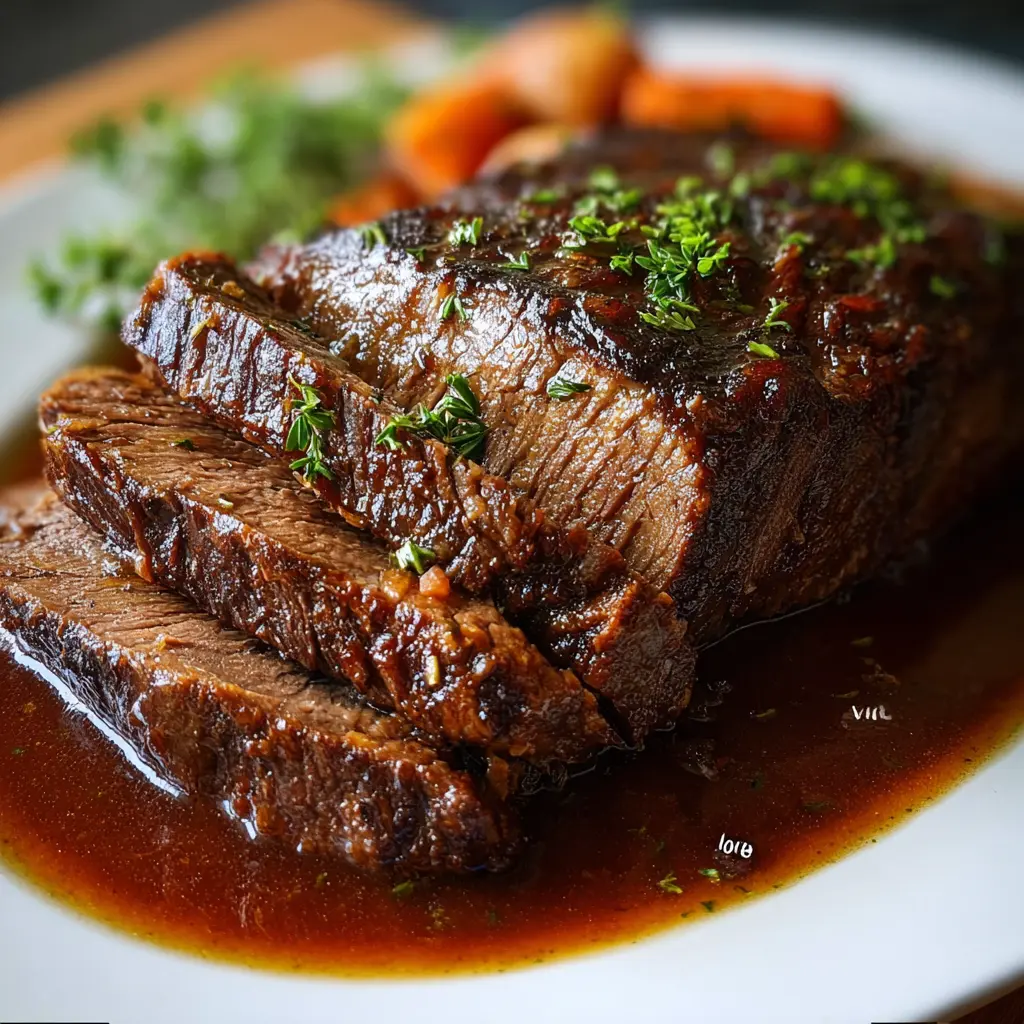
Variations on Traditional Sauerbraten
Sauerbraten with Different Cuts of Beef
When it comes to traditional Sauerbraten, one size does not fit all! While many recipes call for a chuck roast, feel free to explore other cuts of beef like brisket or even round roast. Each brings its own texture and flavor profile:
- Brisket: This cut is marbled and tender, producing a sumptuous dish that's perfect for long, slow cooking.
- Round Roast: Leaner than chuck, this option requires more attention to prevent dryness, but it can be just as flavorful if marinated well.
Experimenting with these alternatives may seem daunting, but the joy of cooking lies in discovering what you love best!
Regional Adaptations Across Germany
The beauty of Sauerbraten also lies in its regional variations. Different parts of Germany have their unique spins on this classic dish:
- Rhenish Sauerbraten: This variety often incorporates raisins and ginger snap cookies, adding a sweet-spicy kick.
- Thuringian Sauerbraten: Locals might include Caraway seeds giving it a distinct herbaceous note.
Each adaptation tells a story of its origin, showcasing the countryside's best ingredients and flavors. If you're curious about the significance of these regional delights, sites like German Foods can offer insights into these culinary traditions and their histories.
So, why not take a culinary trip through Germany by trying out these variations? Whichever route you choose, you're sure to delight in the slow-cooked warmth and rich flavors that Sauerbraten offers!
Cooking Tips and Notes for Traditional Sauerbraten
Importance of Marination Time
When it comes to making Traditional Sauerbraten, marination is key. Allowing your beef to soak in the marinade for at least three days—not just overnight—helps to tenderize the meat while infusing it with rich flavors. The vinegar and spices do their magic during this time, ensuring that every bite is savory and satisfying. If you're pressed for time, don't skimp on this step; marinating longer will yield significantly better results.
Gingersnap Cookie Magic in the Gravy
Here’s a unique twist: adding crushed gingersnap cookies to your gravy can elevate your Traditional Sauerbraten experience! This unexpected ingredient thickens the sauce while adding a hint of sweetness and warmth, balancing the dish beautifully. Don’t skip this step—it really ties the flavors together in a delightful way! Want to learn more about the wonderful uses of gingersnap cookies in savory dishes? Check out Epicurious for some inspiration.
Remember, cooking is as much about personal expression as it is about following a recipe, so feel free to tweak things as you go. Happy cooking!
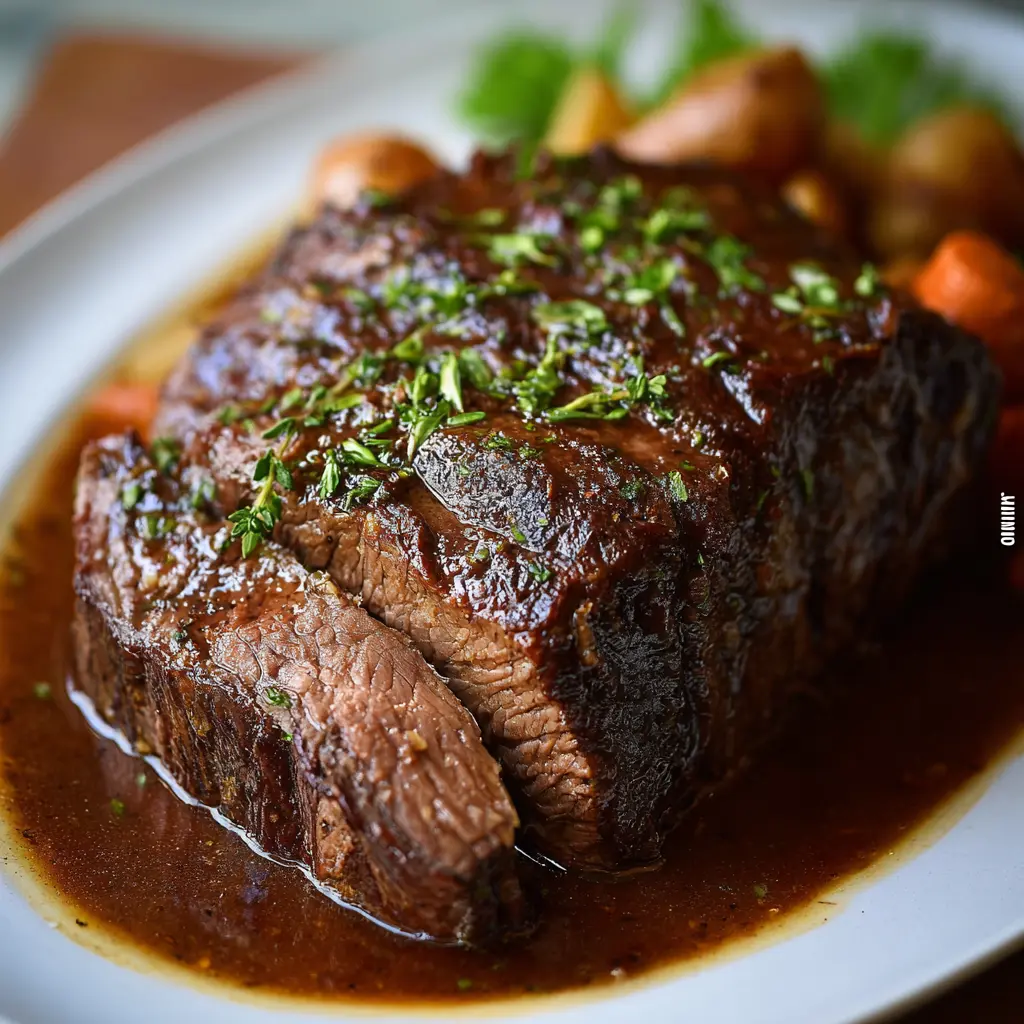
Serving suggestions for Traditional Sauerbraten
Ideal side dishes to complement the roast
When it comes to enjoying Traditional Sauerbraten, pairing it with delicious sides elevates the meal to a whole new level. Consider these classic options:
- Red Cabbage: The sweet and tangy flavor complements the rich, savory notes of the roast beautifully. Plus, it's a colorful addition to your plate!
- Potato Dumplings: These fluffy dumplings soak up the flavorful gravy perfectly, making every bite a taste sensation. Try this recipe for a homemade touch.
- Roasted Root Vegetables: Think carrots, parsnips, and potatoes, tossed with olive oil and fresh herbs. They add a delightful sweetness and earthy flavor.
Creative serving ideas for gatherings
If you're hosting a dinner party, serving Traditional Sauerbraten can be both impressive and comforting. Here are a few creative ways to present it:
- Family-style serving: Place the roast on a large platter and surround it with the sides. This encourages your guests to dig in and helps create a warm atmosphere.
- Make-your-own sandwich station: Thinly slice the roast and offer soft rolls, condiments, and toppings like Turkey Bacon or Chicken Ham. This interactive idea allows guests to customize their sandwiches, making it fun for everyone.
- Plated elegance: For a more formal setting, plate slices of the roast artfully with a drizzle of gravy and a sprinkle of fresh herbs.
With these suggestions, your Traditional Sauerbraten meal will be a hit! For more inspiration, check out this guide on complementary German sides.
Time breakdown for Traditional Sauerbraten
When planning to cook Traditional Sauerbraten, it's helpful to break down the time commitment involved.
Marination time
To truly savor the flavors, you’ll want to marinate the beef for at least 3-5 days. This might sound daunting, but it’s where the magic happens! The longer the meat marinates, the more tender and flavorful it becomes. While you're busy with everyday life, your beef is transforming into something delicious.
Cooking time
Once marinated, the cooking process for your Traditional Sauerbraten takes about 3-4 hours. This includes searing the beef and slow-roasting it. The caramelization of the vegetables and the aromatic herbs really make this step worth the wait.
Total time commitment
All together, you’re looking at a total commitment of roughly 3-5 days for marination and 3-4 hours for cooking. While this dish requires patience, the end result—a succulent, hearty meal—makes every moment worthwhile. You'll be creating a comforting dish perfect for gatherings or cozy nights in. For expert tips on marinating, check out this guide on how to properly marinate meat. Enjoy the process as much as the meal!
Nutritional Facts for Traditional Sauerbraten
Calories per Serving
When indulging in Traditional Sauerbraten, you can expect about 350-400 calories per serving. This makes it a hearty meal option, perfect for those chilly evenings when comfort food is a must. Just remember that the side dishes you choose can add additional calories, so keep that in mind when planning your meal.
Protein Content
This delicious German pot roast packs in a solid amount of protein—approximately 30 grams per serving. The use of tender beef, marinated to perfection, not only satisfies your taste buds but also supports muscle maintenance, making it an ideal choice for young professionals looking to stay healthy.
Sodium Considerations
One important note is the sodium content. A serving of Traditional Sauerbraten can contain around 750-900 mg of sodium due to the marinade and seasoning. While this can fit within daily recommended intake limits, it’s vital to be mindful, especially if you're watching your sodium levels. Opting for low-sodium broth when marinating can help keep this dish flavorful yet healthier.
For more insights on nutritional needs, you might find this Nutritional Guidelines resource helpful. Remember, enjoying your meals while taking care of your health is totally achievable!
FAQs about Traditional Sauerbraten
When diving into the world of Traditional Sauerbraten, it's common to have a few questions. Let’s demystify this German pot roast with some friendly advice!
How can I ensure my roast is tender?
To make sure your Traditional Sauerbraten turns out tender and juicy, marinating is key. Aim for at least 3 days in the marinade, as this time allows the flavors to meld and the meat to break down. Be sure to use a mix of vinegar, broth, and spices to create that signature tangy flavor. Cooking it low and slow is essential, so use a slow cooker or braising technique on low heat. For best results, check out this guide on marinating techniques.
Can I use different marinades?
Absolutely! While the classic marinade uses a combination of vinegar, water, and spices, feel free to experiment with ingredients like apple cider vinegar or even citrus juices. Each will bring a unique flavor profile to your Traditional Sauerbraten. Just remember to balance acidity with sweetness—think about adding a bit of sugar or honey to round out the flavors.
What are some common side dishes for Sauerbraten?
When it comes to pairing side dishes with your Traditional Sauerbraten, the options are delightful. Consider these favorites:
- Red cabbage: A traditional accompaniment that adds a lovely sweet and tangy contrast.
- Potato dumplings: These fluffy pillows soak up the delicious gravy.
- Spaetzle: These egg noodles are a crowd-pleaser and provide a hearty bite.
Experiment with these options to find your perfect match! If you're looking for more inspiration, check out these German side dishes.
With these FAQs covered, you’re well on your way to mastering your own Traditional Sauerbraten. Happy cooking!
Conclusion on Traditional Sauerbraten
Celebrating homemade flavors
In my journey with Traditional Sauerbraten, I’ve found it to be a true celebration of homemade flavors—rich, comforting, and utterly satisfying. The careful marination process tenderizes the beef, infusing it with deliciously tangy notes. Each bite is a testament to the love and care put into this classic dish.
Imagine serving it to friends and family, the aroma filling your kitchen as you share stories over the dinner table. It's not just a meal; it's an experience. For more resources on pairing ideas and meal prep tips, check out articles on food pairing and prepare to impress your guests with this delightful dish. Enjoy every moment as you savor the taste of Traditional Sauerbraten!
Print
Traditional Sauerbraten: A Tender, Indulgent German Pot Roast Recipe
Traditional Sauerbraten is a quintessential German pot roast that features a rich marinade, tender meat, and a delightful blend of spices, perfect for a family meal or special occasion.
- Total Time: 3 days 10 minutes
- Yield: 6 servings
Ingredients
- 3 pounds beef roast
- 1 cup red wine vinegar
- 2 cups water
- 1 large onion, chopped
- 2 cloves garlic, minced
- 2 bay leaves
- 1 tablespoon sugar
- 1 teaspoon salt
- 1 teaspoon black pepper
- ½ teaspoon ground cloves
- ½ teaspoon allspice
- 2 tablespoons vegetable oil
- 1 tablespoon flour
Instructions
- In a large bowl, combine the vinegar, water, onion, garlic, bay leaves, sugar, salt, pepper, cloves, and allspice to make the marinade.
- Place the beef roast in the marinade, cover, and refrigerate for at least 3 days, turning occasionally.
- Remove the roast from the marinade and pat dry with paper towels.
- In a large Dutch oven, heat the oil over medium-high heat and brown the roast on all sides.
- Add the reserved marinade to the pot and bring to a simmer.
- Cover the pot and place it in a preheated oven at 325°F (165°C) for about 3 hours, or until the meat is tender.
- Once done, remove the roast from the pot and let it rest before slicing.
- To make the gravy, strain the cooking liquid, then return it to the pot and thicken with flour if desired.
Notes
- For best results, marinate the beef for at least 3 days.
- Serve with red cabbage and potato dumplings for a traditional German meal.
- Prep Time: 10 minutes
- Cook Time: 3 hours
- Category: Main Course
- Method: Oven
- Cuisine: German
- Diet: None
Nutrition
- Serving Size: 1 slice
- Calories: 400
- Sugar: 1g
- Sodium: 700mg
- Fat: 20g
- Saturated Fat: 7g
- Unsaturated Fat: 10g
- Trans Fat: 0g
- Carbohydrates: 5g
- Fiber: 1g
- Protein: 50g
- Cholesterol: 120mg