Why is Prime Rib the Perfect Holiday Centerpiece?
There's something undeniably special about mastering the art of Christmas prime rib. When it comes to holiday feasting, few dishes have the ability to impress like a beautifully cooked prime rib. Towering on a platter, it not only dazzles the eyes but also promises a rich, succulent flavor that can bring a gathering together.
A Culinary Tradition
For many families, a prime rib roast is the centerpiece of their Christmas table, steeped in tradition. According to culinary experts, the key to a memorable meal is often found in the quality of the ingredients. When you source a high-quality cut of beef, you're investing in a piece that elevates the entire dinner experience. USDA Prime or Choice ribeye is particularly desirable for its marbling, which enhances both flavor and tenderness.
Plus, cooking a prime rib roast offers an opportunity for creativity. You can try different herb rubs or marinades, as seen in this cooking guide. Adding ingredients like rosemary, garlic, or even a hint of dijon mustard can personalize the dish and cater to your guests' palate.
A Feast for the Senses
Let's take a moment to talk about the aroma. As your prime rib sizzles in the oven, that intoxicating scent envelops your kitchen, making it tempting to sneak a bite before it's even served. When you finally pull that gorgeous roast from the oven, the crusty exterior gives way to a tender, pink interior that is both a delight for the eyes and the taste buds.
Glorious Sides
No roast is complete without its sides. Think of creamy horseradish sauce, buttery garlic mashed potatoes, or roasted seasonal vegetables. These accompaniments not only enhance your prime rib experience but also bring color and variety to the table.
As you prepare to master the art of Christmas prime rib, remember: it's not just about the roast. It’s the laughter, the love, and the memories shared around the table. So this season, keep it simple yet elegant, and let your roast take center stage. Happy feasting!
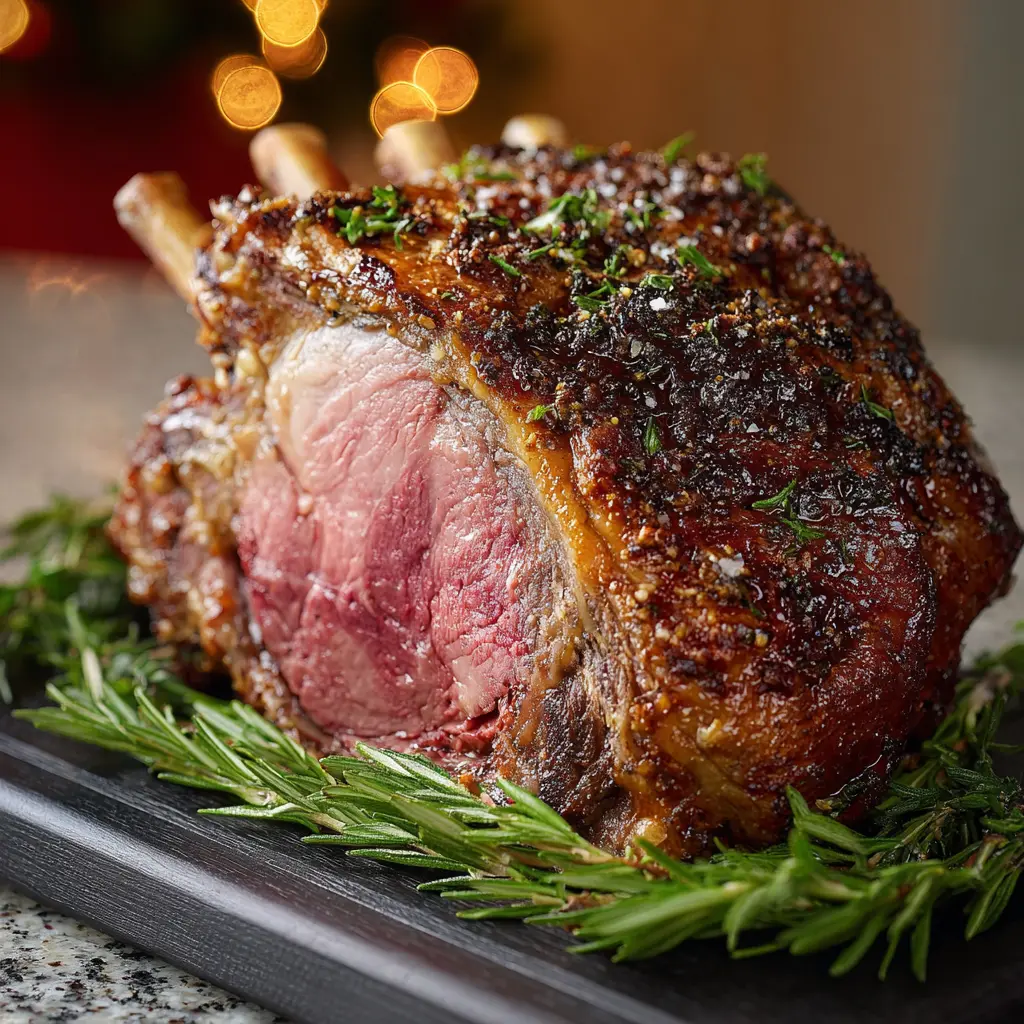
Ingredients for Christmas Prime Rib
Mastering the art of Christmas prime rib begins with selecting the best ingredients. Here’s what you need to create a tender, juicy centerpiece for your holiday feast.
Essential Ingredients
- Prime Rib Roast: Aim for a 4 to 6-pound cut, ideally bone-in for added flavor.
- Kosher Salt: Coarse salt enhances the beef's natural flavor.
- Black Pepper: Freshly ground for spice—don’t skimp on the seasoning.
- Garlic: Fresh cloves, minced, or a mix of garlic powder for a rich aroma.
- Herbs: Rosemary and thyme are perfect for that festive touch.
- Turkey Bacon: This adds a smoky flavor when wrapped around parts of the roast.
- Beef Broth: Use low-sodium broth to keep the salt level in check during cooking.
Garnishes and Sides
- Vegetables: Carrots, potatoes, and onions are classic choices to roast alongside.
- Horseradish Sauce: A tangy condiment that pairs beautifully with prime rib.
- Alternative Sauces: Consider a savory mushroom gravy for an extra layer of richness.
Having the right ingredients is half the battle. Planning your shopping list using high-quality offerings will set you up for success with this holiday showstopper. If you want to dive deeper into the world of cooking, this cooking guide will provide fantastic insights into achieving prime results.
Step-by-step Preparation of Christmas Prime Rib
Creating a mouthwatering prime rib for Christmas is not just about the meat; it's an art that can truly elevate your holiday gathering. Let’s walk through the preparation process, ensuring that mastering the art of Christmas prime rib is both straightforward and enjoyable!
Preheat the oven
Before you begin the rest of the preparation, it's crucial to preheat your oven to a robust 450°F (232°C). This initial high temperature will help to create a beautiful crust on your prime rib, sealing in all the delicious juices. While it warms up, you can focus on the star of the meal: the prime rib itself.
Preparing the prime rib
Now that your oven is heating, take the time to prepare the prime rib. If you’re starting with a whole rib roast, ensure it’s completely thawed—this can take several days in the fridge, so plan ahead! Remove the roast from its packaging and pat it dry with paper towels. A dry surface allows for better seasoning and crust formation.
Also, consider using a butcher's twine to tie the roast—this will help the meat cook evenly and retain moisture.
Crafting the herb paste
Creating a flavorful herb paste is essential for infusing your prime rib with rich, aromatic flavors. Blend together fresh rosemary, thyme, garlic, and olive oil. For an extra kick, consider adding a dash of Dijon mustard. This paste not only adds flavor but also forms a delightful crust as the roast cooks.
Seasoning the roast
Generously season your prime rib with kosher salt and freshly cracked pepper. Don't hold back! Seasoning is key to bringing out the natural flavors of the beef. Rub the herb paste all over the roast, ensuring it adheres well to all sides. Let the seasoned roast sit at room temperature for about an hour before roasting—it helps in achieving a consistent cook throughout.
Inserting the thermometer
To ensure perfect doneness, you’ll want to use a meat thermometer. Insert it into the thickest part of the roast but avoid touching the bone. This will provide you with the most accurate temperature reading. If you’re unsure about what temperature to cook it to, here’s a helpful chart to refer to for your desired doneness levels.
Starting the roasting process
Once your roast is prepared, place it in the oven at the high temperature you preheated it to. Cook for about 15-20 minutes until you achieve a golden-brown crust. This method is part of mastering the art of Christmas prime rib; that initial heat is key to locking in flavor.
Lowering the temperature and continuing to cook
After that initial roast, lower your oven temperature to 325°F (163°C). Continue cooking until the meat reaches your desired internal temperature. As a general guide, aim for 120°F (49°C) for rare, 130°F (54°C) for medium-rare, and 140°F (60°C) for medium doneness.
Adding the beef broth
For a deeper flavor, consider adding beef broth to the roasting pan about halfway through the cooking process. This will create a succulent base for pan drippings that can be used in your gravy later.
Resting the roast
After you pull the prime rib out of the oven, let it rest for at least 20-30 minutes. Resting is critical; it allows the juices to redistribute throughout the meat, ensuring every slice is fork-tender and juicy.
Carving and serving
Finally, it’s time to beautifully carve your masterpiece. Use a sharp knife to slice the roast against the grain. Aim for uniform slices for a beautiful presentation. Serve with your favorite sides and a rich gravy made from those delicious drippings. Your guests will be in awe of your culinary skills!
Armed with these steps, you'll be ready to impress your friends and family with a perfectly roasted prime rib this holiday season. Enjoy the preparation, and may your Christmas feast be filled with joy and laughter!

Variations on Christmas Prime Rib
When it comes to mastering the art of Christmas prime rib, there’s so much room for creativity! Elevating this classic dish can truly impress your guests and make the holiday feast even more memorable. Here are a couple of variations that are sure to become family favorites.
Herb-Crusted Prime Rib
Elevating your prime rib doesn’t have to be complicated. One delightful way to do it is with a delicious herb crust. Simply combine fresh herbs like rosemary, thyme, and parsley with garlic, olive oil, and a bit of Dijon mustard.
- Preparation: Rub this mixture all over the rib before roasting.
- Flavor: The herbs create a fragrant crust that locks in moisture while imparting vibrant flavors.
Not only does this look stunning, but it also adds a wonderful aromatic quality to your holiday table. For more herb combinations, check out this Herb Blends Guide.
Garlic and Rosemary Infusion
For a more traditional yet always impressive take, try infusing your prime rib with garlic and rosemary.
- Technique: Create small pockets in the meat using a sharp knife and insert slivers of garlic and sprigs of fresh rosemary.
- Benefits: This method allows the flavors to penetrate deeply into the meat, making every bite a burst of flavor.
Roasting with a simple broth made from beef stock and herbs in the roasting pan can also enhance the richness of your meal. If you’re curious about creating homemade beef stock, you can find some straightforward recipes at Beef Stock Essentials.
By exploring these variations, you'll not only elevate your cooking skills but also create a memorable dining experience for your guests this holiday season!
Cooking Tips and Notes for Christmas Prime Rib
When mastering the art of Christmas prime rib, there are a few key strategies to ensure your roast is both flavorful and tender. Here’s how to elevate your holiday meal:
-
Choosing the Right Cut: Opt for a well-marbled prime rib. The fat will render during cooking, adding moisture and taste. USDA Prime grade is ideal, but Choice can also work beautifully.
-
Seasoning: Don’t be shy! Generously rub the roast with a garlic and herb mixture. Consider fresh rosemary and thyme paired with a sprinkle of kosher salt for that perfect flavor.
-
Resting is Key: After cooking, let the prime rib rest for at least 20 minutes before slicing. This allows the juices to redistribute, making each bite oh-so-delicious.
-
Perfect Accompaniments: To round out your meal, think of classic sides like roasted vegetables or a creamy horseradish sauce. This recipe can be adapted for varying tastes; check out this article for more festive side dish ideas.
By implementing these tips, you’ll find that your Christmas prime rib will not only impress but also create lasting memories around the dinner table. Enjoy the festivities!

Serving Suggestions for Christmas Prime Rib
When it comes to mastering the art of Christmas prime rib, presentation is just as important as preparation. Here are some delightful serving suggestions to elevate your holiday feast.
Perfect Pairings: Sides that Shine
Think about classic sides that complement the rich flavors of prime rib:
- Roasted Vegetables: A mix of seasonal veggies like Brussels sprouts, carrots, and parsnips adds color and crunch.
- Creamy Mashed Potatoes: Fluffy potatoes smothered in butter and cream are a comfort food staple.
- Garlic Green Beans: Lightly sautéed with garlic, these beans provide a fresh, vibrant touch.
Sauces and Condiments to Consider
To add depth to your Christmas prime rib, consider serving it with:
- Homemade Horseradish Sauce: A zesty kick that pairs beautifully with the meat.
- Au Jus Gravy: Rich and savory, it’s the perfect drizzle over each slice.
Beverage Alternatives
Complement the meal with refreshing options like:
- Sparkling Cider: Its effervescence is festive and pairs well with beef.
- Herbal Tea: Warm, soothing options like peppermint or chamomile bring a cozy finish.
Feel free to mix and match these suggestions to craft a memorable holiday dinner, and keep in mind that the joy of serving comes not just from the meal but from sharing it with loved ones! Want to delve deeper into holiday sides? Check out this collection of festive recipes.
Time Breakdown for Christmas Prime Rib
When it comes to mastering the art of Christmas prime rib, timing is everything. Here’s a concise breakdown to help you nail this holiday centerpiece:
Preparation Time
Allow approximately 30 minutes to prep your prime rib. This includes seasoning and bringing it to room temperature, which ensures even cooking.
Cooking Time
Cook the prime rib for about 15-20 minutes per pound at 450°F, followed by 1.5 hours at 325°F. This may vary based on your preferred doneness, so a meat thermometer is your best friend.
Resting Time
Don’t skip this! Rest your prime rib for at least 30 minutes after cooking. This helps the juices redistribute, ensuring a succulent bite.
Total Time
In total, you're looking at around 2.5 to 3 hours from start to finish. With these tips at your disposal, you’re well on your way to creating a showstopping Christmas dish! For detailed cooking times based on your roast size, check this handy guide for reliable information.
Nutritional Facts for Christmas Prime Rib
When you're mastering the art of Christmas prime rib, it’s essential to know what you're savoring. Here’s a quick look at its nutritional profile to help keep your holiday feast both delightful and informed.
Calories
A serving of prime rib typically contains around 450 calories. While it’s a festive indulgence, be mindful of portion sizes to enjoy without guilt.
Protein
Prime rib is a powerhouse when it comes to protein, boasting about 40 grams in each serving. It’s an excellent choice for muscle maintenance and sits well in a balanced diet.
Sodium
With approximately 800 mg of sodium per serving, it’s vital to pair prime rib with low-sodium sides. This will enhance your meal while keeping your salt intake in check.
For more detailed nutritional insights, check out resources like NutritionData or USDA FoodData to ensure you're well-informed as you prepare for this holiday masterpiece.
FAQs about Christmas Prime Rib
What’s the best way to choose a prime rib roast?
Selecting the right prime rib roast is crucial for a successful holiday meal. Aim for a cut that has good marbling—a blend of lean meat and fat that keeps it juicy and flavorful. Look for USDA Prime grade for the best quality, or USDA Choice if you're on a budget. Bone-in roasts are often considered more flavorful, but boneless can be easier to slice and serve. Don't hesitate to ask your butcher for recommendations—it's always helpful to get expert advice!
How do I ensure my prime rib is cooked perfectly?
Mastering the art of Christmas prime rib means paying attention to a few key cooking tips. First, use a reliable meat thermometer to check the internal temperature. Aim for the following temperatures before resting:
- 120°F for rare
- 130°F for medium-rare
- 140°F for medium
Cooking at a lower temperature initially, then searing at high heat, can also enhance the crust while keeping the interior perfectly tender. Don't forget to let the roast rest for at least 20 minutes post-cooking; this allows the juices to redistribute and keeps the meat moist.
Can I prepare my prime rib ahead of time?
Absolutely! Prepping ahead can ease your holiday stress. You can season your prime rib a day in advance and leave it in the refrigerator to let the flavors penetrate. Just bring it to room temperature before cooking to ensure even cooking. If you have leftover prime rib, it can be reheated gently in the oven or served cold in sandwiches. For additional tips, check out trusted resources like the USDA's guidelines on meat preparation.
By answering these common questions, we hope to empower you to master the art of Christmas prime rib with confidence!
Conclusion on Mastering the Art of Christmas Prime Rib
In your quest for mastering the art of Christmas prime rib, remember that this dish is more than just a meal—it's an experience. Each tender slice tells a story, from selecting the perfect cut to the final presentation at your holiday gathering. Embrace the flavorful journey, and don’t hesitate to experiment with seasonings or cooking methods.
As you prepare, think about adding sides like roasted vegetables or a fresh salad to complement the rich flavors of the beef. For more ideas, check out resources on seasonal dishes or festive cooking tips to really round out your holiday feast.
This year, let your Christmas prime rib be not just a dish, but the highlight of your celebrations!
Print
Mastering the Art of Christmas Prime Rib: The Juiciest Holiday Delight
Mastering the Art of Christmas Prime Rib: A Holiday Showstopper showcases the secrets to preparing the most succulent and flavorful prime rib for your festive celebrations.
- Total Time: 2 hours 30 minutes
- Yield: 8-10 servings
Ingredients
- 1 prime rib roast (about 5-7 pounds)
- 4 cloves garlic, minced
- 2 tablespoons kosher salt
- 1 tablespoon black pepper
- 2 tablespoons fresh rosemary, chopped
- 2 tablespoons fresh thyme, chopped
- 1 tablespoon Dijon mustard
- 1 cup beef broth
Instructions
- Preheat your oven to 450°F (230°C).
- Mix garlic, salt, pepper, rosemary, thyme, and Dijon mustard in a bowl.
- Rub the mixture all over the prime rib.
- Place the prime rib in a roasting pan and pour the beef broth into the pan.
- Roast in the preheated oven for 20 minutes, then reduce the temperature to 325°F (165°C) and continue cooking until desired doneness.
- Let the roast rest for 15-20 minutes before slicing and serving.
Notes
- For a more flavorful crust, let the prime rib sit at room temperature for about an hour before cooking.
- Use a meat thermometer to achieve the perfect doneness: 130°F (54°C) for medium-rare, 140°F (60°C) for medium.
- Prep Time: 30 minutes
- Cook Time: 2 hours
- Category: Main Dish
- Method: Roasting
- Cuisine: American
- Diet: Gluten-Free
Nutrition
- Serving Size: 1 slice
- Calories: 450
- Sugar: 0g
- Sodium: 800mg
- Fat: 30g
- Saturated Fat: 13g
- Unsaturated Fat: 12g
- Trans Fat: 1g
- Carbohydrates: 0g
- Fiber: 0g
- Protein: 38g
- Cholesterol: 120mg