Introduction to Amish Pickled Beets
What are Amish Pickled Beets and why should you try them?
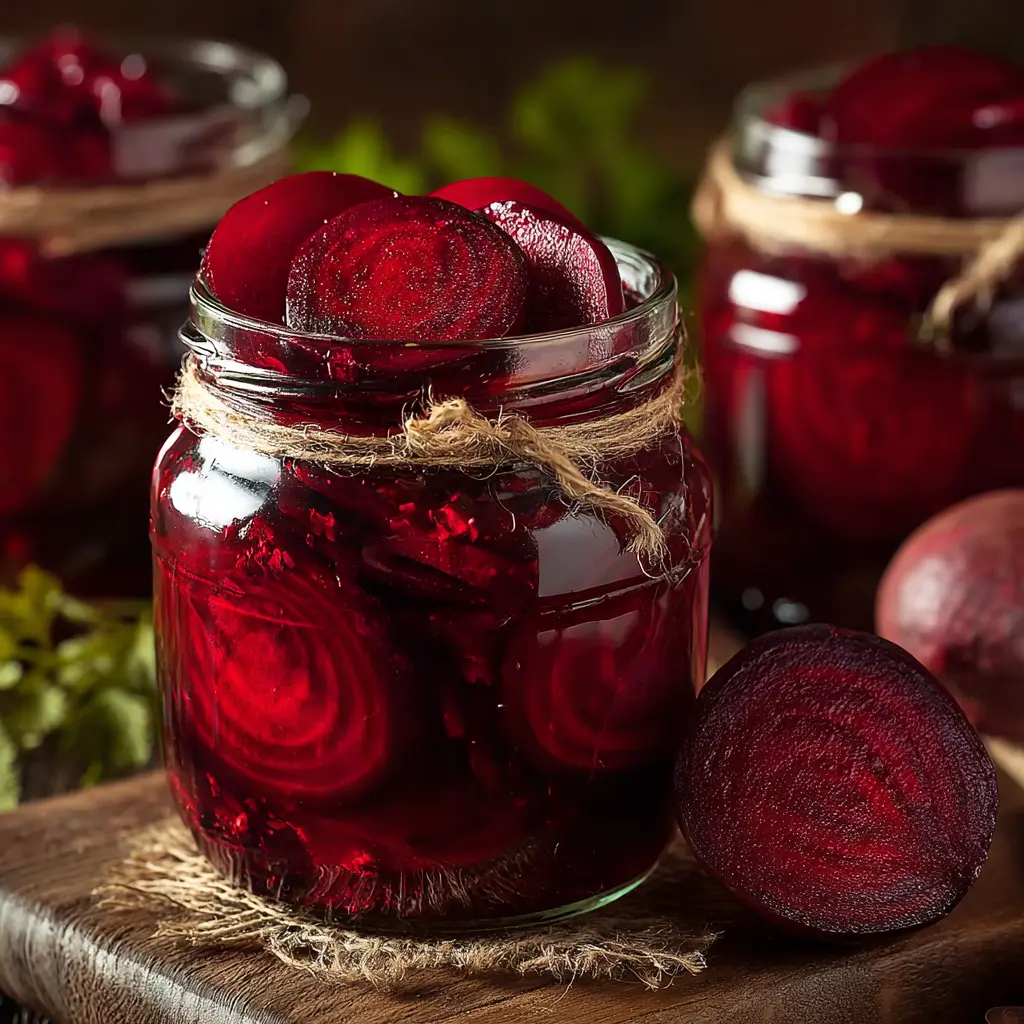
If you’ve ever ventured into the world of traditional Pennsylvania Dutch cuisine, you may have stumbled across the delightful dish known as Amish pickled beets. These vibrant, ruby-red gems are more than just a colorful addition to your plate—they're a centuries-old staple that blends simplicity with bold flavor. But what exactly makes them special?
At their core, Amish pickled beets are beets preserved in a tangy-sweet brine often made from vinegar, sugar, and spices like cloves and allspice. This combination creates a mouthwatering contrast that elevates the earthy flavor of the beets. If you love a good balance of sweet and savory, you’re in for a treat! Plus, beets are packed with nutrients, including fiber, folate, and antioxidants. According to the USDA, incorporating beets into your diet can boost your heart health while providing essential vitamins.
So why should you give these pickled delights a try? Here are some compelling reasons:
-
Versatile Use: They are perfect as a side dish, added to salads, or even served on sandwiches. Imagine a turkey bacon club enhanced with these pickled beauties—delicious, right?
-
Homemade Goodness: Making your own Amish pickled beets at home allows for customization. Want more zing? Add extra vinegar. Prefer them sweeter? Tweak the sugar. The choice is yours!
-
Easy to Make: With just a few simple ingredients, you can whip up a batch and enjoy them for weeks. If you're looking for a low-maintenance yet delicious food to brighten your meals, look no further.
Amish cooking is steeped in tradition and care; every jar of pickled beets embodies that spirit. They carry stories of community gatherings and hearty dinners, making them not just food but a nod to history. If you'd like to read more about the vibrant culinary traditions of the Amish, check out sources from The National Park Service or The Pennsylvania Dutch Heritage.
In conclusion, Amish pickled beets are not only a feast for the eyes but a tasty, nutritious addition to your kitchen. So why not roll up your sleeves and give this classic recipe a whirl? Your taste buds will thank you!
Ingredients for Amish Pickled Beets
Fresh Beets and Essential Spices
Creating delicious Amish pickled beets starts with quality ingredients. You’ll want to use fresh, tender beets. Look for ones that are firm and vibrant in color; these are not only tastier but also add a beautiful hue to your dish.
For the perfect balance of flavor, gather these essential spices:
- White vinegar: This will be the tangy backbone of your brine.
- Sugar: A touch of sweetness to contrast with the earthy beets.
- Salt: Enhances all the flavors and helps in preserving the beets.
- Whole cloves: Adds a warm, aromatic profile.
- Cinnamon sticks: Just a hint of warmth from cinnamon elevates the overall taste.
You can customize your spices further with hints of allspice or bay leaves, adding unique layers to your Amish pickled beets, making them truly your own. For more tips, check out credible sources like the USDA for canning techniques and safe practices. Want a fresh take? Pair your pickled beets with Turkish yogurt or sprinkle them on salads for a tangy twist.
Step-by-step preparation of Amish Pickled Beets
If you're looking to add a vibrant, tangy side dish to your meals, Amish pickled beets might just be the perfect option. This traditional recipe is both easy and rewarding, allowing you to enjoy the delicious combination of sweetness and tang with minimal fuss. Let’s walk through the straightforward steps to prepare these delightful pickled beets at home.
Clean and prepare the beets
The first step in crafting your Amish pickled beets is to gather your fresh beets. Look for medium-sized, firm beets for the best texture and flavor. Once you've got your beets, it’s essential to give them a good wash. Use a vegetable brush under running water to scrub off any dirt or residue. Remember, beets can be especially muddy, so take your time to ensure they are squeaky clean!
- Tip: Consider wearing gloves to avoid staining your hands as beet juice can leave quite a mark.
After washing, trim off the greens but leave about an inch of the stem. This helps to preserve the flavor and color while cooking.
Boil the beets to perfection
Next up, you’ll want to cook your beets. Place them in a large pot and cover with cold water. Bring the water to a boil, then reduce the heat to a simmer. Cooking time typically ranges from 30 to 45 minutes, depending on the size of your beets. A fork should easily pierce them when they are cooked through.
- Pro Tip: Check doneness with a skewer or fork; it should slide in without much resistance.
Cool and peel the cooked beets
Once your beets are tender, it’s time to cool them down. Drain the hot water and let the beets sit until they are cool enough to handle. Peeling is straightforward; you can simply rub the skins off with your fingers or use a paper towel for extra assistance. Once peeled, you'll be left with beautifully vibrant and smooth beets, ready for slicing.
Slice the beets for pickling
Now that your beets are peeled, it's time to slice them. Aim for uniform slices – about ¼ inch thick is ideal. This ensures they pickle evenly and look appealing in the jar. You can use a sharp knife or a mandoline if you're feeling fancy.
- Tip: If you have leftovers, consider adding them to salads or as a topping for a turkey bacon sandwich.
Prepare the pickling brine
Every good pickled beet needs a delicious brine. In a saucepan, combine equal parts apple cider vinegar and water, then add sugar, salt, and spices like cinnamon or allspice. Heat the mixture until the sugar dissolves, and let it simmer for a couple of minutes to meld the flavors. For added zest, you might try a splash of lemon juice or substituting some of the water for a natural fruit juice.
Pack the jars with sliced beets and onions
Once your brine is ready, it’s time to assemble the jars. Start with sterilized glass jars (check out this guide on how to properly sterilize jars), then layer in your beet slices and finely sliced onions. Feel free to experiment with the addition of herbs, such as dill or garlic, for an extra punch of flavor.
Pour brine and refrigerate
Finally, carefully pour the hot brine over the beets, ensuring they're completely covered. Seal the jars tightly and let them cool to room temperature before transferring them to the refrigerator. Allow the beets to pickle for at least 24 hours before digging in – this will give them time to absorb those delicious flavors.
And there you have it! A simple yet satisfying method for making Amish pickled beets that is sure to brighten up your meals. Enjoy them as a side dish, on sandwiches, or even on their own as a tangy snack!
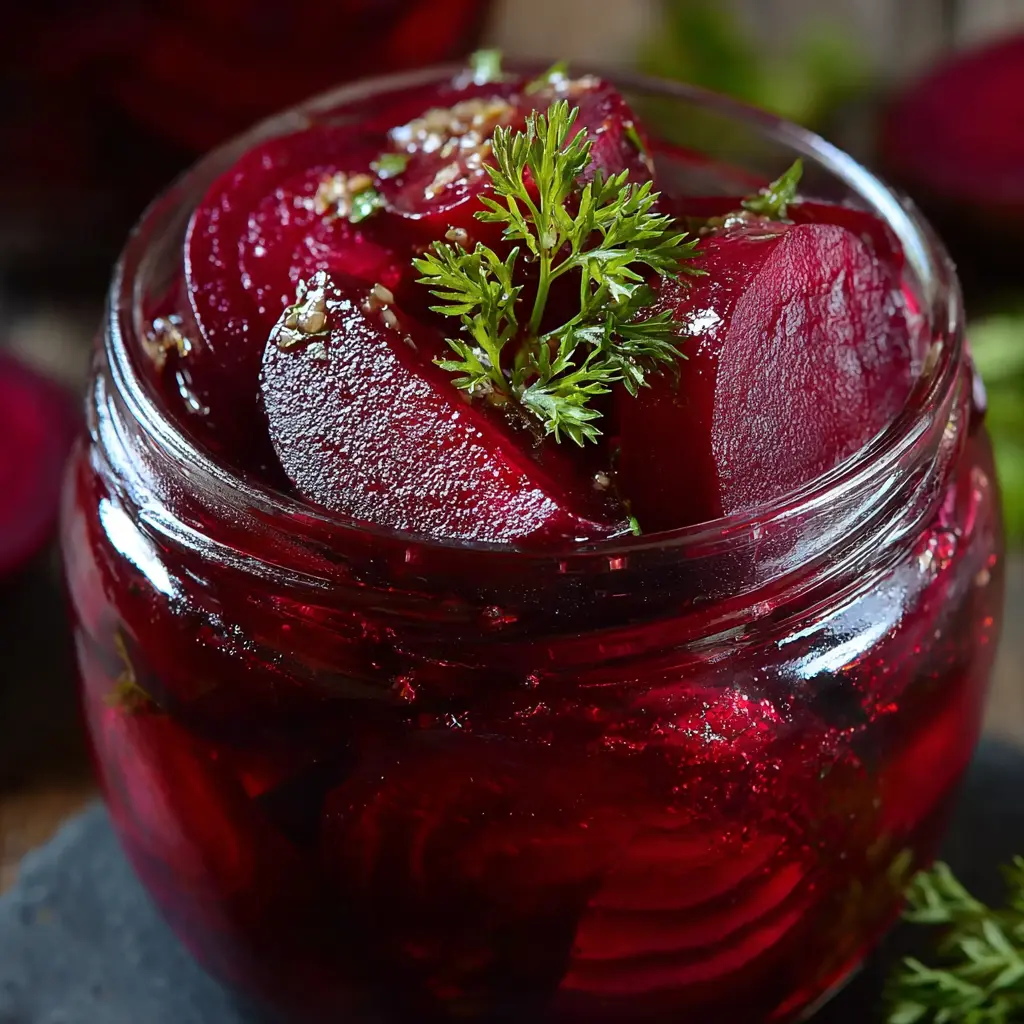
Variations of Amish Pickled Beets
When it comes to Amish pickled beets, there’s no one-size-fits-all approach. You can easily customize this classic dish to match your taste preferences. Let’s explore two delightful variations that are sure to elevate your beet-pickling game!
Sweet and Spicy Amish Pickled Beets
If you love a little heat with your sweetness, this version will hit the spot. To make sweet and spicy Amish pickled beets, incorporate ingredients like:
- Red pepper flakes or jalapeños for that fiery kick
- Brown sugar or honey to enhance the beet's natural sweetness
This combination of sweet and spicy will wake up your taste buds! The happiness of crunching down on a sweet, spicy pickle complements a variety of dishes—from turkey bacon sandwiches to hearty salads.
For inspiration, check out this Spicy Pickled Beets recipe that takes a traditional approach and gives it a modern twist.
Dilled Amish Pickled Beets
If you prefer a more herbaceous flavor, dilled Amish pickled beets are a fantastic choice. The addition of fresh dill gives these beets a refreshing twist. Here’s what you’ll need:
- Fresh dill or dill seeds for that unmistakable flavor
- A dash of garlic to elevate the taste even further
Dilled beets are perfect as a side dish or a topping for a salad. They also pair well with chicken ham, making them a versatile addition to your meals. For more details on herb-infused pickling, take a look at this Guide to Herb Pickling.
No matter which variation you choose, Amish pickled beets are a vibrant, flavorful treat that can add some pizzazz to any meal!
Cooking Tips and Notes for Amish Pickled Beets
How to Ensure a Good Pickling Process
When making Amish pickled beets, the pickling process is crucial for achieving that perfect tangy flavor. Here are some tips to ensure your beets turn out delicious every time:
- Choose fresh beets: Start with firm, vibrant beets that are free from blemishes. Fresh ingredients can significantly enhance flavor and texture.
- Properly cook beets: Boil or steam your beets until tender but still firm. Overcooking can lead to mushy results, so keep a close eye on them!
- Sterilize your jars: Cleanliness is critical in preserving foods. Sterilize your jars and lids by boiling them in water for about 10 minutes to prevent spoilage.
- Maintain acidity: The right balance of vinegar, sugar, and spices is key. Use distilled white vinegar for the best results and adjust sugar to your taste.
For in-depth guidance on pickling techniques, you might want to check out resources from the National Center for Home Food Preservation, which offers excellent tips and best practices.
With these simple guidelines, you’ll create Amish pickled beets that are both tasty and safe!
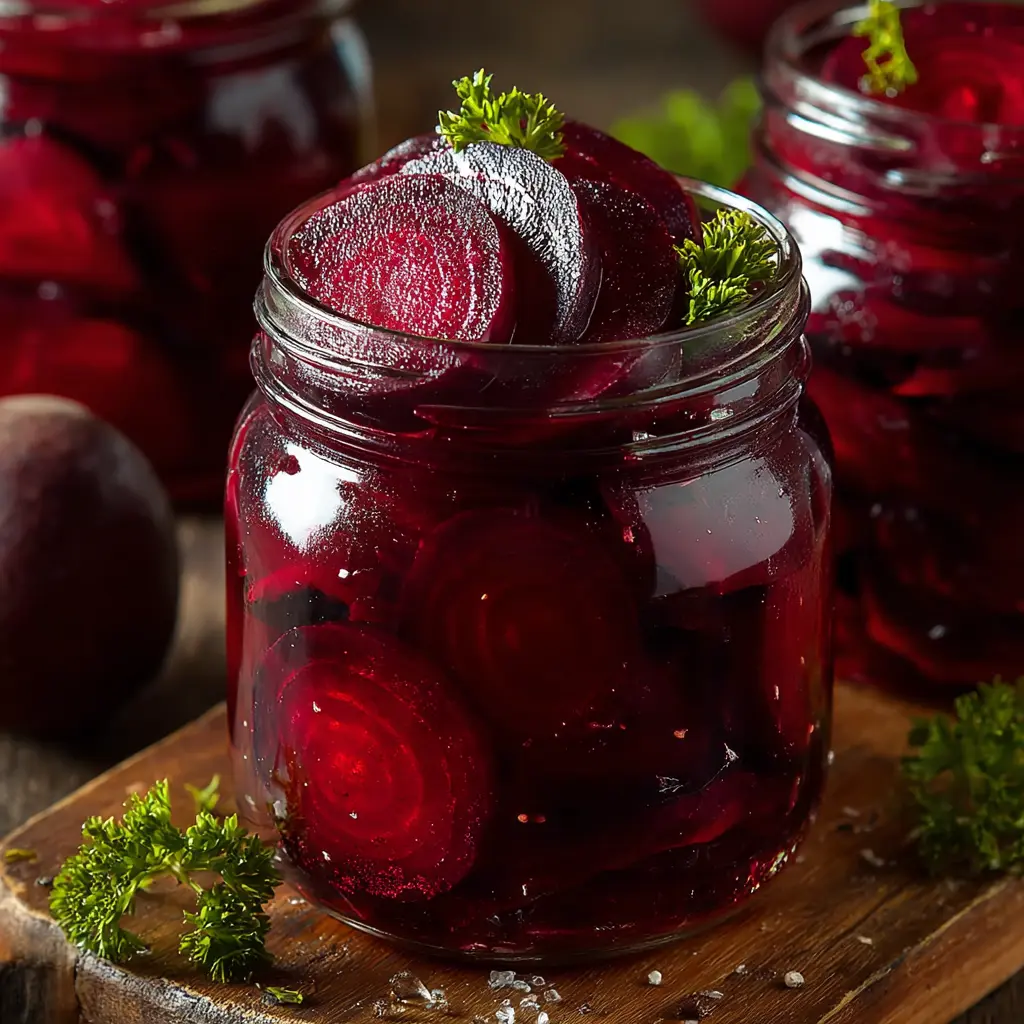
Serving Suggestions for Amish Pickled Beets
Creative Ways to Enjoy Pickled Beets
Amish pickled beets are a versatile delight that can elevate numerous dishes with their vibrant color and tangy flavor. Here are some creative ways to incorporate them into your meals:
-
Salads: Toss pickled beets into a fresh salad for a pop of color and flavor. They pair beautifully with goat cheese, arugula, and walnuts. A sprinkle of feta adds an irresistible creaminess.
-
Sandwiches and Wraps: Use sliced pickled beets as a zesty topping for turkey bacon or chicken ham sandwiches. Their acidity cuts through the richness, making each bite a delightful experience.
-
Charcuterie Boards: Include pickled beets on your charcuterie spread. They’re a fantastic contrast to creamy cheeses and salty meats, providing a balanced snacking option that's sure to impress guests.
-
Tacos: Add some sliced pickled beets to your tacos for an unexpected twist. They complement seasoned beef beautifully and add a crunchy texture.
These suggestions bring out the true essence of Amish pickled beets, making them a fun and flavorful addition to any meal. For more ideas, check out The Beet's article on the health benefits of beets.
Time breakdown for Amish Pickled Beets
Preparation time
Making Amish pickled beets is easier than you might think! Start by setting aside about 15-20 minutes for preparation. This includes washing, peeling, and slicing the beets. You’ll want everything ready before moving on to cooking.
Cooking time
Once you’ve got your beets prepped, the cooking process takes approximately 30-40 minutes. This time allows the beets to soften and the flavors to infuse beautifully, transforming them into the tangy, vibrant treat we love.
Total time
In total, expect to spend around 50-60 minutes from start to finish. This means you can enjoy your homemade Amish pickled beets in no time! For an even deeper dive into pickling tips, visit National Center for Home Food Preservation for expert advice. It's a rewarding process that offers delicious results, perfect for sandwiches or as a side dish!
Nutritional Facts for Amish Pickled Beets
Calories
When savoring Amish pickled beets, you can be pleased to know they come with a modest calorie count. A typical serving contains around 50 calories, making these beets a fantastic, guilt-free addition to your meals.
Carbohydrates
In terms of carbohydrates, a serving of Amish pickled beets provides approximately 13 grams. These carbs primarily consist of natural sugars and fiber, offering a delightful sweetness without overwhelming your diet.
Vitamins and Minerals
Packed with nutrients, Amish pickled beets are a great source of essential vitamins and minerals, including:
- Folate: Vital for cell production and metabolism, particularly important for young professionals.
- Vitamin C: Boosts your immune system while giving your skin a healthy glow.
- Potassium: Important for heart health and muscle function.
- Iron: Crucial for energy levels and preventing fatigue.
For more on the health benefits of beets, check out this article from Healthline. Making them part of your diet not only adds flavor but also enhances your overall wellbeing!
FAQs about Amish Pickled Beets
How long will pickled beets last in the fridge?
Once you whip up a batch of Amish pickled beets, you'll likely want to know how long these delicious treats will stay fresh. Generally, homemade pickled beets can last in the refrigerator for up to one month when stored in an airtight container. The vinegar in the pickling solution acts as a preservative, helping to keep your beets tasty and crunchy. For best quality, always check for any signs of spoilage before indulging, such as off-smells or mold.
Can I use canned beets instead of fresh?
Absolutely! While fresh beets provide a more vibrant flavor and texture, using canned beets can save you time without sacrificing taste too much. When using canned beets, simply rinse them under cold water to remove excess salt, then follow your pickling recipe as usual. Just keep in mind that the texture may differ slightly, as canned beets are already cooked.
What dishes go well with Amish Pickled Beets?
Serving your Amish pickled beets? They pair beautifully with various dishes, adding a pop of color and sweet-tangy flavor. Here are some crowd-pleasers:
- Salads: Toss them in salads to elevate textures and flavors.
- Turkey Bacon and Chicken Ham Sandwiches: Use them as a zesty condiment.
- Beef Dishes: Serve as a refreshing side with your favorite beef recipes.
For more inspiration on mixing and matching, check out resources like The Spruce Eats or AllRecipes to explore tasty combinations!
Conclusion on Amish Pickled Beets
Embracing Homemade Goodness
Making Amish pickled beets is more than just a cooking project; it’s about embracing the delightful charm of homemade goodness. The vibrant color and perfect blend of sweet and tangy flavors not only elevate your meals but also offer a heartwarming connection to tradition.
Imagine serving these stunning pickled beets alongside a hearty dish of turkey bacon or chicken ham at your next gathering. They're not just a side; they're a conversation starter! Homemade Amish pickled beets allow you to showcase your culinary skills while creating fond memories with friends and family.
For more inspirations on home canning, check out resources from Ball® Canning and discover how easy preserving can be! Dive into the world of delightful, homemade Amish pickled beets and discover how they can become a staple in your kitchen.
Print
Amish Pickled Beets: Easy, Flavorful Recipe for Homemade Goodness
Learn how to make delicious Amish Pickled Beets with this simple recipe that captures the essence of homemade goodness.
- Total Time: 1 hour 30 minutes
- Yield: 4 jars
Ingredients
- 2 pounds fresh beets
- 1 cup apple cider vinegar
- 1 cup water
- 1 cup sugar
- 1 teaspoon salt
- 1 teaspoon whole cloves
- 1 teaspoon allspice berries
- 1 cinnamon stick
Instructions
- Wash and trim the beets, then boil them until tender. Peel and slice the beets.
- In a saucepan, combine apple cider vinegar, water, sugar, and salt. Bring to a boil.
- Add the cloves, allspice, and cinnamon stick to the mixture.
- Place the sliced beets in sterilized jars, then pour the vinegar mixture over the beets.
- Seal the jars and allow them to cool before refrigerating.
- Let the beets pickle for at least 24 hours before enjoying.
Notes
- For extra flavor, consider adding some sliced onions to the jars.
- Beets can also be served warm or cold as a side dish.
- Prep Time: 30 minutes
- Cook Time: 1 hour
- Category: Preserves
- Method: Pickling
- Cuisine: American
- Diet: Vegetarian
Nutrition
- Serving Size: 1 jar
- Calories: 150
- Sugar: 30g
- Sodium: 200mg
- Fat: 0g
- Saturated Fat: 0g
- Unsaturated Fat: 0g
- Trans Fat: 0g
- Carbohydrates: 36g
- Fiber: 2g
- Protein: 3g
- Cholesterol: 0mg