Introduction to Authentic Cacio e Pepe
If you haven’t experienced the joy of authentic cacio e pepe, you’re truly missing out! This Italian classic is not just pasta; it’s a celebration of simplicity and flavor that resonates particularly well with young professionals. Picture this: after a long day at work, whipping up a meal that requires minimal ingredients yet delivers rich, comforting flavors. That’s a game changer, and cacio e pepe is precisely that dish.
Why Cacio e Pepe is a Must-Try for Young Professionals
For those of us navigating the bustling world of career and deadlines, cooking can often feel like another chore on the ever-growing to-do list. Enter authentic cacio e pepe. This dish embodies the principle of getting the most out of less, making it perfect for those busy weeknights when you crave something delicious yet effortless.
Here’s why you should give it a shot:
- Simplicity: With just three main ingredients—pecorino romano cheese, black pepper, and spaghetti—this dish is a powerhouse of flavor that requires minimal prep time. Who doesn’t love a quick meal that still feels gourmet?
- Capacity for Customization: While the traditional recipe shines in its pure form, it’s adaptable. Want to add a little turkey bacon or chicken ham? Go for it! This versatility is invaluable for young professionals looking to mix and match ingredients.
- Healthier Alternative: Cacio e pepe can be a lightweight yet filling option, especially if you choose whole-wheat or gluten-free pasta. It's a simple way to enjoy a bowl of comfort without excessive guilt.
According to experts, a well-prepared cacio e pepe can elevate your cooking game and even impress guests when hosting. If you're still skeptical, check out reputable sources like Food & Wine for insights on Italian dining and cooking techniques.
By embracing this iconic dish, you not only save time but also bring a taste of Italy into your kitchen. So why wait? Prepare your taste buds for a delightful experience!
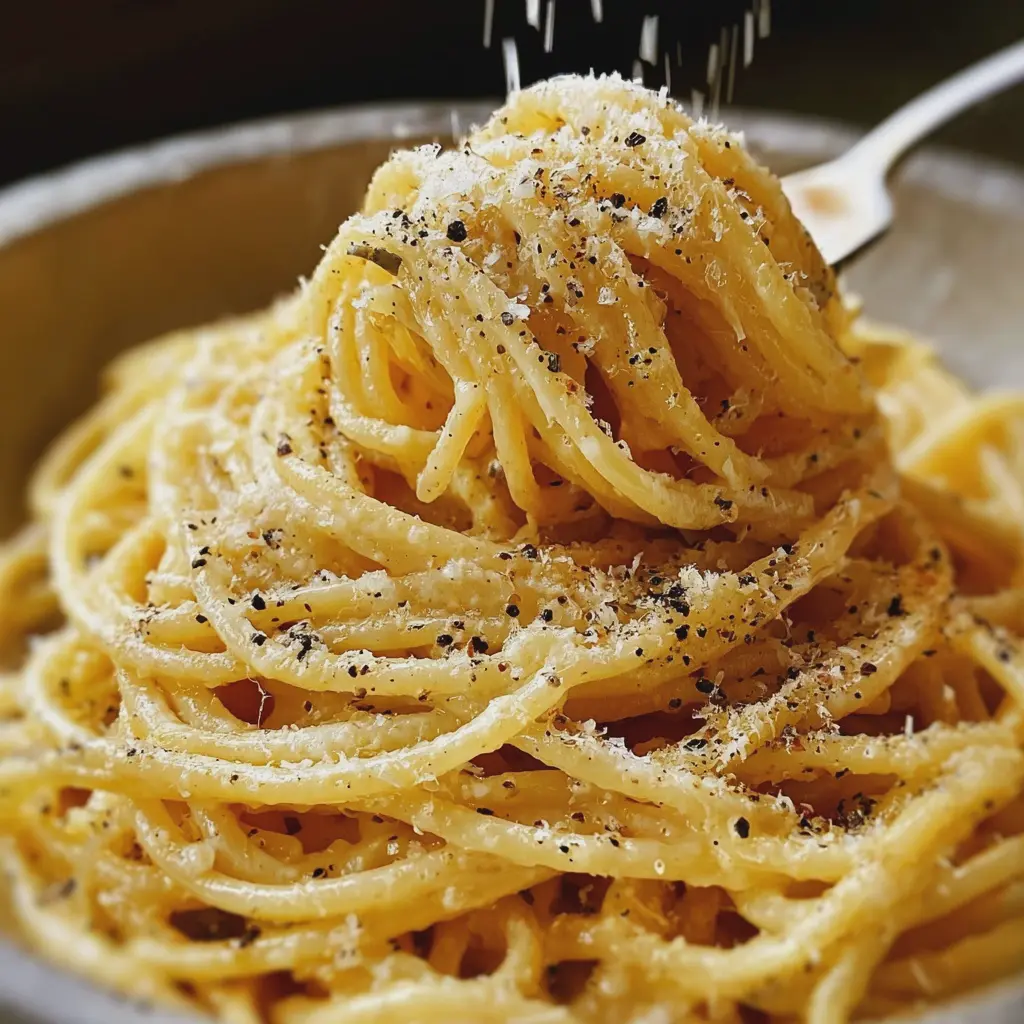
Ingredients for Authentic Cacio e Pepe
Creating authentic cacio e pepe is all about simplicity and high-quality ingredients. This classic Roman dish needs just a handful of components, each playing a significant role in delivering that quintessential flavor profile. Here’s what you’ll need to whip up this delectable meal:
- Pasta: Ideally, you’ll want to pick spaghetti or tonnarelli. The way these shapes hold onto the sauce is unbeatable.
- Pecorino Romano Cheese: A sharp, salty Italian cheese that’s a must-have. Grate it finely to ensure it melts seamlessly.
- Freshly Ground Black Pepper: The spice that gives cacio e pepe its unique kick. Don’t skimp on this; freshly ground makes a world of difference.
- Salt: Essential for flavoring the pasta water.
- Olive Oil: A dash will enrich the dish, adding a layer of richness.
Curious about flavor pairings? Try serving this dish alongside a light salad or some roasted vegetables to balance the taste profile. You can find more on proper cheese selection at American Cheese Society or delve into pasta types at Pasta Grannies for inspiration. Trust me, these few ingredients, when treated with care, create a symphony of flavors that speak volumes!
Preparing Authentic Cacio e Pepe
Cacio e Pepe is one of those dishes that warms your soul and ignites your taste buds with its simplicity. The name literally translates to "cheese and pepper," and it's as straightforward as that! But the secret to an authentic Cacio e Pepe lies not just in the ingredients but also in the preparation. Let’s dive into each step to help you create this delightful dish at home.
Boil your pasta
The first step in crafting your authentic Cacio e Pepe is to boil your pasta. For this dish, traditionalists often recommend using spaghetti or tonnarelli, but any long pasta will work. Just remember to follow these tips:
- Salt your water generously: Think of it as seasoning your pasta from the inside out. Use about 1-2 tablespoons of salt for every gallon of water.
- Cook until al dente: Check the pasta a minute or two before the package instructions suggest. You'll want a little bite to it since it will cook further when you combine it with the sauce.
Once your pasta is cooked to perfection, remember to reserve about a cup of that starchy pasta water before draining. This water will be crucial for creating the creamy sauce later.
Toasting the black pepper
Now, let's elevate the flavor profile with freshly ground black pepper. This step is often overlooked, but toasting the pepper enhances its aroma and gives your dish that little extra kick.
- Use whole black peppercorns: Start with about 1-2 teaspoons. Place them in a dry skillet over medium heat.
- Toast until fragrant: This usually takes just a couple of minutes. Shake the pan occasionally to avoid burning.
Once toasted, let them cool slightly before grinding them in a pepper mill or mortar and pestle. The fresher the pepper, the more flavorful your authentic Cacio e Pepe will be!
Creating the Pecorino cream
Now for the pièce de résistance—the cheese! Pecorino Romano is the traditional choice here, offering a sharp, tangy flavor that defines this dish.
- Grate your cheese: Aim for about a cup of finely grated Pecorino Romano. Using a microplane makes this job easy.
- Combine with pasta water: In a bowl, add the grated cheese, and gradually pour in about a ½ cup of the reserved pasta water. Stir vigorously until you achieve a creamy consistency.
The warmth from the pasta water melts the cheese into a delicious cream without clumping. This is your sauce!
Mixing the pasta and sauce
With everything prepared, it's time for the fun part: mixing it all together!
- Combine: Add the cooked pasta to your pecorino cream in a large mixing bowl or directly in the skillet.
- Toss well: Here’s where that starchy pasta water comes into play. Keep adding small amounts until you reach your desired creaminess. The sauce should coat the pasta beautifully without being runny.
Remember, practice makes perfect! Over time, you’ll develop a knack for achieving that ideal texture.
Final touches and serving
Your authentic Cacio e Pepe is almost ready! Let’s finish it off with some final touches.
- Season to taste: Add salt if necessary, but remember that Pecorino can be salty on its own.
- Serve immediately: Garnish with an extra dusting of black pepper and a sprinkle of Pecorino Romano on top. Serve it hot for the best experience!
Pairing your dish with a crisp arugula salad can balance out the richness and add a fresh touch. Looking for more variations? You might enjoy exploring recipes on culinary sites like Serious Eats or Bon Appétit, where you can discover unique twists on this classic dish.
Now, with a little patience and attention to detail, you’ll be savoring a plate of authentic Cacio e Pepe. Enjoy the comforting flavors and simplicity of this remarkable dish; it’s perfect for a cozy night in or impressing friends at a dinner party. Happy cooking!
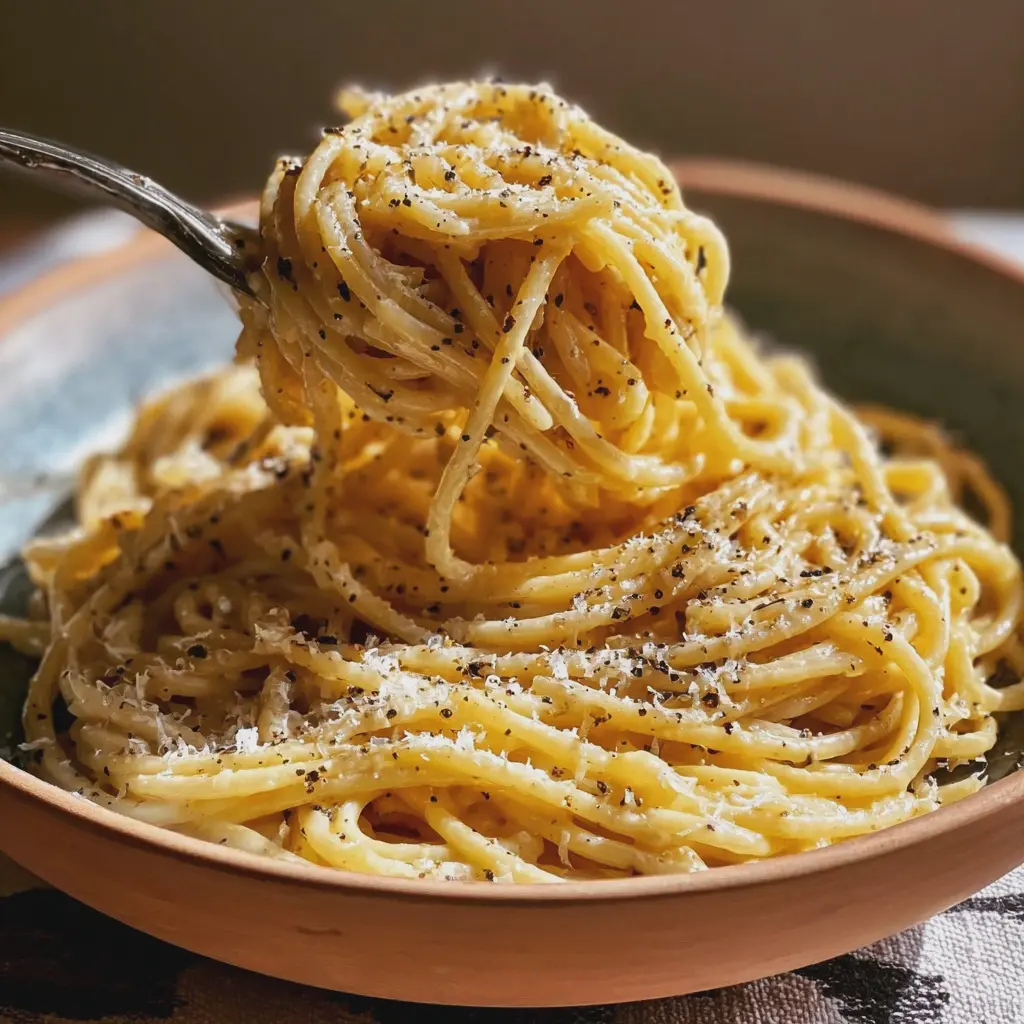
Variations on Authentic Cacio e Pepe
Cacio e Pepe with a Twist
If you love authentic cacio e pepe, why not give it a twist? This classic Italian dish offers a fantastic base for creativity. Try adding some Turkey Bacon for a smoky flavor that complements the cheese and pepper. Simply sauté the bacon until crispy and mix it in right as the pasta finishes cooking. It provides a delightful crunch and packs a protein punch, making your meal even heartier.
Another fun option is incorporating a splash of lemon juice or some freshly grated zest. This adds a zesty brightness that elevates the dish. If you’re feeling adventurous, drizzling a bit of truffle oil over the top can lend an air of luxury without breaking the bank.
Seasonal Vegetable Additions
Incorporating seasonal vegetables not only makes your meal more nutritious but also visually appealing. Imagine vibrant asparagus or roasted zucchini tossed in. You can sauté these veggies lightly before adding them to your pasta, allowing them to meld beautifully with the creamy cheese sauce.
Consider this: the nutrients found in green vegetables can significantly boost your energy levels throughout the day! You could also add some sautéed mushrooms for an umami kick.
When you explore these variations on cacio e pepe, you're not just making a dinner; you're crafting a unique culinary experience. Feel free to experiment, and who knows? You might just discover your new favorite version! For some inspiration, check out this article on seasonal cooking for tips on ingredient selection.
Cooking Tips and Notes for Authentic Cacio e Pepe
Creating authentic cacio e pepe can be simpler than it seems, but a few key tips can make a world of difference.
Use Quality Ingredients
- Pasta: Opt for high-quality spaghetti or tonnarelli. Fresh pasta is great but dried pasta offers a better texture.
- Cheese: Pecorino Romano is a must; it's the heart of this dish. Consider grating your own for a fresher flavor.
Perfecting the Sauce
Did you know that timing is crucial? When you mix the pasta with the cheese, ensure your pasta is still hot. The heat helps melt the cheese, creating that lovely creamy texture. You can also gradually add starchy pasta water to achieve your desired consistency.
Season Well
While the dish is simple, don’t skimp on seasoning. Freshly cracked black pepper is essential for that signature bite. This is where the flavor truly shines.
Experiment with Variations
Feeling adventurous? You could try adding some cooked Turkey Bacon or sautéed Chicken Ham for a twist. They pair wonderfully with the salty cheese.
For more insights on pasta preparation techniques, check out this pasta cooking guide.
With a bit of practice and these tips, you’ll be whipping up authentic cacio e pepe like a pro in no time!
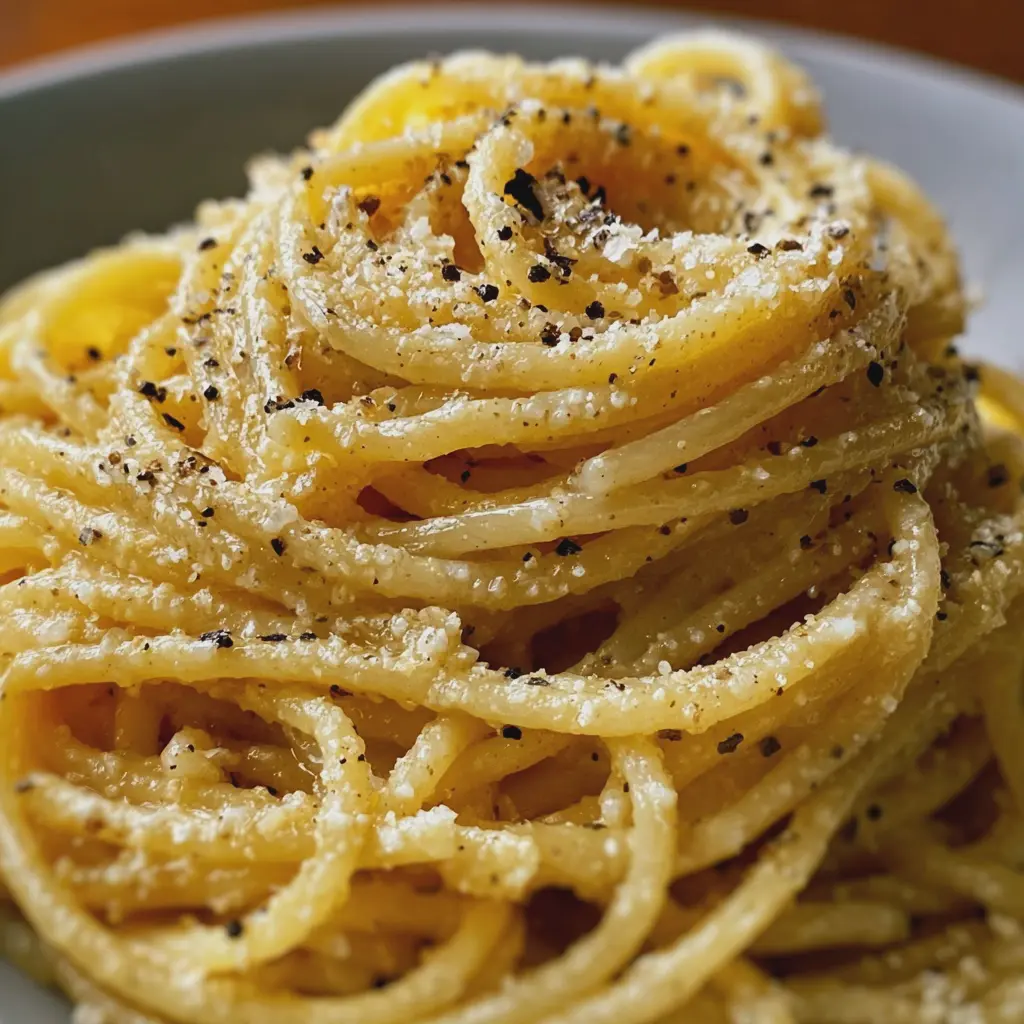
Serving Suggestions for Authentic Cacio e Pepe
When it comes to enjoying your authentic cacio e pepe, the right serving suggestions can enhance your experience and make your dish shine even brighter. Here are some practical ideas to elevate your meal:
Pairing with Protein
While cacio e pepe is delightful on its own, consider adding a side of Turkey Bacon or Chicken Ham for a protein boost. These can provide a savory contrast and complement the creamy cheese and pepper flavors beautifully.
Sides That Shine
Think about what to serve alongside your cacio e pepe. A light, fresh arugula salad tossed with a zesty lemon vinaigrette can balance the dish's richness perfectly. Alternatively, roasted seasonal vegetables can add both color and nutrition to your meal.
Crafting the Perfect Beverage
Since wine is off the table today, try a sparkling water infused with a slice of lemon or a splash of herbal iced tea. The effervescence and acidity can cut through the richness of the pasta, creating a refreshing combination.
For more ideas on pairing pasta dishes, check out Pasta Evangelists for expert tips and inspiration.
With these suggestions, you'll enjoy your authentic cacio e pepe like a true Italian, making every bite a delightful experience. Happy eating!
Time breakdown for Authentic Cacio e Pepe
Preparation time
Getting your ingredients ready for authentic cacio e pepe is a breeze! You’ll only need about 10 minutes to gather and measure everything. This includes grating the Pecorino Romano cheese and boiling the pasta water.
Cooking time
The cooking process is where the magic happens. It will take you roughly 15 minutes to cook the pasta and make the creamy sauce. Keep an eye on the clock—perfect timing is everything here!
Total time
In total, you’ll spend around 25 minutes creating your delicious authentic cacio e pepe. That’s right—just under half an hour for a restaurant-quality dish from the comfort of your kitchen! For tips on perfecting your pasta, check out this guide on pasta cooking techniques. Enjoy every bite of your culinary creation!
Nutritional facts for Authentic Cacio e Pepe
When indulging in the creamy, cheesy delight of authentic Cacio e Pepe, it's good to know what you're consuming. Below, we'll break down the nutritional components of this classic dish, keeping you informed while you savor each bite.
Calories
A typical serving of authentic Cacio e Pepe contains around 400–500 calories. This can vary based on portion sizes and specific ingredients used, like the type of pasta and cheese.
Protein
In terms of protein, you can expect about 15–20 grams per serving. The combination of pasta and cheese contributes to this amount, giving you a satisfying meal that keeps you full longer. The use of quality Pecorino Romano cheese not only adds flavor but also elevates the protein content!
Sodium
Be mindful of the sodium content, which can range from 600 to 800 milligrams. This primarily comes from the cheese, so if you're watching your salt intake, consider reducing the amount for a healthier twist on this recipe.
For more details on nutritional values, the USDA's FoodData Central is a great resource to explore further. And remember, enjoying this comforting dish in moderation is key to balancing indulgence with a healthy lifestyle.
FAQs about Authentic Cacio e Pepe
Can I use other types of cheese?
While nothing quite compares to using Pecorino Romano for an authentic cacio e pepe experience, you can experiment with other cheeses if necessary. Consider options like Parmesan or a combination of Pecorino and Grana Padano if you’re looking for a milder flavor. Just remember, the distinctive sharpness of Pecorino Romano is what really defines this dish, so the results may vary.
What pasta works best for Cacio e Pepe?
For an authentic cacio e pepe, the classic choice is tonnarelli or spaghetti. These long, thin shapes hold the sauce beautifully, allowing each bite to be rich and flavorful. If you’re feeling adventurous, try using fresh pasta, which often provides a delightful texture. Whichever pasta you select, ensure it’s cooked al dente for the best results!
How can I adjust for dietary restrictions?
If you're considering dietary restrictions, there are still many ways to enjoy your cacio e pepe. Here are a few modifications:
- Gluten-free: Use gluten-free pasta made from rice or quinoa.
- Dairy-free: Substitute with a nut-based cheese or nutritional yeast for a similar savory flavor.
- Vegan: Combine the dairy-free option with a bit of olive oil to add creaminess without animal products.
Cacio e pepe is a dish built on simplicity, making it quite forgiving of substitutions. So, feel free to adjust according to your needs! For more tips on modifying traditional Italian dishes, check resources like America's Test Kitchen or Serious Eats.
By understanding these frequently asked questions, you’ll be well on your way to mastering your own authentic cacio e pepe at home!
Conclusion on Authentic Cacio e Pepe
When it comes to authentic cacio e pepe, simplicity is the secret ingredient. This classic Roman dish captivates with its blend of just a few quality components: pasta, Pecorino Romano cheese, and freshly cracked black pepper. By mastering the technique of creating a creamy sauce with starchy pasta water, anyone can elevate their home cooking.
Emphasize quality over quantity. Using artisanal ingredients can make a world of difference. So next time you’re in the kitchen, remember to keep it simple and focus on the essentials.
For more culinary inspiration, check out resources like Bon Appétit or Serious Eats for ideas to complement your meal. Happy cooking!
Print
Authentic Cacio e Pepe: Easy Italian Comfort Food to Savor
Discover the creamy, cheesy goodness of Authentic Cacio e Pepe, a classic Italian dish that's simple to prepare and full of flavor.
- Total Time: 25 minutes
- Yield: 4 servings
Ingredients
- 400 grams spaghetti
- 150 grams Pecorino Romano cheese
- 1 teaspoon freshly ground black pepper
- Salt to taste
Instructions
- Boil a large pot of salted water and cook the spaghetti according to package instructions until al dente.
- While the pasta is cooking, finely grate the Pecorino Romano cheese.
- In a mixing bowl, combine the cheese and black pepper.
- Once the pasta is done, reserve some pasta water and drain the rest.
- Add hot pasta to the cheese mixture and toss, adding reserved pasta water as needed to create a creamy sauce.
- Serve immediately with additional cheese and pepper on top.
Notes
- Use high-quality cheese for the best flavor.
- Adjust the amount of black pepper based on your spice preference.
- Prep Time: 10 minutes
- Cook Time: 15 minutes
- Category: Pasta
- Method: Stovetop
- Cuisine: Italian
- Diet: Vegetarian
Nutrition
- Serving Size: 1 plate
- Calories: 500
- Sugar: 2 grams
- Sodium: 400 milligrams
- Fat: 20 grams
- Saturated Fat: 10 grams
- Unsaturated Fat: 8 grams
- Trans Fat: 0 grams
- Carbohydrates: 70 grams
- Fiber: 3 grams
- Protein: 20 grams
- Cholesterol: 30 milligrams