Introduction to Perfect Greek Salad
When life gets busy, it can be challenging for young professionals to find a meal that is not only quick to prepare but also healthy and satisfying. Enter the perfect Greek salad! This delightful dish checks all the boxes, effortlessly combining fresh ingredients that can elevate your midweek meals. It’s packed with nutrients, incredibly versatile, and bursting with flavors that transport you straight to the Mediterranean.
Why Greek Salad is the Ideal Homemade Meal for Young Professionals
Imagine coming home after a long day at work, feeling a bit drained. The thought of spending an hour in the kitchen might seem overwhelming. However, with a perfect Greek salad, you can whip up a delicious meal in just about 10 minutes. All you need are some fresh vegetables like cucumbers, tomatoes, bell peppers, and red onions, along with a handful of olives and feta cheese to add that tantalizing touch.
Here are just a few reasons why this salad is the ultimate choice:
-
Nutrient-Dense: Research suggests that incorporating a variety of colorful vegetables in your meals can enhance your overall health (check out studies from the USDA for more information). The fresh ingredients in a Greek salad offer vitamins, minerals, and antioxidants, making it a great addition to your diet.
-
Customizable: Want to add some protein? Toss in some grilled chicken ham or even some turkey bacon for an extra punch! You can also adjust the components to your taste. Feeling adventurous? Try adding quinoa or chickpeas for a different texture.
-
Meal Prep-Friendly: The perfect Greek salad can be easily prepared in bulk. Make a larger batch at the beginning of the week, and it can stay fresh in your fridge for up to three days, perfect for those busy evenings when cooking from scratch just isn't feasible.
-
Cost-Effective: With relatively cheap ingredients, this dish is easy on the wallet. Plus, many of the items will be staples in your pantry, making it even easier to throw together without an extra grocery run.
So, if you are seeking a quick, healthy, and delicious meal that aligns with your active lifestyle, the perfect Greek salad is calling your name!
Ingredients for Perfect Greek Salad
Fresh and Crunchy Vegetables
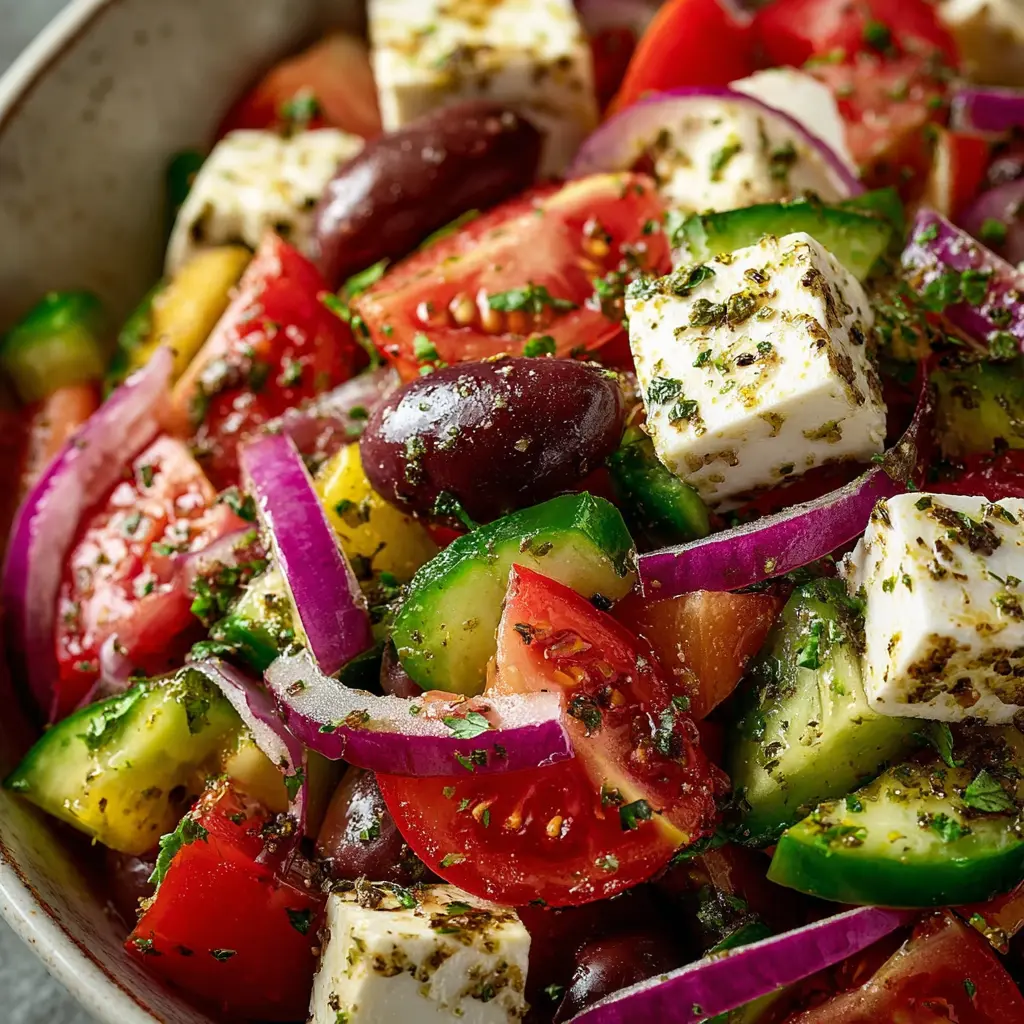
The heart of a perfect Greek salad is undeniably its fresh, crunchy vegetables. Opt for ripe, juicy tomatoes for that vibrant color and flavor. Cucumbers should be crisp; choose an English cucumber for a milder taste. Don’t forget about bell peppers—red or yellow add a sweet touch, while red onions provide a bit of zing. Consider incorporating fresh greens like arugula for an extra nutrient boost.
Tasty Additions
To make your salad truly shine, add in some delightful extras. Feta cheese is a must, bringing that creamy richness we're all craving. You can also toss in Turkey bacon or Chicken ham for a smoky flavor. Kalamata olives offer a briny kick that balances the dish beautifully.
Flavorful Dressings
The dressing is where the magic happens! A simple mix of extra virgin olive oil, fresh lemon juice, salt, and a dash of oregano will elevate your Greek salad to perfection. For a twist, try adding just a hint of Dijon mustard or honey for extra zing.
For more tips and tricks, check out this guide on Mediterranean ingredients. They truly emphasize balance and freshness in every bite!
Preparing Perfect Greek Salad
Creating a perfect Greek salad is more than just a recipe; it’s a celebration of fresh ingredients, vibrant colors, and Mediterranean flavors. Whether you're entertaining guests or preparing a quick lunch, this salad is a delightful choice. Let’s dive into the preparation steps!
Gather and Prepare Your Ingredients
First things first: you’ll want to gather your ingredients. Freshness is key to achieving that authentic Greek salad flavor. Here's what you need:
- Tomatoes (ripe, preferably heirloom)
- Cucumber (English or Persian for a sweeter taste)
- Red onion (thinly sliced)
- Bell pepper (any color you prefer)
- Feta cheese (crumbled or in large pieces)
- Kalamata olives (for that briny depth)
- Extra virgin olive oil
- Red wine vinegar (or lemon juice for a zesty twist)
- Oregano (dried or fresh)
- Salt and pepper (to taste)
Make sure to wash your vegetables thoroughly. I personally love to let the cucumbers sit in a bowl of cold water for about ten minutes to remain crisp. Feel free to explore various options for your olives by checking out this helpful guide on olive varieties.
Combine the Salad Base
Now that your ingredients are prepped, it’s time to create the base of your perfect Greek salad. Start by chopping your tomatoes and cucumber into a medium dice, making them bite-sized and easy to eat. Next, slice the red onion thinly, as its sharpness can overpower the other flavors if you cut it too thick.
For the bell pepper, you can either slice it or dice it, depending on your texture preference. Combine all these chopped veggies in a large bowl and toss them gently.
Add Feta and Olives
This step is where the magic happens. Scatter the crumbled feta cheese over your salad; it’s the star of the dish! Use good-quality feta — the creamier, the better. Likewise, add your Kalamata olives. They not only bring a savory flavor but also add beautiful contrast to the vivid colors of your salad. If you want, you can even consider a mix of feta and another cheese, such as goat cheese, for a unique twist.
Whisk the Dressing
What’s a salad without a good dressing? In a small bowl, whisk together:
- ¼ cup extra virgin olive oil
- 2 tablespoons red wine vinegar (or lemon juice)
- 1 teaspoon dried oregano
- A pinch of salt and pepper to taste
Feel free to adjust the quantities based on your taste preferences. For example, if you love extra zing, throw in a bit more vinegar or lemon juice. This dressing not only enhances the salad’s flavors but also balances it beautifully.
Toss and Serve Your Salad
Finally, it’s time for the best part—bringing everything together! Pour your dressing over the salad and toss it gently. Make sure everything is coated evenly, but be careful not to break up the feta too much.
Let it sit for a few minutes to allow the flavors to meld. When you serve it, don’t forget that it’s perfectly acceptable to keep components separate if preferred; some people enjoy assembling it on their plates.
Enjoy your perfect Greek salad as a fresh side dish or a light meal on its own. Trust me, there’s something incredibly satisfying about creating a dish that looks good, tastes great, and is packed with nutrition. Now go and impress your friends with your culinary skills!
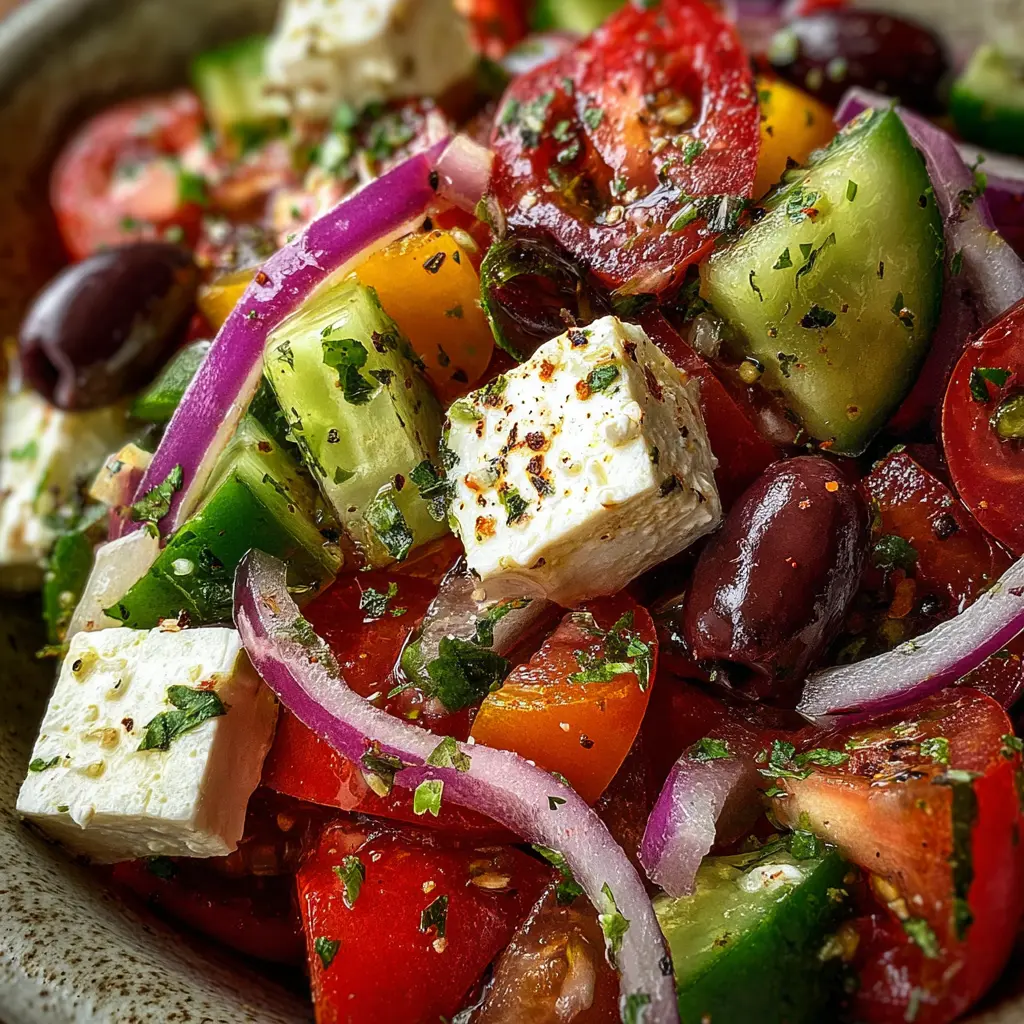
Variations on Perfect Greek Salad
When it comes to the perfect Greek salad, there are countless ways to customize and elevate the classic dish. You can easily make it your own by adding protein, grains, or a Mediterranean twist that tantalizes your taste buds. Here are a few variations to consider:
Add Protein: Grilled Chicken or Chickpeas
Want to make your Greek salad heartier? Adding protein is a game changer! Grilled chicken is a popular choice, as it infuses a smoky flavor and complements the other fresh ingredients beautifully. For a plant-based option, roasted chickpeas provide a satisfying crunch while packing in fiber and protein. Not only does this make your perfect Greek salad more filling, but it also boosts its nutritional value.
Make it a Grain Bowl: Quinoa or Farro
If you’re on the hunt for a more substantial meal, turn your Greek salad into a grain bowl! Quinoa or farro are excellent additions that add texture and a nutty flavor. Quinoa is a superfood with all nine essential amino acids, while farro offers a delightful chewiness. Mix your grains into the salad, and you’ve got a dish that’s not only vibrant but also incredibly nutritious.
Create a Mediterranean Twist: Add Avocado or Artichokes
For a unique spin, why not try incorporating avocado or artichokes into your perfect Greek salad? Avocado provides a rich creaminess that balances the acidity of the tomatoes and olives, while artichokes add a touch of tanginess and extra fiber. Both options echo Mediterranean culinary traditions and can make your salad feel more gourmet.
These variations not only enliven your classic dish but also allow for a personalized touch that keeps meal-time exciting. Explore different ingredients, and don’t be afraid to innovate! Discover more about the health benefits of these ingredients here. Happy salad-making!
Cooking Notes for Perfect Greek Salad
Tips for Choosing Fresh Ingredients
When crafting the perfect Greek salad, the stars of the show need to be fresh and vibrant. Look for tomatoes that are firm yet slightly squishy, signaling ripeness. Opt for cucumbers with a crisp skin, ideally unwaxed, so they retain that good crunch. Your feta cheese should be crumbly but creamy. If you can find authentic Greek feta, it's worth the splurge!
Don’t forget: Fresh herbs like dill or parsley can elevate the dish. Check out local farmers' markets for seasonal produce; it’s an excellent way to ensure quality and support local farmers.
Ensuring Balanced Flavors
A well-balanced Greek salad isn't just about the ingredients; it's about the harmony of flavors. Use a good quality olive oil—extra virgin, if possible. A squeeze of fresh lemon juice can brighten and enhance the dish, cutting through the richness of the feta.
Also, be mindful of the salt content; a sprinkle of sea salt can amplify the flavors, but too much can overwhelm. Taste as you go, and don’t be afraid to experiment. For some inspiration on ingredient pairings, check out this guide on Mediterranean flavors.
Remember, a perfect Greek salad celebrates simplicity, so let every ingredient shine!
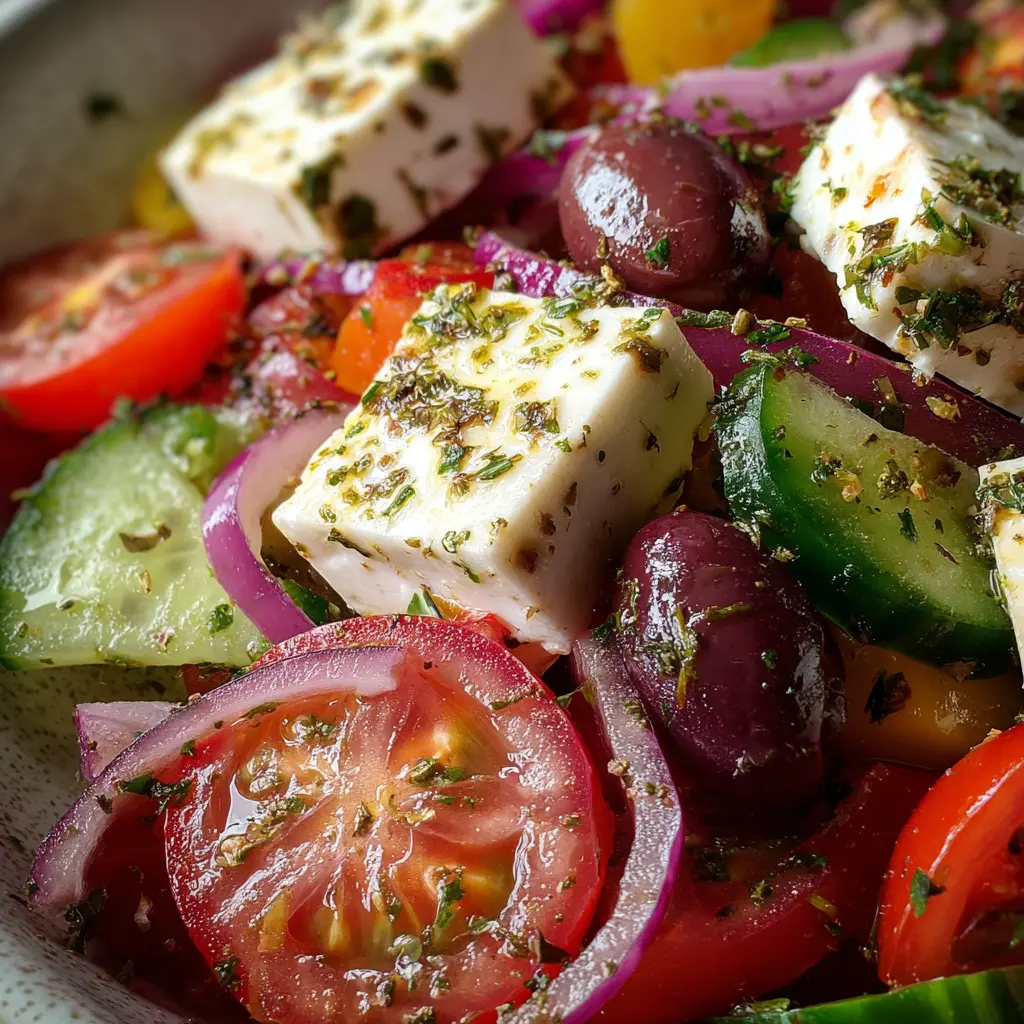
Serving Suggestions for Perfect Greek Salad
As a Side Dish for Grilling
When summer rolls around, nothing complements a barbecue quite like a perfect Greek salad. Its vibrant colors and refreshing flavors enhance grilled delights, whether you're serving up burgers, chicken, or even veggie skewers. The crisp cucumbers and juicy tomatoes provide a satisfying crunch, while the tangy feta and olives add a burst of flavor that balances out rich meats.
To make it even more enticing, consider adding grilled halloumi or a sprinkle of fresh herbs like dill or oregano. This way, you can turn your salad into a feast for the senses. Pair it with a chilled sparkling water or herbal iced tea for a refreshing meal perfect for warm evenings. If you're interested in exploring more grilling ideas, check out this grilling guide for some inspiration.
Enjoy It as a Light Lunch
On days when you want to keep it light yet nutritious, your perfect Greek salad is just the ticket. Packed with protein from chicken ham or turkey bacon, it becomes a filling yet healthy option that won't weigh you down. Simply top your salad with those proteins, perhaps some quinoa or chickpeas, to make it even heartier.
Feeling adventurous? Try adding a scoop of tzatziki or a drizzle of lemon vinaigrette for an extra zing. Don't forget to accompany your lunch with a refreshing beverage, such as mint lemonade or a fruit-infused water, for a delightful boost. This simple and adaptable dish not only satisfies but also brings a taste of the Mediterranean right to your table.
Tips for Making the Perfect Greek Salad
The Importance of Ingredient Quality
When it comes to crafting the perfect Greek salad, ingredient quality truly matters. Fresh, ripe tomatoes burst with flavor, while crunchy cucumbers add the much-needed texture. Always opt for high-quality olives and feta cheese, as these key components elevate the dish. Consider visiting your local farmer's market for in-season produce; the difference is amazing! According to a study by the USDA, fresher ingredients retain higher levels of nutrients, making your salad not just delicious but also nutritious.
Preparing Ahead of Time
One of the best aspects of a perfect Greek salad is that it can be prepped ahead of time! Chop your veggies a few hours before serving and let the flavors meld together in the fridge. Just remember to keep your dressing separate until you're ready to eat to maintain that crispness. This way, you can throw it together in a jiffy during your busy weeknight dinners!
Dressing Adjustments for Personal Taste
Don’t forget that your salad’s dressing is your chance to shine! Start with a basic olive oil, lemon juice, and oregano mix, but feel free to tweak it according to your preferences. Have you ever thought about adding a splash of balsamic vinegar for sweetness? Or maybe a hint of mustard for a zesty kick? Experimenting with your dressing will help you create that perfect Greek salad tailored just for you.
Time Breakdown for Perfect Greek Salad
Preparation Time
Creating a perfect Greek salad is all about quick and fresh ingredients. You can whip it up in just 15 minutes, making it an ideal meal for busy evenings or casual gatherings. Simply gather your ingredients—ripe tomatoes, crisp cucumbers, olives, red onion, and feta cheese—and chop them into bite-sized pieces. Make sure you have some quality olive oil and fresh herbs on hand for that authentic taste!
Total Time
In total, you're looking at about 20 minutes until you can enjoy your delicious Greek salad. This includes the brief time it might take to gather everything and the light assembly method. For young professionals, it’s a fantastic go-to option that keeps your weeknight meals exciting without taking too much time. Plus, feel free to check out this guide on quick meal prep for even more ideas on how to make your cooking efficient!
Nutritional Facts for Perfect Greek Salad
When you're crafting the perfect Greek salad, understanding its nutritional facts can help you enjoy every bite without worry.
Calories
A typical serving of Greek salad contains around 150 calories. This makes it a fantastic option for anyone seeking a refreshing, light meal without compromising flavor.
Protein
With its rich assortment of ingredients, including feta cheese and olives, this salad provides about 5 grams of protein per serving. While it’s not a high-protein dish, it pairs beautifully with grilled chicken or turkey bacon for an added boost.
Sodium
One thing to watch is sodium. While feta and olives can be salty, a standard serving holds roughly 500 mg of sodium. For a healthier twist, consider using low-sodium feta or rinsing your olives to reduce the overall intake.
Curious for more insights? Check out the USDA website for detailed nutritional information on fresh vegetables. Enjoy creating your perfect Greek salad!
FAQs about Perfect Greek Salad
What is the origin of Greek salad?
The perfect Greek salad has its roots in Greece, where it's a staple of the Mediterranean diet. Traditionally known as "Horiatiki," this vibrant dish combines fresh vegetables, olives, and feta cheese, all of which are prevalent in Greek cuisine. You might find that a classic Greek salad varies slightly from region to region, often featuring local ingredients. Many historians trace its origins back to the peasant meals of rural Greece, where fresh produce was plentiful and inexpensive. It's fascinating to think that this dish has evolved while keeping its core components intact, allowing people worldwide to enjoy its flavors.
Can I make Greek salad in advance?
Absolutely! One of the great things about a perfect Greek salad is that it can be prepared ahead of time. If you’re meal prepping or hosting a gathering, you can chop up the vegetables and store them separately from the dressing to maintain freshness. Just toss everything together when you’re ready to serve. To keep the salad crisp, consider storing firmer ingredients, like cucumbers and bell peppers, separately from softer ingredients, like tomatoes.
How can I make my Greek salad more filling?
Want to turn your perfect Greek salad into a heartier meal? Here are a few ideas to amp it up:
- Add Protein: Incorporate grilled chicken, turkey bacon, or even chickpeas for a plant-based option.
- Include Whole Grains: Quinoa or farro can add texture and make the salad more substantial.
- Top with Nuts: A sprinkle of almonds or walnuts can provide a satisfying crunch.
Feel free to explore other variations and make this dish your own! For more information about Greek cuisine, check out resources like The Mediterranean Diet.
Celebrate Wholesome Cooking with Your Perfect Greek Salad
In conclusion, crafting your perfect Greek salad is a delightful journey into wholesome cooking that celebrates fresh ingredients. This dish not only tantalizes your taste buds but also nourishes your body, making it an excellent addition to your meal repertoire. As you mix vibrant vegetables, aromatic herbs, and a drizzle of olive oil, take a moment to reflect on the joy of simple, healthy cooking.
Whether serving it as a refreshing side or a standalone meal, a perfect Greek salad is versatile and adaptable to suit your preferences. For those curious about variations, consider this guide on healthy ingredient swaps. Remember, each bite is rich in vitamins and flavors!
Explore more about Mediterranean cuisine on platforms like Mediterranean Living to further inspire your culinary adventures. Enjoy every fresh, colorful bite!
Print
Perfect Greek Salad: Easy, Fresh, and Full of Flavor for Everyone
A refreshing and flavorful Greek salad that is easy to prepare and perfect for any occasion.
- Total Time: 10 minutes
- Yield: 4 servings
Ingredients
- 3 cups chopped romaine lettuce
- 1 cup cherry tomatoes, halved
- 1 cup cucumber, diced
- ½ cup red onion, thinly sliced
- 1 cup Kalamata olives
- 1 cup feta cheese, crumbled
- ¼ cup extra virgin olive oil
- 2 tablespoons red wine vinegar
- 1 teaspoon dried oregano
- salt and pepper to taste
Instructions
- In a large bowl, combine the romaine lettuce, cherry tomatoes, cucumber, red onion, Kalamata olives, and feta cheese.
- In a small bowl, whisk together the olive oil, red wine vinegar, dried oregano, salt, and pepper.
- Pour the dressing over the salad and toss gently to combine.
- Serve immediately or chill in the refrigerator for 30 minutes before serving.
Notes
- Feel free to add or substitute ingredients based on your preference.
- Pair with grilled chicken for a complete meal.
- Prep Time: 10 minutes
- Category: Salad
- Method: No-cook
- Cuisine: Greek
- Diet: Vegetarian
Nutrition
- Serving Size: 1 cup
- Calories: 200
- Sugar: 2g
- Sodium: 650mg
- Fat: 18g
- Saturated Fat: 5g
- Unsaturated Fat: 11g
- Trans Fat: 0g
- Carbohydrates: 10g
- Fiber: 3g
- Protein: 5g
- Cholesterol: 30mg