Introduction to Spiral Beef Roast
Gathering with friends and family is always an opportunity to showcase your culinary prowess, and a spiral beef roast can be the star of your feast. Whether it's a holiday dinner, a weekend get-together, or a casual barbecue, this dish not only feeds a crowd but does so with flair.
Why choose spiral beef roast for your next gathering?
Choosing a spiral beef roast brings numerous benefits that elevate your dining experience:
-
Effortless preparation: A spiral roast is typically pre-seasoned and sliced, allowing for minimal prep time. Just season it, pop it in the oven, and relax while your home fills with a mouthwatering aroma. Even beginner cooks will find this recipe manageable!
-
Flavorful and juicy: The unique spiral cut allows for even cooking and maximum flavor retention. According to research from the American Beef Council, the marbling in beef contributes significantly to its taste and tenderness, making every bite a savory delight.
-
Elegant presentation: It’s visually striking when arranged on a platter. Guests will admire its beautiful layers, making your meal not just tasty but also Instagram-worthy! Consider garnishing it with herbs or colorful roasted vegetables for extra flair.
-
Versatile pairing options: A spiral beef roast pairs well with a variety of sides. From creamy mashed potatoes to fresh salads, you can mix and match to create a balanced and enjoyable meal. Why not try it with a tangy barbecue sauce or a zesty chimichurri?
-
Convenient serving: The slices come apart easily, allowing guests to take just the amount they desire. This reduces food waste, which aligns with sustainable dining practices—a topic on the rise among younger generations.
For tips on selecting the perfect beef cut, consider checking out articles from reputable sources like the National Cattlemen's Beef Association or Beef Love. These platforms offer insights that could guide your choices and enhance your culinary ventures.
By choosing a spiral beef roast, you not only simplify your cooking experience but also create a memorable dish that your guests will rave about long after the last slice is served. So, are you ready to wow your dinner guests? Let’s get cooking!
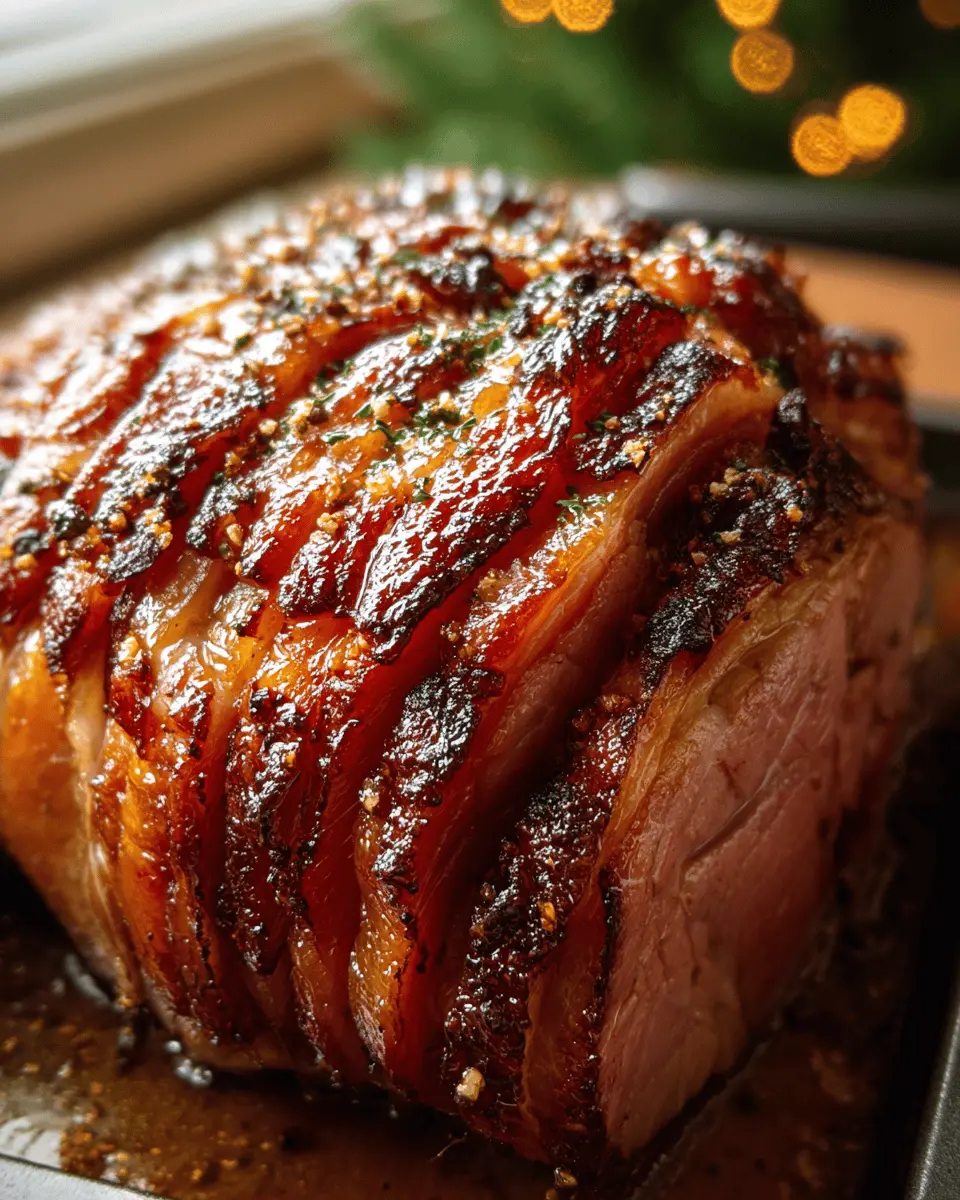
Ingredients for Spiral Beef Roast
Creating a delicious spiral beef roast begins with selecting the right ingredients. You want flavors that complement each other and tantalize your taste buds. Here’s a friendly breakdown of what you'll need:
Essential Meats
- Beef Roast: Aim for about 3-4 pounds of high-quality beef roast. A tender cut, such as ribeye, is ideal for that melt-in-your-mouth experience.
- Turkey Bacon: This adds a flavorful twist. Opt for low-sodium options if you're monitoring salt intake.
- Chicken Ham: This will give your roast an extra layer of taste. Look for hormone-free and high-quality varieties for the best results.
Flavorful Additions
- Garlic: Fresh cloves or powder can elevate your dish with aromatic goodness.
- Herbs: Rosemary and thyme work wonders together. They’re not just for decoration; they bring life to your roast.
Simple Marinade
- Olive Oil: A drizzle of extra virgin olive oil adds richness.
- Low-sodium Beef Stock: Use this to keep your beef moist and flavorful without overwhelming the palate.
By choosing top-notch ingredients, you're setting the stage for a spiral beef roast that will impress. If you want to dive deeper, check out sources like BeefItsWhat'sForDinner.com for tips on selecting the perfect beef. Make sure to have everything ready so you can enjoy the cooking process. Happy roasting!
Preparing Spiral Beef Roast
Making a spiral beef roast is a culinary adventure, blending technique with flavor that’s sure to impress friends and family alike. Let’s go through the steps to ensure your roast is tender, juicy, and bursting with flavors.
Butterfly Your Beef Roast
The first thing you'll need to do is prepare your beef. Butterflying the roast will help it cook evenly and make it easier to season. Start by placing the roast on a cutting board with the fat side facing up.
- Using a sharp knife, make a deep cut along the length of the roast, but don’t cut all the way through.
- Open the roast like a book, laying it flat. This creates a spiral beef roast that's ready for seasoning.
If you're uncertain about the butterflying technique, consider checking out a step-by-step guide on various culinary sites like Serious Eats for visual instructions.
Seasoning and Tying the Roast
Once your roast is butterflied, it’s time to bring in the flavors. Generously season the inside of your roast with a mix of salt, pepper, garlic powder, and any of your favorite dried herbs.
- Spread a layer of your chosen ingredients evenly to enhance the taste.
- Layer in strips of Turkey Bacon and Chicken Ham if you wish for added moisture and flavor—think of them as additional flavor layers!
After seasoning, roll your roast back up tightly and tie it with kitchen twine. This helps maintain the roast's form while cooking, ensuring even heat distribution. A well-tied roast also makes for easier slicing later on.
Making the Delicious Glaze
A good glaze can elevate your spiral beef roast to new heights. A combination of savory and sweet can create the perfect topping. Here’s a simple recipe for a flavorful glaze:
- Ingredients:
- ½ cup of balsamic vinegar
- ¼ cup of brown sugar
- 2 tablespoons of Dijon mustard
Combine these ingredients in a small saucepan over medium heat. Bring it to a simmer, whisking until the sugar dissolves and the mixture thickens slightly. Brush this glaze on the roast 20 minutes before it finishes cooking for that shiny, delectable finish.
Roasting to Perfection
Preheat your oven to 325°F (163°C). Place your tied roast in a roasting pan and cook it uncovered.
- Cooking Time: Typically, you can roast for about 20 minutes per pound, but always aim for an internal temperature of 135°F (57°C) for medium-rare, or 145°F (63°C) for medium.
- Don’t forget to flip your roast halfway through for even cooking!
Using a meat thermometer can help ensure you don’t overcook it and dry it out. For more on safe cooking temperatures, refer to resources like USDA Guidelines.
Glazing and Final Touches
In the last 20 minutes of roasting, generously brush your homemade glaze over the roast. This will caramelize beautifully and create that restaurant-quality finish we all crave.
Once cooked, let your spiral beef roast rest for at least 15-20 minutes before slicing. This resting period allows the juices to redistribute, giving you a juicy, tender cut. When it's time to serve, remove the twine and slice into portions.
And there you have it! With these steps, your spiral beef roast is bound to wow your guests. It’s not just a dish; it’s a centerpiece for gatherings, perfect for any occasion. Now, why not invite some friends over for a delicious meal and show off your culinary skills? Happy cooking!
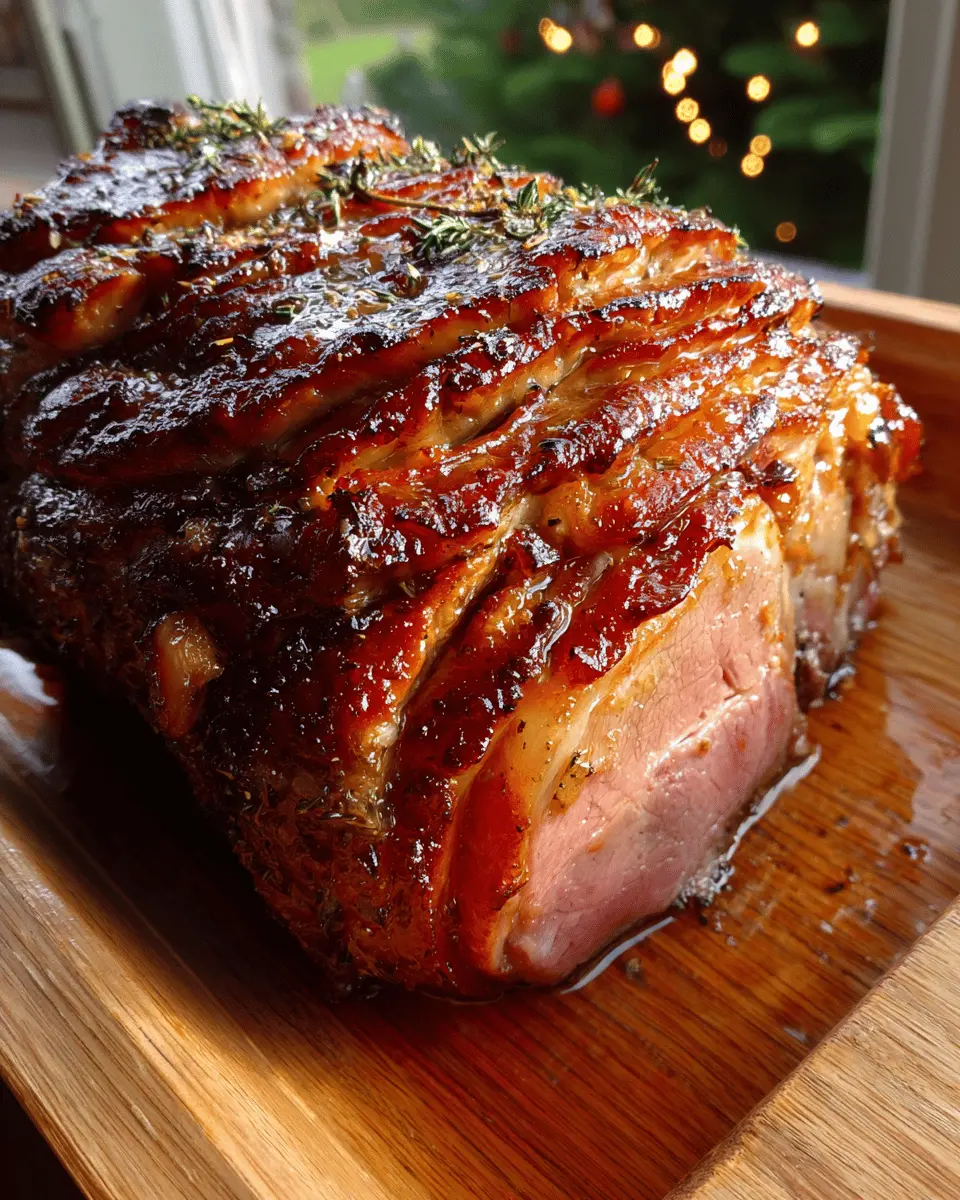
Variations on Spiral Beef Roast
Experimenting with Different Glazes
When it comes to elevating your spiral beef roast, the right glaze can truly make all the difference. Try a homemade garlic herb glaze that combines fresh basil, rosemary, and a touch of honey. This creates a beautiful caramelized layer on your roast, giving it a savory-sweet finish.
Alternatively, consider a zesty citrus glaze featuring orange and lemon juice, which adds brightness and cuts through the richness of the beef. For a fun twist, opt for a spicy chipotle or BBQ glaze to bring some heat and smokiness. Don't forget to brush the glaze on during the last 30 minutes of roasting for that perfect sticky finish.
Alternative Roasts for Variety
While a spiral beef roast is undeniably a showstopper, don’t shy away from exploring other options. The quality of the meat is just as crucial. How about a succulent turkey bacon and chicken ham roast? These alternatives can add fun textures and flavors to your table, especially if you're hosting a diverse crowd.
You might even choose a beef tenderloin wrapped in turkey bacon for a delightful twist that melds richness with a hint of smokiness. Keep in mind that experimenting with different cuts can lead to delightful surprises and allow your guests to enjoy different flavor profiles.
For inspiration, websites like Serious Eats and Food Network can offer excellent recipe ideas and tips. Why not try out a few variations and find your favorite? The versatility of roasts can turn any meal into a memorable occasion.
Cooking Tips and Notes for Spiral Beef Roast
Cooking a spiral beef roast can seem daunting, but with a few simple tips, you'll nail it every time. First, consider the seasoning. A good rub is essential; mix garlic powder, onion powder, and a bit of paprika for a flavorful crust.
Choosing the Right Cuts
Opt for cuts like chuck or ribeye for optimal tenderness. According to experts at American Beef, marbling is key—it adds juiciness and flavor.
Cooking Techniques
Cooking your spiral beef roast slowly at a lower temperature helps achieve that melt-in-your-mouth texture. Try roasting at 325°F until it reaches an internal temperature of around 135°F for medium-rare. Always let it rest for about 15 minutes before slicing; this allows the juices to redistribute, ensuring each bite is succulent.
Flavor Boosters
For an extra kick, consider adding a layer of alternative meats like chicken ham or turkey bacon as a wrap or mix-ins. These can elevate the dish and provide an enticing flavor contrast.
With these tips, your spiral beef roast will surely impress friends and family! For more inspiration, check out Serious Eats. Happy cooking!
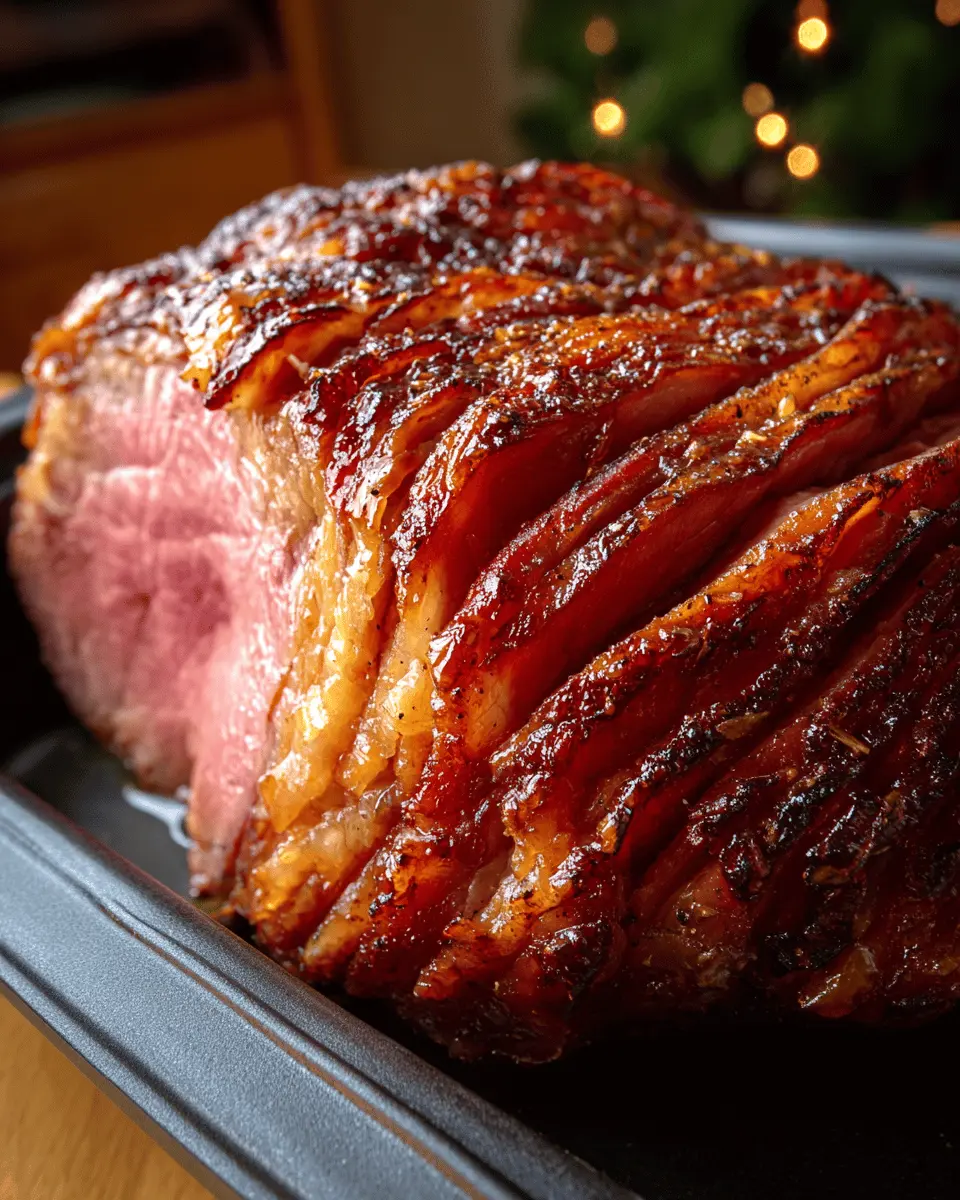
Serving Suggestions for Spiral Beef Roast
When it comes to elevating your spiral beef roast, the right serving suggestions can make all the difference. Let’s explore some fantastic ways to complement this sumptuous dish that your guests will rave about.
Flavorful Sides
Pair your spiral beef roast with classic sides that bring out the juiciness of the meat:
- Garlic Mashed Potatoes: Creamy and buttery, these potatoes are a classic companion.
- Roasted Seasonal Vegetables: Think carrots, Brussels sprouts, or even sweet potatoes for a colorful plate.
- Creamy Coleslaw: The crunchiness adds a delightful textural contrast.
Delicious Sauces
Adding a sauce can enhance the roast's flavor. Here are a few recommendations:
- Herb Gravy: This can bring out the essence of the meat.
- Chimichurri: A zesty sauce that adds a lively kick.
- Barbecue Sauce: Perfect for those who enjoy a smokey sweetness.
Beverage Pairings
While you may have enjoyed a glass of red in the past, consider these options:
- Sparkling Water with Lime: Refreshing and palate-cleansing.
- Iced Herbal Tea: Try a fruity blend for unique flavor notes.
- Craft Kombucha: Offers a tangy fizz that pairs nicely.
By focusing on these combinations, your meal becomes an experience that intrigues and delights. For more inspiration on sides and sauces, check out Cooking Light's guide on perfect side dishes. Enjoy your culinary adventure with the spiral beef roast!
Tips for Making the Perfect Spiral Beef Roast
Crafting the ultimate spiral beef roast is an art, and with the right approach, you can impress your friends and family at your next gathering. Here are some essential tips to elevate your roast game.
Choose Quality Cuts
Investing in a high-quality beef cut can make a world of difference. Look for well-marbled pieces, which will cook more evenly and remain tender. The ribeye or chuck roast are excellent choices for a flavorful experience.
Season Generously
Don’t skimp on the seasoning. A simple mix of salt, pepper, garlic powder, and fresh herbs can create a mouthwatering crust. For more depth, consider adding spices like smoked paprika or cumin. Remember, seasoning is your friend!
Low and Slow Cooking
When it comes to cooking your spiral beef roast, patience is key. Opt for a low oven temperature (around 325°F) and give yourself ample time to cook. This method not only ensures greater tenderness but also allows the flavors to meld beautifully.
Basting for Flavor
Every 30-45 minutes, baste the roast with its own juices or a mix of broth and herbs. This technique helps keep the meat moist and enhances flavor.
Let It Rest
Following cooking, let your roast rest for about 15-20 minutes. This allows the juices to redistribute, ensuring each slice is juicy and bursting with flavor.
For more in-depth cooking tips, check out Food Network's expert advice on preparing roast meats.
With these tips, you'll be well on your way to impressing your audience with a delicious spiral beef roast. Happy cooking!
Time breakdown for Spiral Beef Roast
Preparation time
To kick off your delicious journey with a spiral beef roast, set aside about 20-30 minutes for preparation. This includes gathering your ingredients, seasoning the meat, and getting everything ready to pop in the oven. Remember, a little prep work goes a long way in enhancing those flavors.
Cooking time
Now, for the main event! Cooking your spiral beef roast will typically take around 2 to 2.5 hours, depending on the size of your roast and desired doneness. It's essential to monitor the internal temperature, aiming for a perfect medium-rare at 135°F. Pro tip: invest in a good meat thermometer for precision!
Total time
All in all, from prep to plate, you're looking at approximately 2.5 to 3 hours. This includes both preparation and cooking time, making it ideal for a weekend dinner or special occasion. With just a bit of patience, you’ll be rewarded with a mouthwatering roast that’s sure to impress everyone at the table.
For further tips on timing your meals, check out resources like the USDA Cooking Guidelines for safe cooking practices.
Nutritional Facts for Spiral Beef Roast
When it comes to enjoying a delicious spiral beef roast, understanding its nutritional profile can help you savor it guilt-free. Let’s break it down.
Calories
A typical serving of spiral beef roast contains approximately 250–300 calories, making it a hearty option without going overboard.
Protein
Protein lovers rejoice! This succulent roast packs around 25 grams of protein per serving. That's a great way to fuel your post-workout recovery or power through a busy day at the office. The high protein content can also help keep you feeling full and satisfied longer.
Sodium
However, it’s essential to keep an eye on sodium levels, with about 500–700 milligrams per serving. If you're watching your sodium intake, consider pairing the spiral beef roast with fresh vegetables or whole grains for a balanced meal. You might also explore seasoning it with herbs and spices instead of salt, which adds flavor without excess sodium.
For those interested in learning more about healthy cooking methods and nutritional choices, the USDA's FoodData Central provides comprehensive information on food nutrition that can help you make informed decisions.
With these nutritional insights, you can enjoy your spiral beef roast while staying mindful of your health goals!
FAQs about Spiral Beef Roast
What is the best cut of beef for a spiral roast?
When choosing the ideal cut for your spiral beef roast, you can’t go wrong with the ribeye or sirloin. These cuts are known for their rich flavor and tenderness, making them perfect for a delightful roasting experience. According to the USDA, ribeye is particularly sought after for its marbling, which enhances flavor and juiciness. If you're in the mood for something a bit leaner, sirloin is a fantastic alternative that still delivers on taste.
How do I know when my roast is done?
The best way to tell if your spiral beef roast is ready is by using a meat thermometer. Aim for an internal temperature of 135-145°F for medium-rare, which retains great flavor and texture. If you prefer it on the medium side, look for around 150-160°F. Remember, the roast will continue to cook slightly after you take it out of the oven, so consider removing it just before it reaches your desired temperature. For a comprehensive guide, check out the USDA's recommended steak cooking temperatures.
Can I prepare the roast in advance?
Absolutely! Preparing your spiral beef roast in advance can save you time and stress. You can season and marinate it the night before, allowing the flavors to really soak in. Just make sure to keep it refrigerated. Then, all you’ll need to do on roasting day is pop it in the oven. If you’re planning a gathering, this prep allows you time to focus on other dishes—like that scrumptious turkey bacon appetizer!
By addressing these common questions, I hope you feel a bit more confident about tackling your spiral beef roast adventure. Happy cooking!
Conclusion on Spiral Beef Roast
In summary, incorporating a spiral beef roast into your dining repertoire can elevate any meal, whether it's a festive gathering or a cozy family night. The unique spiral cut allows for even cooking and enhanced flavor distribution, making every bite a delight.
To make your roast truly stand out, consider pairing it with savory sides and a refreshing non-alcoholic beverage. For inspiration, check out resources like Epicurious for additional side dish ideas.
Remember, cooking is an adventure—don’t hesitate to experiment with seasonings or marinades to craft your signature dish. Enjoy the journey!
Print
Spiral Beef Roast: A Juicy Delight for Your Family Dinner
Experience the savory goodness of a spiral beef roast that your family will love.
- Total Time: 2 hours 20 minutes
- Yield: 8 servings
Ingredients
- 4 pounds spiral beef roast
- 2 teaspoons salt
- 1 teaspoon black pepper
- 3 cloves garlic, minced
- 2 tablespoons olive oil
- 1 tablespoon fresh rosemary, chopped
Instructions
- Preheat your oven to 350°F (175°C).
- Rub the spiral beef roast with olive oil, garlic, salt, black pepper, and rosemary.
- Place the roast in a roasting pan and cook for 2 to 2.5 hours, or until the internal temperature reaches 135°F (57°C) for medium-rare.
- Let the roast rest for 15 minutes before slicing.
Notes
- For added flavor, consider marinating the roast a day in advance.
- Serve with roasted vegetables for a complete meal.
- Prep Time: 20 minutes
- Cook Time: 2 hours
- Category: Dinner
- Method: Roasting
- Cuisine: American
- Diet: Carnivore
Nutrition
- Serving Size: 1 slice
- Calories: 250
- Sugar: 0 g
- Sodium: 600 mg
- Fat: 15 g
- Saturated Fat: 6 g
- Unsaturated Fat: 8 g
- Trans Fat: 0 g
- Carbohydrates: 0 g
- Fiber: 0 g
- Protein: 30 g
- Cholesterol: 80 mg