Introduction to Homemade Cottage Cheese
Making homemade cottage cheese is an exciting culinary adventure that not only enriches your cooking repertoire but also elevates your meals to a whole new level. Have you ever tried fresh, creamy, and slightly tangy cottage cheese straight from your kitchen? If not, you're in for a delightful surprise!
Why Make Homemade Cottage Cheese?
There are plenty of reasons to whip up a batch of homemade cottage cheese. First and foremost, it offers an opportunity to control the freshness and flavor of your food. Did you know that most store-bought versions may contain preservatives and additives? By making it at home, you can ensure the ingredients are pure and to your liking.
-
Taste: Freshly made cottage cheese has a unique texture and flavor that’s hard to replicate. It’s creamier and more subtle than the mass-produced varieties you find at the supermarket. It can transform your salads, breakfast bowls, or even snacks into something truly exceptional.
-
Health Benefits: Cottage cheese is a protein powerhouse, perfect for those seeking a healthy diet. According to nutrition experts, this dairy delight is not only low in calories but also high in calcium, which can support bone health. Plus, by making it yourself, you can tailor it to your dietary needs—think low-fat options or even dairy-free variations!
-
Cost-Effective: Often, the cost of homemade cottage cheese is significantly lower than that of its store-bought counterparts. A gallon of milk can yield a large batch, making it a budget-friendly choice for young professionals looking to save a few bucks while enjoying high-quality meals.
Still on the fence? Consider how many recipes can benefit from the addition of cottage cheese. From lasagna to pancakes, or simply paired with some fruit and a drizzle of honey for a healthy breakfast, this ingredient is remarkably versatile.
To embark on your homemade journey, check out resources like the USDA’s Dairy Guide for nutritional guidance. They offer a wealth of information that can broaden your understanding of dairy products and their benefits. With just a few key ingredients and a little patience, you’ll soon be enjoying the fruits of your labor in no time!
So, are you ready to dive into the world of homemade cottage cheese? Stay tuned for our step-by-step recipe!

Ingredients for Homemade Cottage Cheese
Making homemade cottage cheese is not only incredibly simple but also rewarding. With just a few key ingredients, you can create a delicious, fresh cheese that's perfect for salads, snacks, or even as a protein-packed topping on your favorite dishes. Here’s what you’ll need:
- Milk: Whole milk works best for a creamy texture. You can also use low-fat milk if you prefer a lighter option. Aim for about a gallon.
- Vinegar or Lemon Juice: This ingredient acts as a coagulant, helping the milk separate into curds and whey. Around ¼ cup should suffice.
- Salt: Just a pinch, helping to enhance the flavor of your homemade cottage cheese. Feel free to adjust to taste.
- Optional Herbs and Seasonings: Consider adding fresh herbs like chives or dill for an extra flavor boost. Spices like black pepper can also be delightful.
For more culinary insights and recipes, check out Serious Eats. Happy cooking!
Step-by-Step Preparation of Homemade Cottage Cheese
Making your own homemade cottage cheese can be one of the most rewarding culinary projects you undertake. Not only does it allow you to savor a fresh, creamy, and slightly tangy cheese at its best, but it’s also a fantastic way to impress friends and family. Plus, you can customize the texture and flavor according to your liking. Here’s how to do it in a simple, step-by-step manner.
Heating the Milk
Start by pouring about a gallon of whole milk into a large, heavy-bottomed pot. This type of pot is crucial because it distributes heat evenly, reducing the risk of scorching the milk. Place the pot over medium heat and slowly bring the milk to just under a boil, stirring gently to prevent any skin from forming on the surface.
- Tip: Using whole milk gives you a creamier texture, but feel free to experiment with low-fat or skim milk based on your preferences.
Keep an eye on it; you'll want to heat the milk to about 190°F (90°C) while stirring occasionally. A quick thermometer could be beneficial here.
Preparing the Acid
Next, you’ll need to prepare an acid to help curdle the milk. You can choose between white vinegar or lemon juice—both work wonderfully. Just mix about ¼ cup of your chosen acid in a small bowl.
- Alternative: If you're looking for something a bit different, you could also consider using apple cider vinegar for a more nuanced taste.
Curdling the Milk
Once your milk has reached the desired temperature, it’s time to remove it from heat. Slowly drizzle your prepared acid into the hot milk while gently stirring with a wooden spoon. You should see curds starting to form almost immediately as the milk separates into curds and whey.
- Fun Fact: The curds are the soft lumps of cheese, while the whey is the watery component that you’ll be draining away later.
Allow the mixture to sit undisturbed for about 5-10 minutes, letting the curds develop properly.
Letting the Curds Rest
After curdling, you'll want to cover the pot with a clean kitchen towel and let it sit for another 10 minutes. This period is vital because it allows the curds to set and become firmer, making for a better texture in your homemade cottage cheese.
- Rhetorical Question: Is there anything better than the smell of freshly made cheese wafting through the kitchen? I think not!
Draining the Curds
Now, you’ll need to drain the curds. Set a colander over a large bowl or sink and line it with cheesecloth or a clean, thin kitchen towel. Carefully pour the curds and whey into the colander to separate them. Let it sit for a few minutes to allow most of the whey to drain off, resulting in a nice chunk of curd.
Rinsing and Pressing the Curds
Once drained, it’s time to rinse the curds under cool running water. This step helps to wash away any residual acid and cools them down. Gently press the curds in the cheesecloth to remove any excess whey.
- Note: Adjust the pressing time for the texture you prefer—gentler pressing yields creamier cheese, while harder pressing creates a firmer texture.
Shaping the Cottage Cheese
Finally, transfer your curds to a mixing bowl. At this stage, you can add a pinch of salt to enhance the flavor. If you like, consider mixing in herbs or spices to create your own unique blend. To shape your homemade cottage cheese, you can either crumble it into smaller pieces or press it into a mold for a firmer block.
Before you know it, you’ll have whipped up a delicious batch of fresh cottage cheese, ready to be enjoyed in salads, smoothies, or on its own paired with some fresh fruit!
Making homemade cottage cheese truly showcases the beauty of simple ingredients coming together to create something delightful. Once you master these steps, you may never want to go back to store-bought again! If you found this guide helpful, feel free to check out more recipes on Eat This, Not That! for ideas on how to incorporate your fresh cottage cheese into meals.
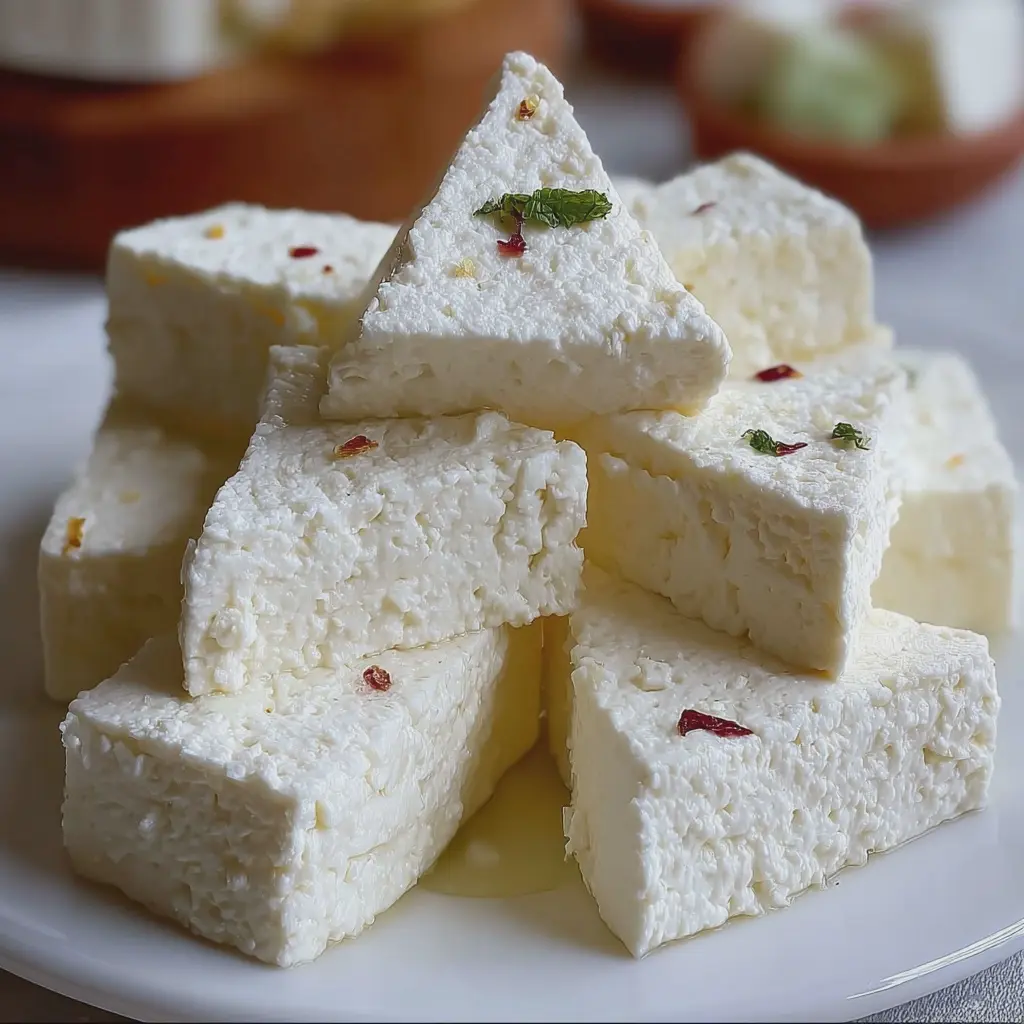
Variations of Homemade Cottage Cheese
When it comes to homemade cottage cheese, the possibilities are endless! Let's explore two delicious variations that can elevate your basic recipe and impress your friends at your next brunch gathering.
Herbed Cottage Cheese
Imagine a creamy, fresh homemade cottage cheese bursting with flavor. You can easily create a herbed version that perfectly complements salads, wraps, or can be enjoyed on its own. Just blend in a variety of fresh herbs like:
- Chives for a mild onion flavor
- Dill for a refreshing kick
- Basil for a touch of sweetness
Simply mix your favorite chopped herbs into the drained cottage cheese and season with a sprinkle of salt and pepper. This variation is not only delicious but also packed with nutrients, making it a fantastic addition to your diet. Don't forget to pair it with whole-grain crackers for a snazzy snack!
Check out this article on the health benefits of herbs for more inspiration.
Sweet Cottage Cheese with Fruits
For a delightful breakfast or a quick snack, try sweetening your homemade cottage cheese with fresh fruits. This variation makes it a great option for those with a sweet tooth. Here’s how to get started:
- Add sliced strawberries or blueberries for antioxidant power.
- Mix in banana slices for creaminess.
- Drizzle with a touch of honey or maple syrup for extra sweetness.
Combining homemade cottage cheese with fruits creates a deliciously creamy treat that's not only satisfying but also packed with protein. It’s an easy way to enjoy a wholesome breakfast or dessert any time of the day.
If you’re eager to experiment, consider checking out different fruits in seasons. The key is to mix and match until you find your perfect flavor combination!
With these variations, you can transform simple homemade cottage cheese into incredible dishes that everyone will love!
Cooking Tips and Notes for Homemade Cottage Cheese
Making homemade cottage cheese can be both rewarding and fun! Here are some practical tips to ensure you achieve the best results.
Quality Ingredients Matter
Start with high-quality milk. Whole milk or even cream adds richness and creaminess. For a lighter version, you can opt for low-fat milk. Either way, fresher milk yields a tastier product.
Temperature Control is Key
When heating the milk, keep an eye on the temperature. Aim for around 190°F (88°C), as this ensures optimal curd formation. Using a cooking thermometer can be a game-changer!
Draining the Curds
After forming your curds, draining is vital. If you enjoy creaminess, don’t drain all the way; leave some whey for that perfect texture. I personally love a slightly thicker consistency!
Experimenting with Flavors
Feel free to experiment! Adding herbs or spices can elevate your homemade cottage cheese. Have you tried it with garlic powder or chives? It’s a fantastic way to customize flavors.
For a detailed guide on the health benefits of cottage cheese, consider checking out Healthline.
With these tips, your cottage cheese experience will be delicious and satisfying! Happy cooking!
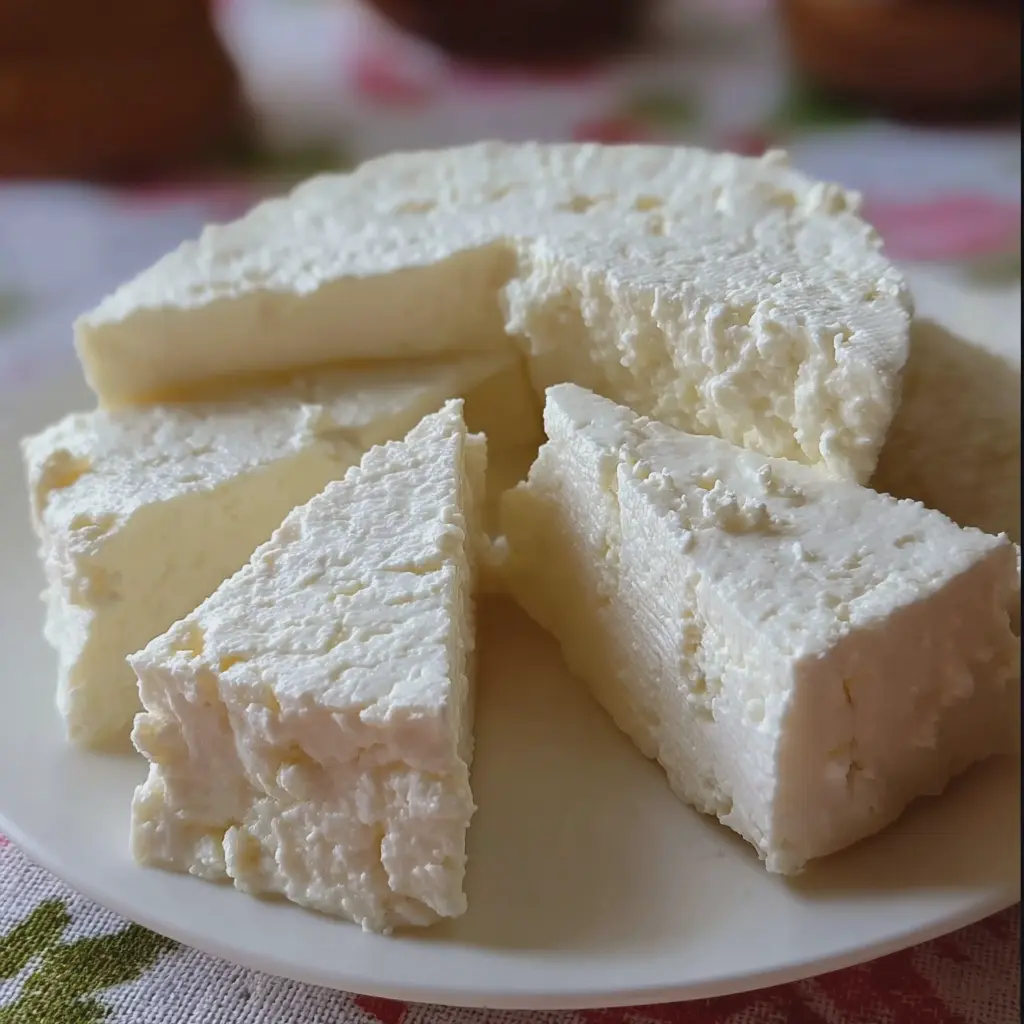
Serving Suggestions for Homemade Cottage Cheese
Homemade cottage cheese is not just a delicious snack; it’s also a versatile ingredient that can elevate many dishes. Here are some delightful ways to enjoy your fresh creation:
Breakfast Boost
- Mix with Fresh Fruits: Pair your homemade cottage cheese with fresh berries or sliced bananas for a nutritious start to your day. A touch of honey can enhance the natural sweetness.
- Smoothie Add-In: Blend it into your morning smoothie for a protein kick. It adds creaminess without the calories of other dairy products.
Savory Sides and Snacks
- Savory Toast: Spread homemade cottage cheese on whole-grain toast, topped with sliced tomatoes and a sprinkle of basil—simple yet tasty!
- Turkey Bacon Wraps: Create light wraps with turkey bacon and your cottage cheese. Adding a few greens can elevate the flavor and nutritional value.
Healthy Dips
- Veggie Dip: Use it as a base for a veggie dip. Mix your cottage cheese with herbs like dill or chives for a complimentary flavor to crunchy carrots or bell peppers.
By experimenting with these ideas, you can enjoy your homemade cottage cheese in countless delicious ways. For more tips on incorporating cottage cheese into meals, check out resources from experts like Healthline for insights on its nutritional benefits!
Time Breakdown for Homemade Cottage Cheese
Preparation Time
Making homemade cottage cheese is a delightful process that starts with a bit of planning. You’ll need about 10 minutes to gather your ingredients and set everything up. Just think about it: fresh milk, a little vinegar or lemon juice, and some salt—easy peasy!
Cooking Time
The next phase requires about 30-45 minutes to simmer the milk and allow curds to form. It's a bit like waiting for magic to happen! During this time, feel free to sip on your favorite herbal tea or listen to a podcast.
Total Time
In total, you're looking at around 40-55 minutes from start to finish. Once you’ve mastered the basics, you can whip up a batch of homemade cottage cheese anytime you crave that creamy goodness. Want to delve deeper into the nutritional benefits of cottage cheese? Check out Healthline’s guide for more insights!
Enjoy your fresh creation, whether it's for breakfast or a savory snack!
Nutritional Facts of Homemade Cottage Cheese
Homemade cottage cheese is not just delicious; it's also a nutritional powerhouse. Understanding its nutritional profile can help you appreciate how it fits into your healthy diet.
Calories
In a typical serving of homemade cottage cheese, you can expect around 210 calories. This makes it a relatively low-calorie option compared to many other dairy products, perfect for those monitoring their caloric intake.
Protein
One of the highlights of homemade cottage cheese is its high protein content. Each serving provides approximately 28 grams of protein. This is beneficial for muscle repair and maintenance, making it a favorite among active individuals.
Fat Content
When it comes to fat, homemade cottage cheese can vary based on the milk used. Generally, you’ll find around 10 grams of fat per serving, with options for low-fat or full-fat depending on your preference. This balance of fats can support satiety—keeping you full and satisfied.
For more insights on the nutritional benefits of homemade cottage cheese, consider checking out the USDA Nutrition Database for up-to-date nutritional information. Combining your homemade cottage cheese in recipes or enjoying it plain can be a delightful way to optimize your health.
FAQs about Homemade Cottage Cheese
Making your own homemade cottage cheese can be exciting, but you might have some questions. Let’s dive into common inquiries that can help enhance your cheese-making journey.
Can I use skim milk instead of whole milk?
Absolutely! While whole milk gives your homemade cottage cheese a richer flavor and creaminess, feel free to experiment with skim milk if you prefer a lighter option. Just keep in mind the texture will be less creamy, and the curds may be slightly firmer. For extra creaminess, you can consider adding a dollop of plain yogurt or a touch of cream to the skim milk.
How can I make cottage cheese creamier?
For creamier homemade cottage cheese, there are a couple of tricks you can use:
- Use more cream: Mixing heavy cream into your curds after draining can elevate the texture substantially.
- Blend it: After draining, you can pulse the curds in a blender or food processor for a smoother consistency.
Experimenting with these methods can help you achieve the perfect creamy consistency you love.
How long does homemade cottage cheese last?
Typically, your homemade cottage cheese can be stored in the refrigerator for about 5 to 7 days. To maximize freshness:
- Keep it in an airtight container.
- Avoid leaving it out at room temperature for extended periods.
If you're unsure, a simple smell test can often indicate if it's still good. For more detailed storage tips, check out resources like the USDA’s guidelines on dairy products.
Taking on the adventure of making your own cottage cheese is not only rewarding but can also lead to delicious meals. With these FAQs, you’re now better equipped to whip up your favorite cheesy goodness at home!
Conclusion on Homemade Cottage Cheese
In conclusion, making your own homemade cottage cheese is a rewarding and enjoyable process. Not only do you get to control ingredients and flavors, but it's also a great way to ensure freshness while avoiding additives commonly found in store-bought options.
- Health Benefits: Cottage cheese is a source of protein and calcium, beneficial for your bone health and muscle recovery.
- Versatility: Whether you spread it on toast, mix it into salads, or even enjoy it with fruits, the ways to use homemade cottage cheese are endless.
So why not give it a try? You'll likely find that your culinary creativity flourishes, and your taste buds will be grateful. For more insights on the benefits of cottage cheese, check out resources like the Cleveland Clinic and the American Dairy Association.
Print
Homemade Cottage Cheese: Easy & Creamy Recipe for Everyone
Learn how to easily make creamy homemade cottage cheese with this simple recipe that anyone can follow.
- Total Time: 30 minutes
- Yield: 4 servings
Ingredients
- 1 gallon whole milk
- ¼ cup white vinegar or lemon juice
- 1 teaspoon salt
Instructions
- In a large pot, heat the milk over medium heat until it begins to simmer.
- Remove from heat and stir in the vinegar or lemon juice. Let it sit for 10 minutes to curdle.
- Line a colander with cheesecloth and pour the curds and whey into it. Rinse under cold water.
- Gather the cheesecloth and squeeze out excess liquid. Transfer to a bowl and mix in salt.
- Refrigerate for at least an hour before serving.
Notes
- For a creamier texture, add a splash of cream after rinsing the curds.
- This cottage cheese can be added to salads, pastas, or eaten on its own.
- Prep Time: 10 minutes
- Cook Time: 20 minutes
- Category: Dairy
- Method: Stovetop
- Cuisine: Indian
- Diet: Vegetarian
Nutrition
- Serving Size: ½ cup
- Calories: 206
- Sugar: 11g
- Sodium: 346mg
- Fat: 9g
- Saturated Fat: 5g
- Unsaturated Fat: 3g
- Trans Fat: 0g
- Carbohydrates: 10g
- Fiber: 0g
- Protein: 28g
- Cholesterol: 37mg