Introduction to Prime Rib Roast
If you’re searching for the perfect centerpiece for your next meal, look no further than the prime rib roast. This culinary classic is not just a feast for the eyes; it’s a sumptuous dish that brings rich flavors and tender meat to the table, making it a top choice for any gathering or special occasion.
Why Choose Prime Rib Roast for Your Next Meal?
So, why should you consider making a prime rib roast? For starters, it's a showstopper. When you serve this beautifully marbled cut of beef, you create a dining experience that your guests won’t soon forget. Imagine carving into a perfectly roasted piece, with juices flowing and enhanced by a robust herb crust. Who wouldn’t want to be the star of their own dinner party?
-
Flavorful and Tender: The marbling in prime rib contributes to its juiciness, making each bite incredibly tender and bursting with flavor. The process of roasting enhances its natural richness. Experts suggest that slow roasting at a low temperature helps maintain that perfect pink center while developing a crispy outer layer.
-
Versatile Pairings: A prime rib roast pairs beautifully with a variety of side dishes. Consider serving it alongside creamy mashed potatoes or roasted seasonal vegetables. For a touch of brightness, a fresh salad can also complement the rich flavors of the beef without overwhelming it.
-
Feed a Crowd: A significant advantage of prime rib roast is that it can be generously sliced to serve multiple guests, making it perfect for family dinners or holiday gatherings. Depending on the size you choose, it can feed anywhere from a small group to a large crowd, keeping your guests satisfied and happy.
In essence, making a prime rib roast transforms a meal into an occasion. Plus, there’s something undeniably rewarding about mastering such a classic dish. If you’d like more tips and tricks on creating that perfect prime rib roast, check out this authoritative guide on beef cuts.
Ready to dive into the deliciousness? Let's get cooking!
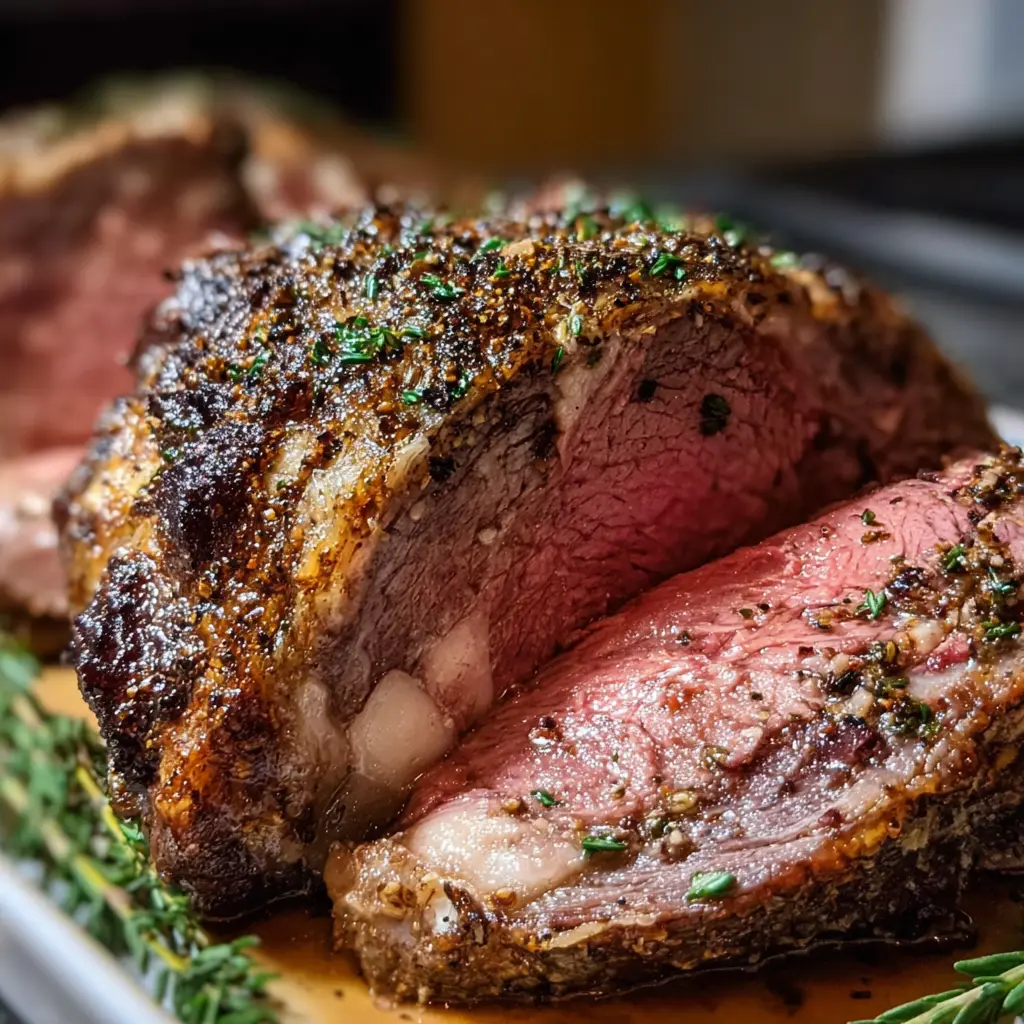
Ingredients for Prime Rib Roast
Essential Ingredients for a Flavorful Roast
Creating the perfect prime rib roast starts with selecting quality ingredients. Let’s dive into what you’ll need to bring that juicy, tender masterpiece to life.
- Prime Rib Roast: Look for a well-marbled cut. The intramuscular fat enhances flavor and keeps the meat moist during cooking. A 4 to 7-rib roast is ideal; ask your butcher for a “choice” or “prime” grade for the best quality.
- Kosher Salt: This is essential for seasoning; its larger grains stick to the meat well, enhancing flavor during cooking.
- Black Pepper: Freshly ground is best. It adds that necessary kick without overpowering the roast's natural flavors.
- Herbs: Fresh rosemary and thyme work wonders, infusing the meat with aromatic undertones.
- Garlic: Either whole cloves or minced, garlic is a must for depth of flavor.
- Olive Oil: Helps to create a beautiful crust when roasting.
With these ingredients, you’ll be on your way to having a prime rib roast that will impress your guests. For tips on selecting prime cuts, check out resources from Meat & Poultry.
Step-by-Step Preparation of Prime Rib Roast
Cooking a prime rib roast is a culinary journey that can elevate any gathering into a memorable feast. But don't worry; I’m here to guide you through each step to ensure your roast comes out perfectly juicy and tender. Let's get started!
Bringing the Roast to Room Temperature
Begin by taking your prime rib roast out of the refrigerator. It's essential to let it sit at room temperature for about 1 to 2 hours. Why is this step important? It promotes even cooking, ensuring that the exterior doesn’t cook much faster than the interior. This waiting period also enhances flavor absorption when we apply our seasoning paste.
Prepping the Oven and Roasting Pan
While your roast is acclimatizing, preheat your oven to 450°F (232°C). This initial high temperature will help create a beautifully caramelized crust. Next, grab your roasting pan—which should ideally have a rack to elevate the meat slightly. This circulation of heat around the roast is key to achieving that perfect evenly-cooked result.
Creating the Seasoning Paste
Let’s talk about flavor! A well-seasoned prime rib roast can be the difference between an ordinary meal and an extraordinary one. For a basic seasoning paste, you’ll need:
- 2 tablespoons kosher salt
- 2 tablespoons freshly cracked black pepper
- 1 tablespoon garlic powder
- 1 tablespoon onion powder
- 2 tablespoons olive oil
Mix these ingredients evenly into a paste. The olive oil acts as a binder that allows the seasoning to coat the meat thoroughly, while also aiding in browning during roasting.
Applying the Seasoning to the Roast
Now that you have your paste ready, it’s time to slather it onto the roast. Use your hands (yes, it’s okay to get messy!) to rub the seasoning all over the roast, including the ends. Make sure to massage it gently; this helps the flavors penetrate deeper. You want every bite to be as savory as it can get.
The Initial High-Temperature Roasting
With the roast seasoned, it’s go-time! Place it in your preheated oven and roast it at 450°F (232°C) for about 15-20 minutes. This step isn’t just for aesthetics; it forms a delicious crust while locking in the juices. You’ll know it’s ready for the next step if it has a beautiful golden-brown exterior.
Reducing the Temperature and Perfecting Doneness
After achieving that gorgeous crust, lower the oven temperature to 325°F (163°C). Continue roasting for about 15-20 minutes per pound. The best way to ensure perfect doneness is by using a meat thermometer. Aim for 130°F (54°C) for medium-rare; this temperature guarantees a succulent pink center. If you prefer medium, bring it to 140°F (60°C).
Resting the Roast for Maximum Juiciness
Once your prime rib roast has reached the desired temperature, remove it from the oven and tent it with aluminum foil. This resting period (about 20-30 minutes) is crucial, as it allows the juices to redistribute throughout the meat, ensuring every slice is moist and flavorful.
Carving and Serving the Prime Rib
Now for the grand finale! Position your roast on a cutting board with the fat side facing up. Use a sharp carving knife to cut along the bone, creating beautiful, even slices. Serve with your favorite sides, like mashed potatoes or roasted vegetables. Don’t forget to drizzle any pan juices or a homemade gravy on top to elevate the flavors further.
And there you have it—a fail-proof method to create a stunning prime rib roast that will wow your friends and family. Enjoy every savory bite of your hard work! If you're looking for additional side dish ideas, check out some of my other posts for inspiration.
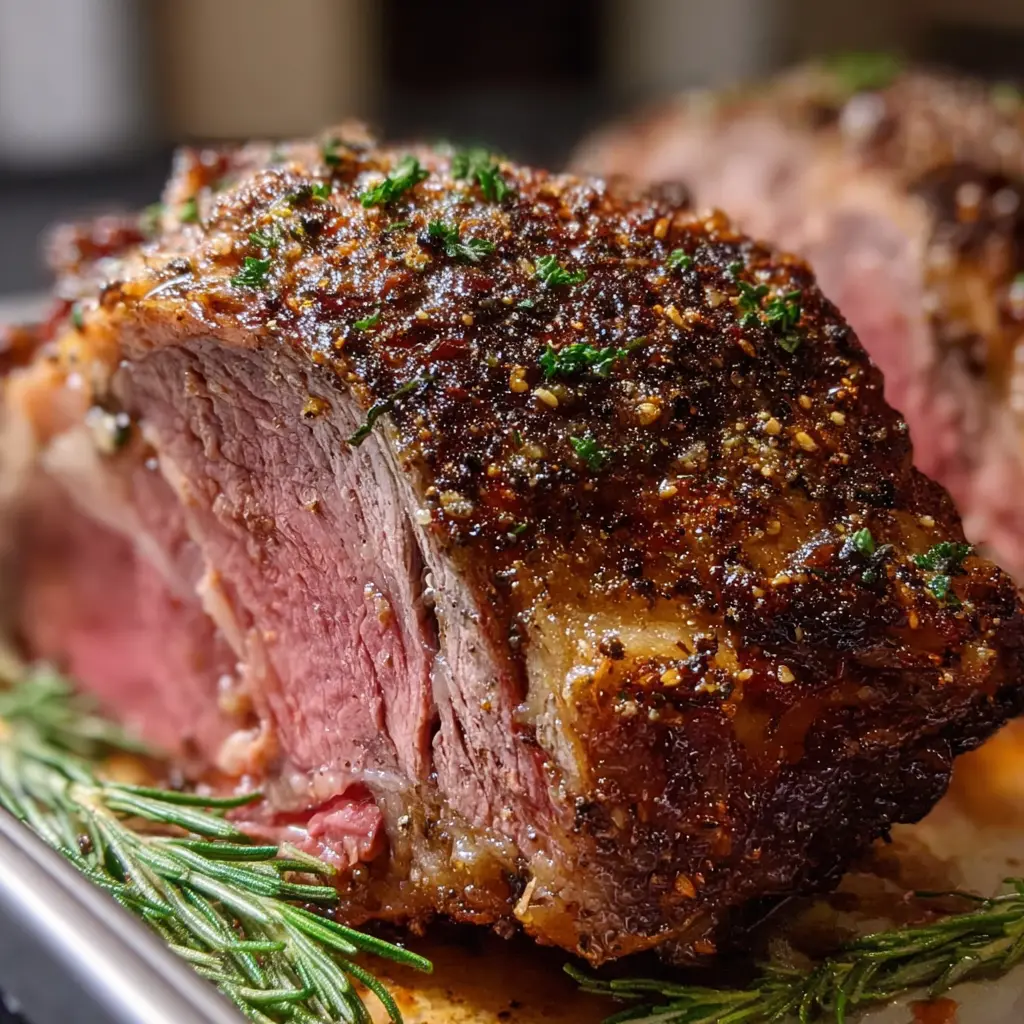
Variations on Prime Rib Roast
When it comes to elevating your prime rib roast experience, the world of culinary creativity is your oyster! Dive into these variations that can transform your dish from classic to extraordinary.
Herb-Crusted Prime Rib Variations
Give your prime rib roast a fresh twist with a herb crust that not only adds flavor but also an appealing aesthetic. Combine fresh herbs like rosemary, thyme, and parsley with garlic and olive oil for a zesty rub. This not only enhances the flavor but also creates a gorgeous crust as it roasts. If you’re feeling adventurous, consider experimenting with other herbs, like oregano or dill, to see what suits your palate best.
Prime Rib with a Savory Rub
A savory rub can truly take your prime rib roast to the next level. Try blending spices like smoked paprika, cumin, and even a touch of cayenne for some heat. Rub this mixture all over your roast and let it sit for a few hours or overnight. Not only will it penetrate the meat for maximum flavor, but it also contributes to forming a delightful, caramelized crust during roasting.
Unique Sauces to Complement Prime Rib
To accompany your perfectly cooked prime rib roast, consider homemade sauces that can add a burst of flavor. Here are a few ideas:
- Horseradish Cream Sauce: Mixing prepared horseradish with sour cream and a squeeze of lemon for a refreshing kick.
- Garlic Herb Butter: A simple combination of softened butter, minced garlic, and fresh herbs makes for an amazing drizzle over the meat.
- Balsamic Reduction: Slow-cook balsamic vinegar until it thickens, for a sweet, tangy contrast that’s simply delicious.
These variations allow you to turn a classic dish into your own signature creation! With a little imagination, your prime rib roast will not only be a joyful feast but also a memorable highlight at any gathering.
For more tips on seasoning and roasting techniques, check out culinary guides from Serious Eats or Bon Appétit.
Cooking Tips and Notes for Prime Rib Roast
Common pitfalls and how to avoid them
Cooking a perfect prime rib roast can be daunting, but avoiding common pitfalls can make all the difference. One major mistake is cooking at too high a temperature, which may lead to a charred exterior and an undercooked center. Instead, start at a higher temperature for a short period, then reduce it for gentle, even cooking.
Another area where cooks stumble is in tenderizing. Always let your prime rib roast rest before slicing; this helps retain moisture. A good rule of thumb? Rest for at least 20 minutes!
Tools that make the process easier
Investing in the right tools can elevate your prime rib roast experience. A high-quality meat thermometer is essential for checking internal temperature, while a sturdy carving knife ensures precise slices. Think about using a roasting pan with a rack for even cooking and airflow. For more tips on essential kitchen tools, check out resources like Good Housekeeping.
By applying these tips and using the right tools, you'll be on your way to impressing everyone at your next dinner gathering!
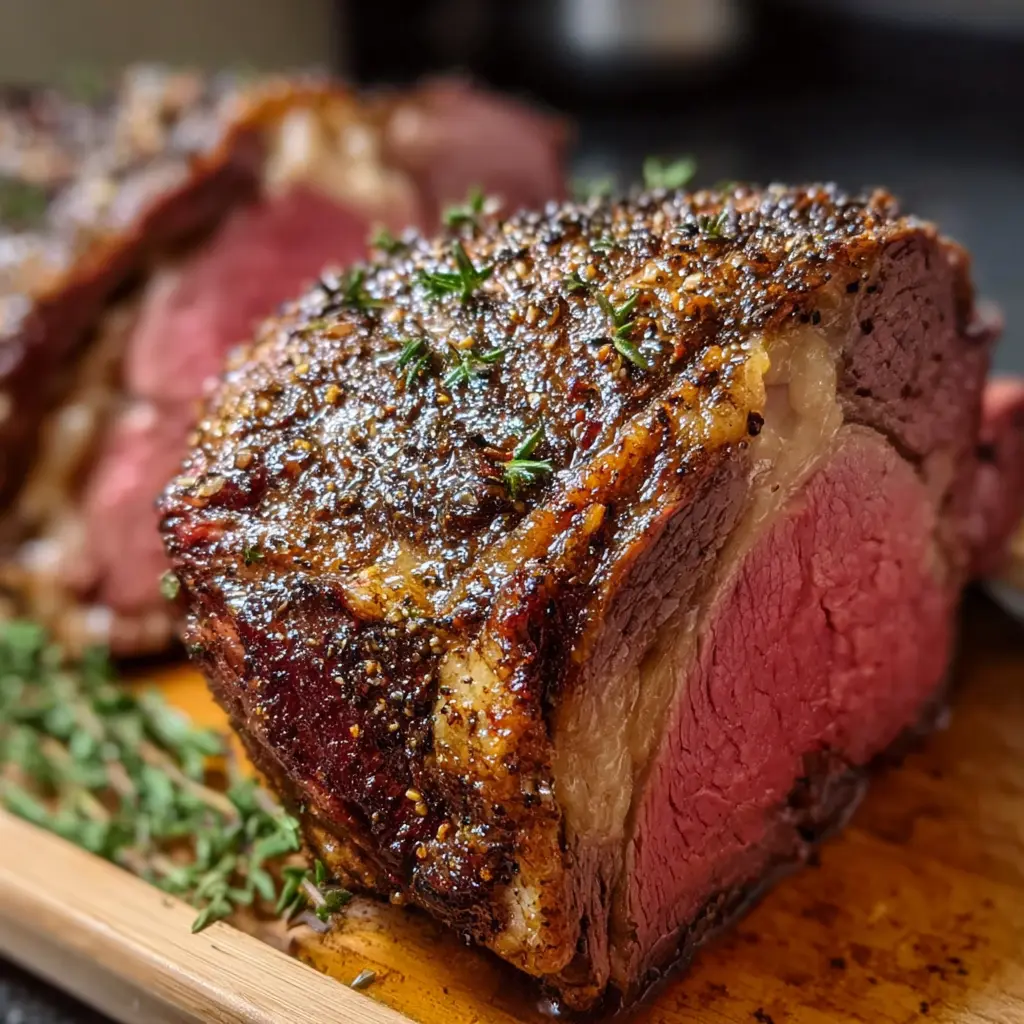
Serving Suggestions for Prime Rib Roast
Side Dishes that Pair Beautifully with Prime Rib
When indulging in a prime rib roast, the right side dishes can elevate your meal to new heights. Consider serving:
- Garlic Mashed Potatoes: Creamy and buttery, they contrast beautifully with the rich flavor of the roast.
- Roasted Vegetables: Seasonal veggies like carrots, Brussels sprouts, and potatoes add color and nutrition.
- Gravy and Horseradish Sauce: These classic accompaniments enhance the flavors while adding a bit of zest.
Feeling adventurous? Try a homemade side salad drizzled with a balsamic reduction for a refreshing balance!
Creative Ideas for Leftover Prime Rib
After your feast, there’s no need to let that delicious prime rib roast go to waste. Here are some nifty ideas:
- Prime Rib Sandwiches: Layer thin slices of the roast with some Turkey Bacon and fresh greens on crusty bread for a mouthwatering lunch.
- Prime Rib Tacos: Shred the leftover meat, warm it up, and load it into corn tortillas with your favorite toppings.
- Soup or Stew: Dice the meat and toss it into a hearty vegetable soup for a comforting dish.
With these suggestions, your prime rib roast experience can last beyond the dinner table! For more ideas, check out Cooking Light for inspiration on side dishes and leftovers.
Time Breakdown for Prime Rib Roast
Planning your prime rib roast masterpiece? Here’s how to manage your time effectively for a perfectly juicy and tender roast!
Preparation time
You’ll need around 30 minutes to prep your prime rib roast. This includes seasoning the meat and letting it sit at room temperature. Taking that extra time helps enhance the flavor and ensures even cooking.
Cooking time
The cooking itself can vary, but aim for about 1.5 to 2 hours in the oven. A great rule of thumb is to cook for 15-20 minutes per pound at 350°F (175°C). For the best results on doneness, use a meat thermometer.
Total time
In total, you’re looking at approximately 2 to 2.5 hours from start to finish, including prep and cooking. If you're planning for a special dinner, this time management will ensure you enjoy a meal that’s both impressive and delicious. Want tips on seasoning? Check out resources from the American Culinary Institute for expert advice!
Nutritional Facts for Prime Rib Roast
When indulging in a prime rib roast, it's essential to understand its nutritional profile. Here's a quick breakdown:
Calories
A standard serving of prime rib roast (about 3 ounces) typically contains around 250-300 calories. This makes it a hearty yet satisfying dish that's perfect for special occasions or cozy dinners.
Protein Content
One of the stars of the show is its remarkable protein content. Each serving provides approximately 22-25 grams of protein, making it an excellent choice for those looking to meet their protein needs.
Fats and Sodium Levels
Prime rib roast does contain fats, with about 15-20 grams per serving, which includes both saturated and unsaturated types. Additionally, be mindful of sodium levels, which can vary widely depending on seasoning and preparation; average levels can reach around 75-90 mg per serving.
For more information on nutritional value, check out sources like the USDA FoodData Central or health websites like Healthline. Balancing this dish with lighter sides or veggies can make your meal feel even more satisfying. Enjoy both the flavor and the nutritional benefits!
FAQs about Prime Rib Roast
When it comes to preparing a prime rib roast, you may have a few questions. Let’s dive into some common inquiries that can help you master this delightful cut of beef.
What’s the best cooking method for prime rib?
The best cooking method for a prime rib roast is low and slow to achieve that perfect juiciness and tenderness. Start by searing the roast at high heat to develop a flavorful crust. Then, lower the temperature and cook it slowly, allowing the beef to gradually reach the desired doneness. Use a reliable meat thermometer for best results!
How do I know when my prime rib is perfectly cooked?
The internal temperature is key! For a medium-rare prime rib roast, aim for around 130°F (54°C), while medium is around 145°F (63°C). Remember that the roast will continue to cook slightly as it rests. So, consider removing it from the oven at 5°F (about 3°C) below your target temperature.
Can I make prime rib ahead of time?
Absolutely! You can season and prepare your prime rib roast the day before. Just cover it tightly and store it in the refrigerator. When ready to cook, allow it to sit at room temperature for about an hour before roasting. This way, it cooks more evenly!
What's the difference between bone-in and boneless prime rib?
Bone-in prime rib roast is often considered to have more flavor due to the bone, plus it can self-baste as it cooks. However, boneless versions are easier to carve and are often available in more manageable sizes. Whether you choose bone-in or boneless, either cut can be a showstopper at your dinner table.
For more tips on cooking beef, check out The Beef Checkoff for expert advice and resources!
Conclusion on Prime Rib Roast
Why Prime Rib Roast is a Special Occasion Dish
A prime rib roast isn’t just a meal; it's an experience that brings people together. Often reserved for holidays or significant celebrations, the rich flavor and succulent texture make it a centerpiece everyone can savor. The care that goes into preparing it—from seasoning to the perfect sear—shows your loved ones just how much you care.
When paired with delicious sides or a fresh salad, this dish creates lasting memories. So, the next time you're planning a gathering, remember that serving a prime rib roast will elevate the occasion and leave a lasting impression. Explore more cooking techniques and tips from The Culinary Institute of America to perfect your roast!
Print
Prime Rib Roast: Perfectly Juicy & Tender for Your Next Feast
Enjoy a perfectly juicy and tender prime rib roast, ideal for your next feast with family and friends!
- Total Time: 1 hour 45 minutes
- Yield: 6-8 servings
Ingredients
- 1 prime rib roast
- 2 tablespoons olive oil
- 1 tablespoon salt
- 1 tablespoon black pepper
- 1 teaspoon garlic powder
- 1 teaspoon onion powder
- 1 teaspoon dried rosemary
- 1 teaspoon dried thyme
- 2 cups beef broth
Instructions
- Preheat your oven to 450°F (232°C).
- Prepare the prime rib by allowing it to come to room temperature, about 1 hour before cooking.
- Rub olive oil and seasoning mixture all over the roast.
- Place the roast in a roasting pan bone-side down, then roast for 20 minutes.
- Lower the oven temperature to 325°F (163°C) and continue roasting until the internal temperature reaches your desired doneness (medium-rare is 135°F or 57°C).
- Remove the roast from the oven and let it rest for 20 minutes before slicing.
- Serve with beef broth gravy.
Notes
- Allow for 1 pound of roast per person when planning your meal.
- Invest in a good meat thermometer for best results.
- Prep Time: 15 minutes
- Cook Time: 1 hour 30 minutes
- Category: Main Course
- Method: Roasting
- Cuisine: American
- Diet: Meat
Nutrition
- Serving Size: 6 ounces
- Calories: 450
- Sugar: 0g
- Sodium: 900mg
- Fat: 30g
- Saturated Fat: 12g
- Unsaturated Fat: 0g
- Trans Fat: 0g
- Carbohydrates: 0g
- Fiber: 0g
- Protein: 45g
- Cholesterol: 120mg