Introduction to Traditional Sauerbraten
If you’re searching for a dish that embodies comfort during chilly evenings, look no further than traditional sauerbraten. A classic German pot roast that has been delighting taste buds for centuries, sauerbraten is the kind of meal that invites gathering around the table with loved ones. This dish is all about slow cooking and rich flavors, making it a perfect choice for both weeknight dinners and special occasions.
Why Sauerbraten is the Perfect Comfort Food
So, what makes traditional sauerbraten such a standout comfort food?
-
Flavorful Marinade: The secret to its robust flavor lies in the marinade. A lovely blend of vinegar, herbs, and spices infuses the beef with a tangy richness that is distinctive yet comforting. Unlike many other pot roasts, sauerbraten typically marinates from a few days to a week, allowing the flavors to penetrate the meat deeply.
-
Tender, Succulent Beef: When prepared correctly, the beef practically melts in your mouth. The long cooking time helps to break down the fibers, resulting in meat that is both tender and flavorful. It’s a great choice for impressing guests or simply treating yourself after a long week.
-
Hearty Accompaniments: This dish is often served with a variety of traditional sides such as potatoes, red cabbage, or dumplings. These accompaniments balance the dish perfectly and create a wholesome meal that feels hearty without being overly heavy.
Just imagine coming home after a busy day, the aroma of traditional sauerbraten wafting through the house, beckoning you to sit down and indulge. It’s not only a meal; it’s an experience. Each bite can take you back to memories of family dinners or perhaps even inspire new ones.
If you're curious to learn more about the cultural roots and preparation of this dish, check out The Spruce Eats for invaluable tips on capturing the essence of German cooking.
In the following sections, we'll guide you through the process of making your very own traditional sauerbraten, taking you step-by-step to ensure your first attempt is a delicious success.
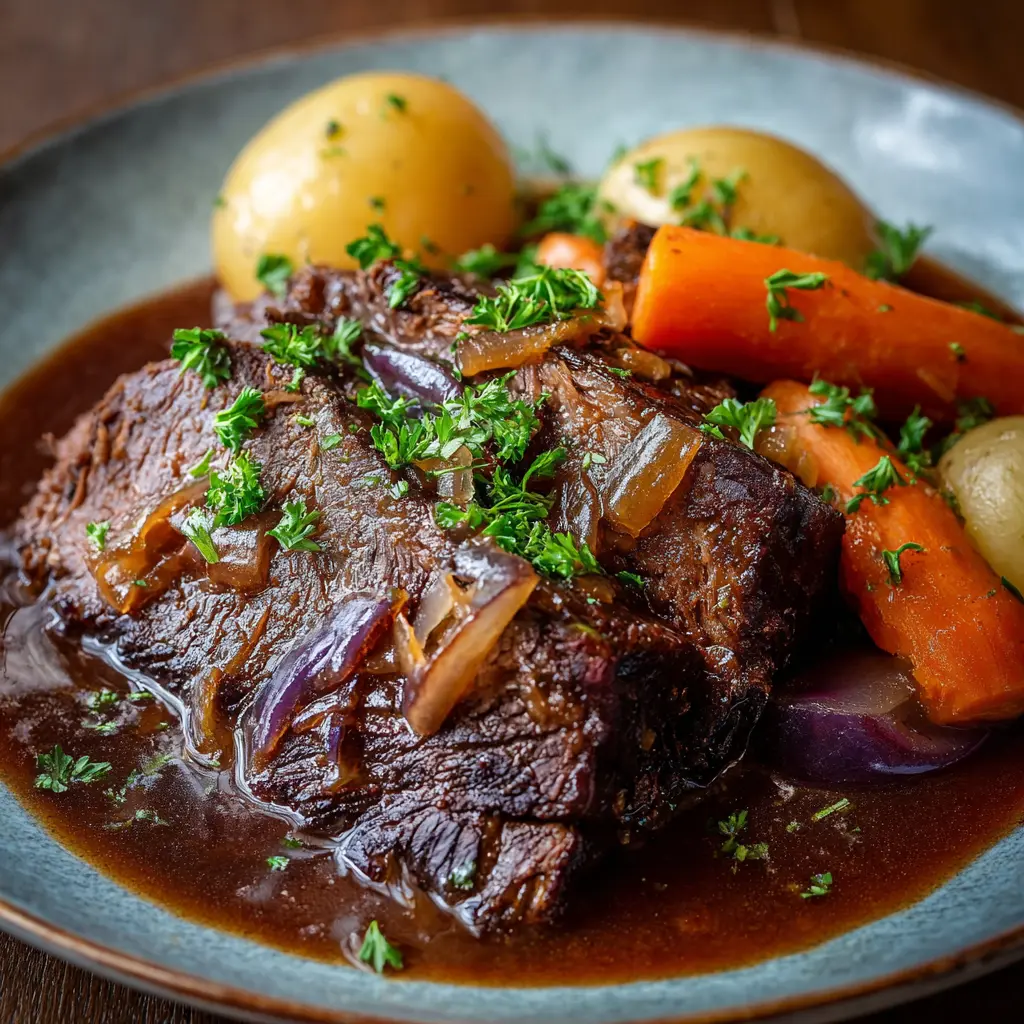
Ingredients for Traditional Sauerbraten
Creating a classic traditional sauerbraten dish is as much about the ingredients as it is about the love you put into cooking it. Let’s break down what you’ll need to achieve that delightful, warm, and savory meal.
Marinade Ingredients
The marinade is what truly sets sauerbraten apart. You'll need:
- 2 cups of beef broth
- 1 cup of apple cider vinegar
- 1 large onion, chopped
- 2 carrots, peeled and chopped
- 3 cloves garlic, minced
- 1 tablespoon mustard seeds
- 1 tablespoon peppercorns
- 2 bay leaves
- A pinch of sugar
This combination is designed to both tenderize and add complexity to your beef roast.
Roast Ingredients
For the meat, keep it simple yet robust:
- 3 to 4 pounds of beef roast, ideally a chuck or round cut
- Salt, to taste
- Optional: Turkey bacon and chicken ham for added flavor depth
The key here is to choose quality beef; it makes all the difference in your final dish.
Gravy Ingredients
Now, for that luscious gravy to round out your traditional sauerbraten:
- 2 tablespoons of flour
- 2 tablespoons of butter
- Strained marinade (that you used for the roast)
- Fresh parsley for garnish
Once you have these ingredients, you're well on your way to creating a truly unforgettable meal. If you’re interested in complementary side dishes, feel free to check out other recipes that pair beautifully with sauerbraten!
Preparing Traditional Sauerbraten
Making traditional sauerbraten at home is a labor of love that pays off with a tender and flavorful pot roast, perfect for family dinners or special occasions. I've found that the key to a delicious sauerbraten is patience, particularly during the marinating process. So, let’s dive into the steps!
Prepare the Marinade
Start by gathering your ingredients for the marinade. You’ll need:
- 1 cup apple cider vinegar
- 1 cup water
- 1 medium onion, quartered
- 2-3 cloves of garlic, crushed
- 1 tablespoon brown sugar
- 2-3 whole cloves
- 1-2 bay leaves
- A few sprigs of fresh thyme
- Salt and pepper to taste
This marinade might seem simple, but it’s the backbone of traditional sauerbraten. The vinegar adds that necessary tanginess that tenderizes the beef and imparts deep flavors. Combine all the ingredients in a large bowl and give it a good stir. Don’t forget to taste; adjusting the sweetness with a little extra brown sugar can work wonders.
Marinate the Beef
Once your marinade is ready, it’s time for the beef. I recommend using a good cut of beef such as chuck or round. These cuts become incredibly tender and flavorful after slow cooking.
- Place your beef in a large, non-metallic dish (metal can react with the vinegar).
- Pour the marinade over the meat, ensuring it’s fully submerged.
- Cover and refrigerate for at least 3 days, ideally up to 5. Yes, it requires patience! The longer it marinates, the better the flavor.
Unlike some recipes that take mere hours, allowing your beef to soak in the marinade for days gives you that authentic sauerbraten flavor you’re after. I often use this time to plan sides, like spaetzle or red cabbage, which pair wonderfully with the roast.
Sear the Roast
After marinating, it’s time to bring out the rich, deep flavors.
- Remove the beef from the marinade and pat it dry with paper towels.
- Heat some oil in a heavy pot over medium-high heat.
- Sear the roast on all sides, until browned. This step is crucial as it locks in juices and flavor.
Use a combination of olive oil and a little bit of turkey bacon fat to enhance the complexity of the dish, if you like. This might be the most satisfying part of the process—watching the beef caramelize and develop that gorgeous crust.
Simmer the Roast
Now comes the relaxed cooking part.
- Pour the marinade (strain out the solids if you prefer) into the pot with the beef.
- Bring to a boil, then reduce to a simmer. Cover and let it cook for about 2.5 to 3 hours.
Check occasionally and give it a gentle stir if needed. The beef should become fork-tender, which is the ultimate goal of this dish. Traditional German cooking is often highlighted by its focus on patience and care, and sauerbraten is no exception.
Make the Gravy
While the roast is simmering, it’s a good time to prepare your gravy for that signature finish.
- Once the beef is done, remove it from the pot and set it on a cutting board to rest.
- Strain the cooking liquid into a saucepan and bring it to a boil, then reduce it to a simmer.
- Thicken it with a mixture of flour and water or cornstarch, stirring constantly until it achieves your desired consistency.
This sauce is the crown jewel of your sauerbraten. Adding a pinch of sugar can balance out the acidity beautifully.
Serve the Dish
After all that hard work, it's finally time to enjoy your labor of love.
- Slice your sauerbraten into thick pieces and drizzle the gravy generously over it.
- Pair it with sides like roasted potatoes or braised red cabbage for a complete meal.
No one can resist a plate of traditional sauerbraten, and once they taste it, they'll understand why it's a beloved dish in German cuisine. Enjoy every bite of this hearty meal that brings warmth and comfort in every serving. Don’t forget to share your experiences with this recipe; I’d love to hear how yours turned out!
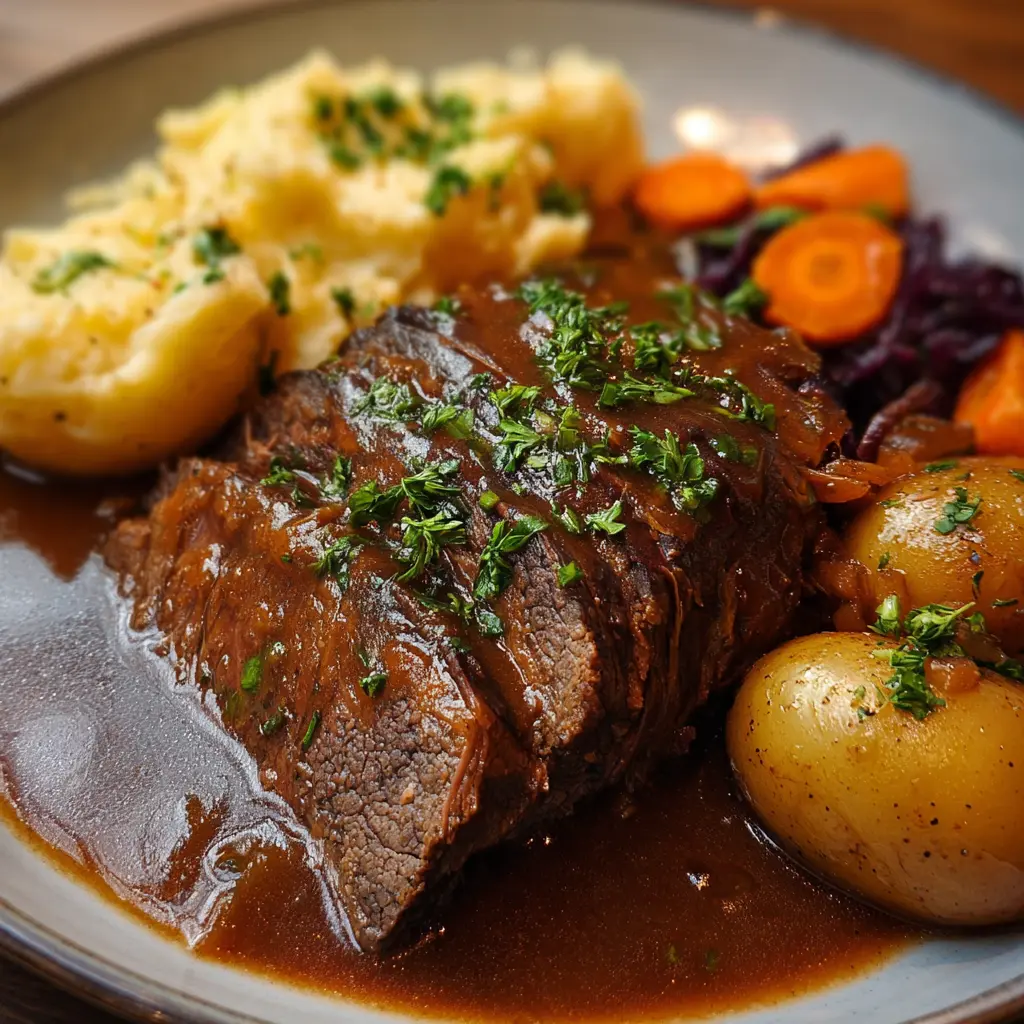
Variations on Traditional Sauerbraten
Sauerbraten with Different Meats
While traditional sauerbraten is often made with beef, there’s room for creativity. You might want to try lamb for a slightly different flavor profile—its rich taste can be a delightful twist. Poultry options, such as turkey bacon or chicken ham, can create a lighter version that's perfect for a casual dinner. Pork lovers might opt for a tender pork loin as well, giving a nod to regional differences in meat preferences throughout Germany.
Accompaniments to Consider
The beauty of sauerbraten lies not just in the meat but in what you serve alongside it. Here are some classic and modern accompaniments to elevate your meal:
- Potato Dumplings: A traditional favorite, these are soft, fluffy, and perfect for soaking up the sauce.
- Red Cabbage: This sweet and tangy side pairs beautifully with the savory meat.
- Rotkohl: A German-style red cabbage dish, simmered in vinegar and spices, adds a burst of color and flavor.
- Roasted Root Vegetables: Carrots and parsnips bring a lovely earthy sweetness that complements the tangy meat.
- Homemade Gravy: Enhance the richness with a homemade gravy that captures the essence of the dish.
In incorporating these variations, you're not just staying true to traditional recipes but also crafting your own culinary adventure. So, whether you’re hosting a dinner party or just enjoying a cozy night in, these twists on traditional sauerbraten can make your meal memorable. Curious about other German recipes? Check out German Food Guide for some exciting ideas!
Cooking Tips and Notes for Traditional Sauerbraten
Importance of Marinating Time
When preparing traditional sauerbraten, the marinating phase is crucial. It’s not just a step; it's what defines the dish’s character. Aim for at least 3 to 5 days of marinating. This slow process allows the beef to tenderize and absorb the flavors of the marinade, adding that unique tanginess everyone craves.
Quick Tips:
- Use a glass or ceramic dish for marinating to avoid interacting with metal.
- Ensure the beef is fully submerged; flip it every couple of days for even flavor infusion.
Balancing Flavors in the Gravy
Once your beef is ready, the flavor balance in your gravy is where the magic happens. You’ll want a harmonious blend of sweet and tangy. Consider adding brown sugar or apple cider vinegar for sweetness and acidity. It’s this combination that elevates your traditional sauerbraten from ordinary to extraordinary.
Helpful Hints:
- Taste your gravy as it simmers; don’t shy away from tweaking the seasoning.
- If it seems too tart, a pinch of sugar can work wonders.
Taking these tips into account will help you create a delightful traditional sauerbraten that impresses every time. For more insights into marinating meats, check out Bon Appétit’s marination guide. Happy cooking!
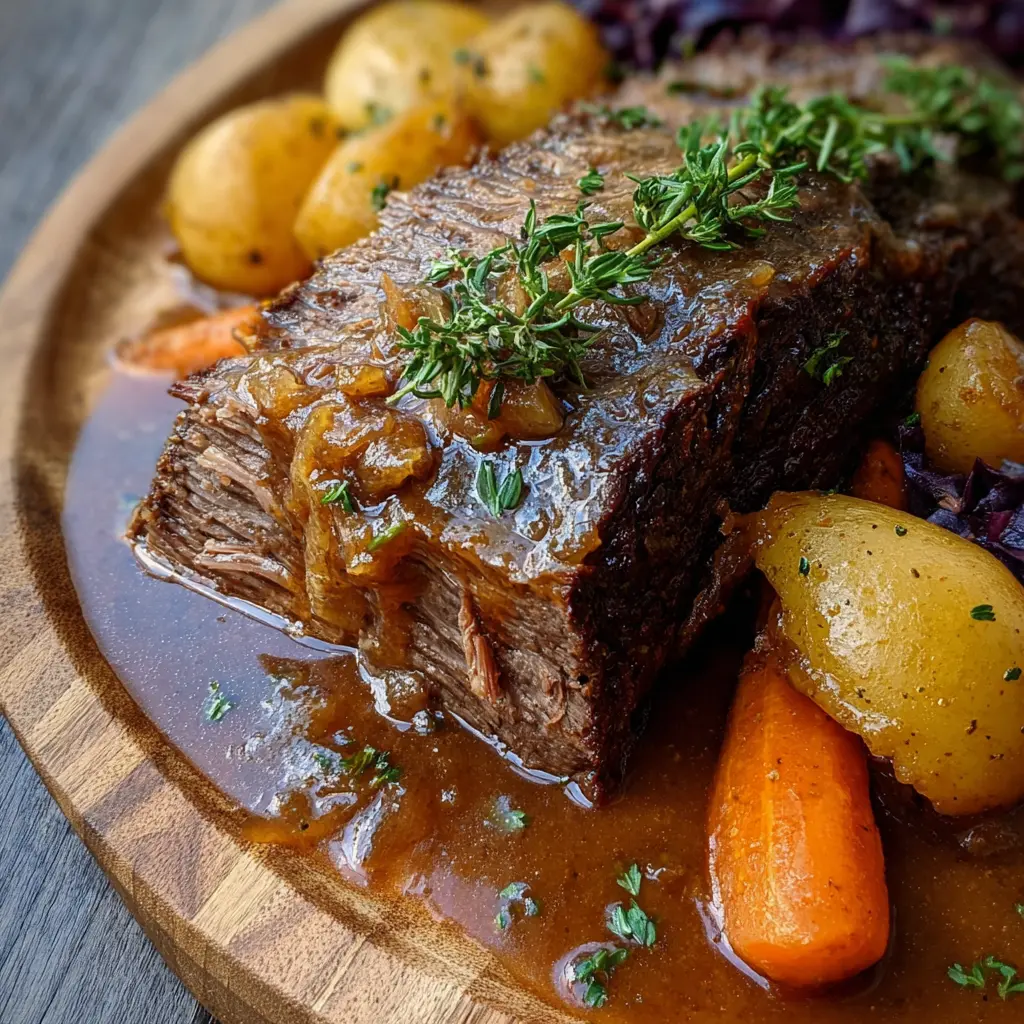
Serving Suggestions for Traditional Sauerbraten
Traditional Sides to Pair
When it comes to enjoying traditional sauerbraten, selecting the right sides can elevate your dining experience. Classic accompaniments include:
- Red Cabbage: This tangy, lightly sweet dish has a great crunch that complements the tender beef beautifully.
- Spätzle: These soft, egg noodles soak up the rich gravy, making every bite a flavor explosion.
- Potato Dumplings: Fluffy and filling, they balance the meal and are perfect for mopping up sauce.
If you're looking to deepen your sauerbraten experience, consider making your own red cabbage using this recipe from BBC Good Food, which adds a festive touch.
Creative Twists on Serving
Feeling adventurous? There's no one way to enjoy traditional sauerbraten. Try these fun variations:
- Sauerbraten Tacos: Shred the beef and serve it in corn tortillas with sauerkraut and a drizzle of mustard for a quick twist.
- Sauerbraten Sliders: Stack small portions on slider buns with a sprinkle of green onions for an exciting appetizer.
These innovations allow you to enjoy the essence of traditional sauerbraten while incorporating your personal flair. Have you ever thought of putting a twist on classic dishes? It’s a wonderful way to keep meals exciting!
Time Breakdown for Traditional Sauerbraten
Preparation Time
When diving into the delightful journey of making traditional sauerbraten, allow yourself about 30 minutes for preparation. This time will be spent marinating your beef, chopping veggies, and gathering all your ingredients. The marinating process is essential to infuse that rich flavor, so don’t rush it! You might find this tutorial helpful for tips on preparing the perfect marinade.
Cooking Time
Once you have everything prepped, the cooking time comes in at around 3 to 4 hours. While this might sound lengthy, most of the time is spent simmering the meat until it's beautifully tender. It's a great opportunity to catch up on your favorite series or tackle some chores—multitasking at its finest!
Total Time
So, when we combine the preparation and cooking times, you’re looking at a total time of approximately 3.5 to 4.5 hours. Yes, it’s a commitment, but believe me, the reward of a hearty, comforting plate of sauerbraten is well worth it. In no time, you’ll have a meal that not only fills your stomach but also warms your heart. Want to understand the history behind this classic dish? Check out this great resource on German cuisine!
Nutritional Facts for Traditional Sauerbraten
Calories
When it comes to traditional sauerbraten, a serving generally clocks in at around 350-400 calories. This hearty dish packs a punch with its flavorful beef, which is marinated to perfection. However, remember, the calorie count can vary depending on the specific recipe and accompaniments you choose.
Protein
One of the highlights of this dish is its impressive protein content. A serving of traditional sauerbraten typically provides about 30 grams of protein, making it an excellent option for those focused on muscle repair and growth. Pair it with nutrient-rich sides, like roasted vegetables or a fresh salad, for a balanced meal.
Dietary Restrictions
For those with dietary restrictions, it's essential to note that traditional sauerbraten is naturally gluten-free when made without specific thickeners. Additionally, by substituting Turkey Bacon for standard ingredients, you can reduce fat content while still enjoying a savory experience. Opting for Chicken Ham instead of regular ham can also provide a lighter alternative.
For more information on balancing flavors and dietary needs, check out the Harvard T.H. Chan School of Public Health. It’s a great resource for understanding how to adapt your favorite dishes!
FAQs about Traditional Sauerbraten
When exploring traditional Sauerbraten, it's natural to have some questions. Let’s dive into some frequently asked questions that might pop up while you prepare this delightful dish!
Can I use a different cut of meat?
Absolutely! While traditional Sauerbraten often uses beef roast, you can experiment with other cuts, such as chuck or brisket, which both offer robust flavors and tenderness after marinating. Some people even opt for different meats like lamb if they’re feeling adventurous. Just ensure whatever cut you choose has good marbling for that melt-in-your-mouth experience!
How do I store leftovers?
Leftover traditional Sauerbraten can be a treat! Store it in an airtight container in the fridge, and it should be good for up to 3-4 days. Make sure to keep the meat and the gravy together for the best preservation of flavor. If you're looking for more tips on storing leftovers, check out resources like FoodSafety.gov.
Can I freeze Sauerbraten?
Yes, you can freeze your leftover traditional Sauerbraten! The key is to cool it completely before transferring it to a freezer-safe container or heavy-duty freezer bag. It will keep well for up to 3 months in the freezer. When you’re ready to enjoy it again, just thaw it in the refrigerator overnight and reheat gently on the stove for the best results.
By addressing these common questions, we hope that your experience making and enjoying traditional Sauerbraten is as rich and fulfilling as its flavor! If you have more questions or unique tips about this comforting dish, feel free to share in the comments!
Conclusion on Traditional Sauerbraten
As we wrap up our culinary journey through traditional sauerbraten, it’s clear why this dish is a beloved staple in German cuisine. The method of marinating beef not only tenderizes the meat but also infuses it with a complex flavor that resonates deeply with those who try it.
Cooking this pot roast can bring a slice of German culture right to your dining table. Whether you're preparing it for a cozy family dinner or a casual gathering with friends, sauerbraten will leave a lasting impression. Interested in diving deeper? Check out Serious Eats for expert seasoning tips and serving suggestions. Remember, the key to a fantastic sauerbraten lies in patience; the longer you marinate, the better the flavor!
Print
Traditional Sauerbraten: Easy German Pot Roast for Home Chefs
Discover how to make traditional Sauerbraten, a delicious German pot roast, perfect for home chefs looking for authentic flavors.
- Total Time: 3 days 3 hours 15 minutes
- Yield: 6 servings
Ingredients
- 3 pounds beef roast
- 2 cups red wine vinegar
- 1 cup water
- 1 teaspoon salt
- 1 teaspoon black pepper
- 1 teaspoon brown sugar
- 1 large onion, chopped
- 3 cloves garlic, minced
- 2 bay leaves
- 6 whole cloves
- 1 teaspoon mustard seeds
- 2 tablespoons vegetable oil
Instructions
- In a large bowl, combine red wine vinegar, water, salt, pepper, brown sugar, onion, garlic, bay leaves, cloves, and mustard seeds to create the marinade.
- Place the beef roast in the marinade and refrigerate for at least 3 days, turning every day.
- After marinating, remove the roast and pat dry.
- In a large pot, heat vegetable oil over medium-high heat. Sear the roast on all sides until browned.
- Add the marinade to the pot and bring it to a simmer. Cover and cook on low heat for about 3 hours until the meat is tender.
- Remove the roast, let it rest for 10 minutes, then slice and serve with the sauce.
Notes
- This dish pairs well with red cabbage and potato dumplings.
- For a thicker gravy, you can add a cornstarch slurry at the end of cooking.
- Prep Time: 15 minutes
- Cook Time: 3 hours
- Category: Main Course
- Method: Braised
- Cuisine: German
Nutrition
- Serving Size: 1 slice
- Calories: 320
- Sugar: 3g
- Sodium: 700mg
- Fat: 20g
- Saturated Fat: 8g
- Unsaturated Fat: 9g
- Trans Fat: 0g
- Carbohydrates: 5g
- Fiber: 1g
- Protein: 28g
- Cholesterol: 90mg