Introduction to German Cheesecake
If you’re a young professional balancing a busy schedule and craving a delectable dessert, German Cheesecake could be your new go-to treat! But what makes this dessert particularly appealing to those of us juggling work, social lives, and personal wellness? Let’s dive into why you should infuse your life with this creamy delight.
Why German Cheesecake is a Game-Changer for Young Professionals
German Cheesecake, also known as "Käsekuchen," stands out for a number of reasons that align perfectly with the lifestyles of young professionals:
-
Simplicity: Unlike its American counterpart, which often incorporates heavy toppings or complicated crusts, German Cheesecake relies on simple ingredients like quark (a type of fresh dairy product) and eggs. This makes the preparation process straightforward, allowing even the most novice chef to succeed. You can follow a basic recipe here BBC Good Food for an introduction to this delightful cake.
-
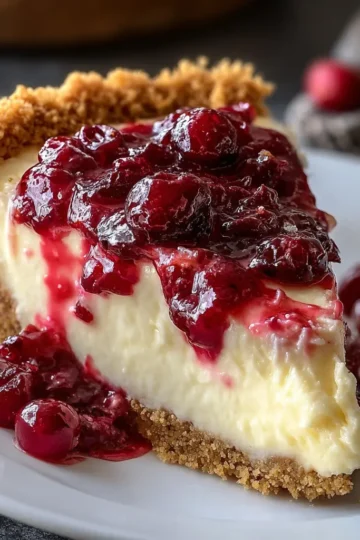
Versatility: Whether you enjoy it plain, with fresh fruit, or drizzled with a fruit compote, the German Cheesecake can be customized to suit any palate. You can adapt it to include seasonal fruits or even a layer of chocolate for those days when you need a little extra indulgence.
-
Healthier Options: If you’re mindful of your nutrition, it’s worth noting that German Cheesecake can be made using low-fat ingredients without sacrificing flavor. Quark is lower in fat than cream cheese, and you can sweeten it with natural sweeteners like honey or agave syrup instead of refined sugar.
-
Great for Meal Prep: Preparing a German Cheesecake ahead of time can be a real time-saver during busy weeks. Slice and store it in the refrigerator for a quick grab-and-go snack or an impressive dessert for last-minute gatherings.
In addition to being easy on the palate, it’s easy on the prep time too. Research suggests that desserts like cheesecake can be a great way to foster creativity and relieve work-related stress. So why not invest a little time into treating yourself?
So, are you ready to uncover the creamy secrets behind creating an irresistible German Cheesecake? Let’s get started!
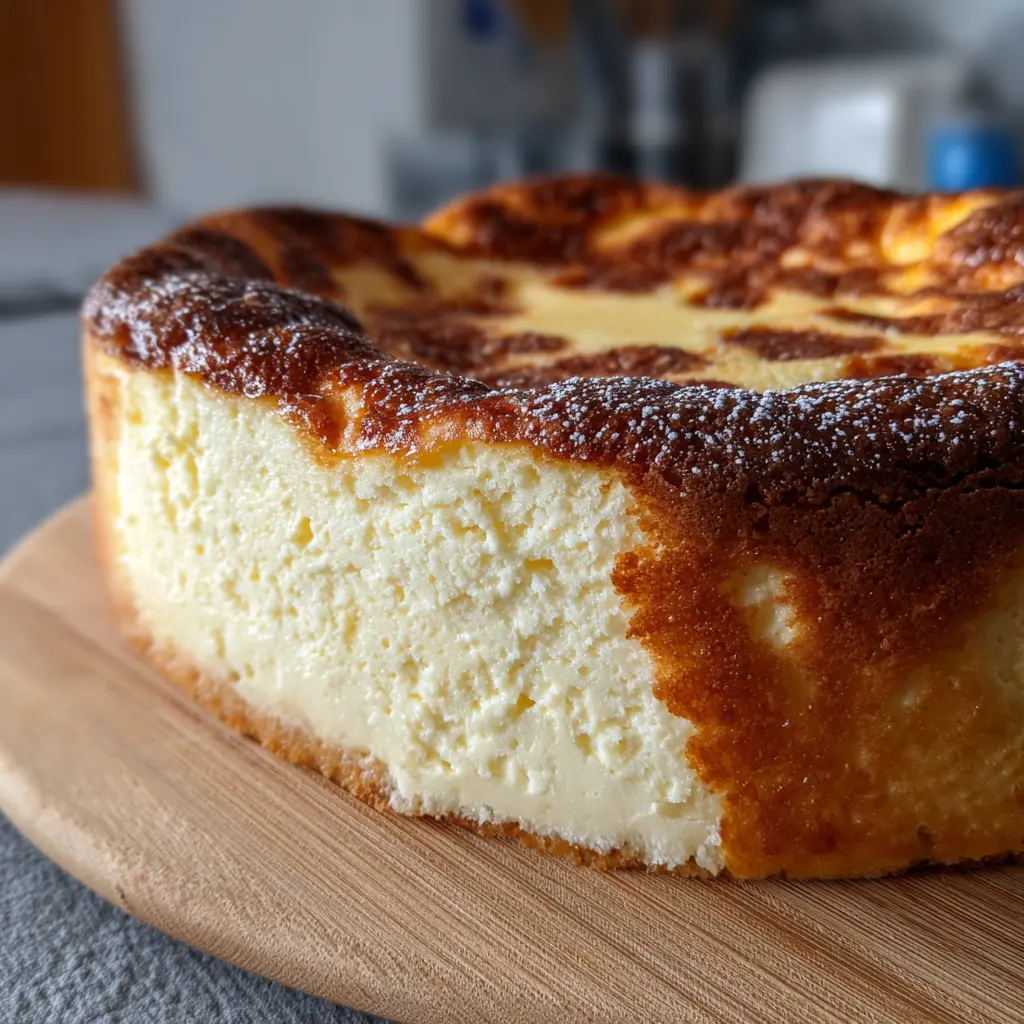
Ingredients for German Cheesecake
For the Crust
Creating a delightful German Cheesecake starts with the perfect crust. Here’s what you’ll need:
- 1 ½ cups crushed graham crackers (or digestive biscuits)
- ½ cup unsalted butter, melted
- 2 tablespoons sugar
- A pinch of salt
The combination of crushed crackers, butter, and a touch of sugar forms a buttery base that complements the creamy filling beautifully. If you’ve ever made a cheesecake before, you know how crucial this step is!
For the Filling
Now, let’s dive into the star of the show—the filling. Gather the following ingredients:
- 16 oz cream cheese, softened
- 1 cup sour cream
- ¾ cup sugar
- 3 large eggs
- 1 tablespoon vanilla extract
- 1 tablespoon lemon juice
This filling is what gives German Cheesecake its signature smooth texture and rich flavor. The addition of sour cream adds a tangy depth that’s simply irresistible. Trust me, a little lemon juice goes a long way in brightening up the flavor profile!
For more inspiration on variations and flavors, check out Chef John’s cheesecake techniques and elevate your baking game! Happy baking!
Step-by-Step Preparation of German Cheesecake
When it comes to desserts, few things capture the deliciousness and richness quite like a properly made German Cheesecake. With its velvety filling and crumbly crust, this cake is a favorite for special occasions or just a cozy night in. Here’s a straightforward guide to help you create your own masterpiece at home.
Prepare the Dough
Start with the crust, which forms the foundation of your German Cheesecake. Here’s what you’ll need:
- 200g (about 2 cups) of all-purpose flour
- 100g (about ½ cup) of granulated sugar
- 1 teaspoon of baking powder
- A pinch of salt
- 1 large egg
- 100g (about ½ cup) of unsalted butter, softened
Combine the flour, sugar, baking powder, and salt in a mixing bowl. Add the egg and softened butter, and use your hands or a pastry cutter to blend everything until the mixture resembles coarse crumbs. It should come together into a smooth dough. Wrap it in plastic wrap and refrigerate for at least 30 minutes to firm up.
Preheat the Oven
While the dough chills, preheat your oven to 175°C (350°F). This ensures your cheesecake begins baking at the right temperature, providing that perfectly cooked consistency.
Roll Out and Fit the Dough
Once your dough has chilled, lightly flour a clean surface and roll it out to about 0.5cm (¼ inch) thick. Carefully transfer the dough to a 23cm (9-inch) round springform pan. Press the dough into the bottom and up the sides of the pan, trimming any excess at the top. Poking small holes with a fork in the base allows steam to escape while baking, preventing air bubbles.
Prepare the Filling
Now, let’s whip up the creamy filling that will make your German Cheesecake irresistible. You will need:
- 500g (about 2 cups) of quark or cream cheese
- 150g (about ¾ cup) of granulated sugar
- 2 large eggs
- 1 teaspoon of vanilla extract
- 200ml (about ¾ cup) of heavy cream
- Zest of half a lemon
In a bowl, beat the quark or cream cheese until smooth. Gradually add in the sugar, mixing until it is well combined. Incorporate the eggs one at a time, making sure to beat well after each addition. Stir in the vanilla, lemon zest, and heavy cream until the filling is light and airy.
Assemble the Cheesecake
Pour the filling into the prepared crust, smoothing it out with a spatula. This layer of richness is what elevates a standard cheesecake to a German Cheesecake masterpiece.
Bake
Place the assembled cheesecake in the preheated oven and bake for around 50-60 minutes, or until the edges are set but the center still has a slight jiggle. Don’t worry if it seems a little soft; it will firm up as it cools.
Cool Gradually
Once baked, turn off the oven and let the cheesecake sit inside for about 30 minutes with the door slightly ajar. This slow cooling process helps to prevent cracks. After that, transfer it to a wire rack to cool completely at room temperature.
Chill
Finally, cover your cheesecake and place it in the refrigerator for at least 4 hours, preferably overnight. This chilling period enhances the flavors and gives you that perfect slice when it's time to serve.
Making a German Cheesecake is a delightful journey, turning simple ingredients into a delicious experience that can impress family and friends alike. Whether you're enjoying it with a rich cup of coffee or a cozy herbal tea, this cheesecake will surely stand out. Happy baking!
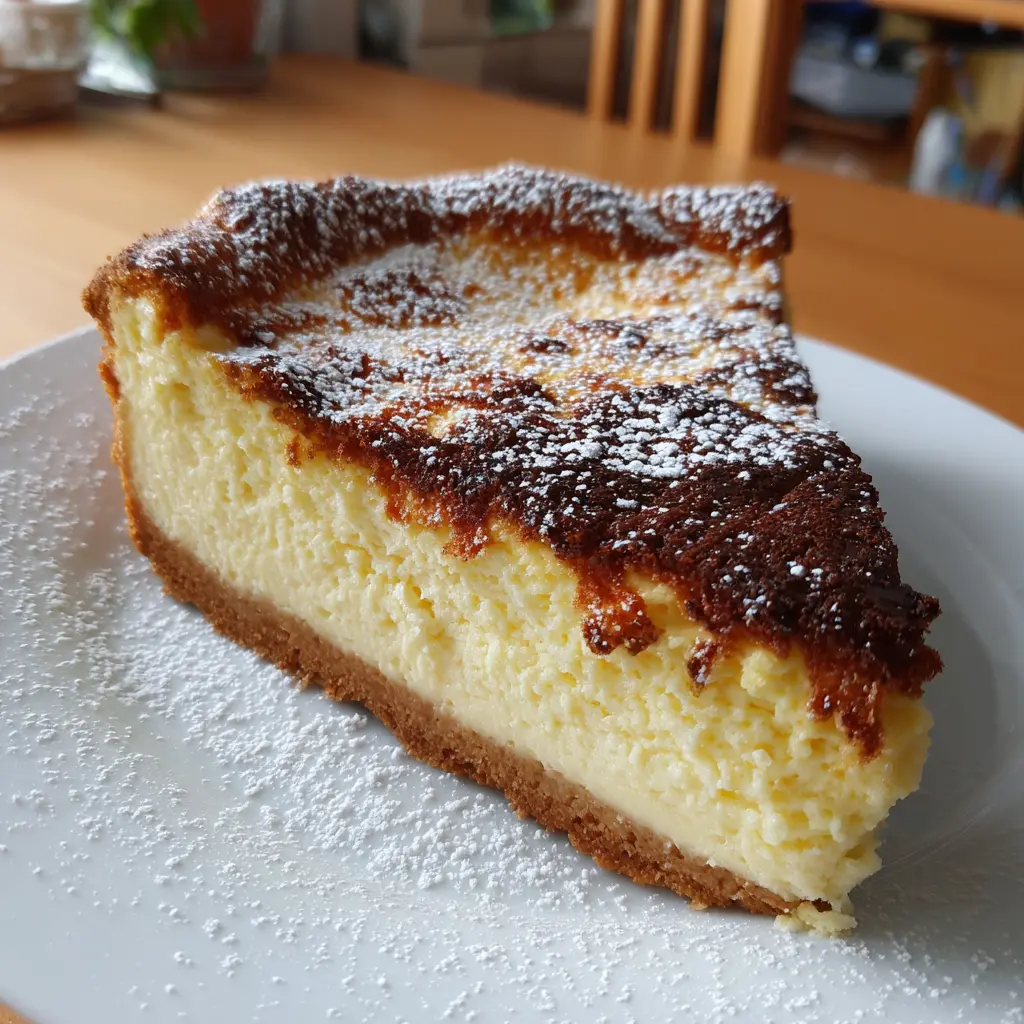
Variations on German Cheesecake
When it comes to German cheesecake, the traditional recipe is just the beginning. There are so many delightful variations that you can easily cater to different tastes or dietary preferences. Let's explore a few scrumptious options!
Fruity German Cheesecake
For those who love a burst of freshness, consider making a fruity German cheesecake. You can incorporate your favorite seasonal fruits, like strawberries, blueberries, or even peaches. Just blend about a cup of fruit puree into the cheesecake batter or use it to create a vibrant topping. To elevate the flavors even more, try using a touch of lemon juice and zest! Your guests will appreciate the refreshing twist. Check out seasonal fruit guides for inspiration on which fruits pair best with your cheesecake.
Chocolate Swirl German Cheesecake
Chocoholics, rejoice! A chocolate swirl German cheesecake can satisfy your sweet tooth. Simply melt some dark chocolate and swirl it into your traditional cheesecake batter before baking. This not only adds a rich flavor but also creates a visually stunning pattern. To make it even more decadent, consider serving individual slices with a drizzle of chocolate sauce or a dollop of whipped cream. It’s a perfect dessert for gatherings or cozy nights in.
Vegan German Cheesecake
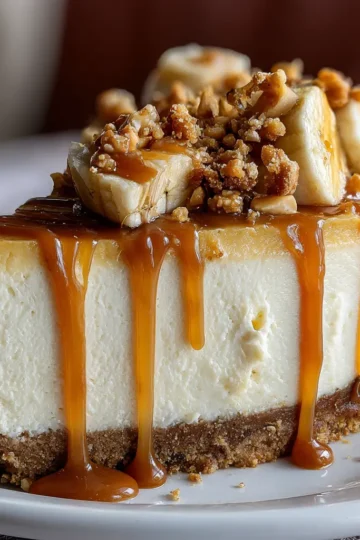
If you're seeking a vegan German cheesecake alternative, there's plenty to love! Using ingredients like cashews for creaminess and coconut milk for richness makes this version incredibly satisfying. Simply soak cashews, blend them with a few simple vegan ingredients like maple syrup and vanilla extract, and voilà! The result is a smooth and creamy cheesecake that even non-vegans will enjoy. For some extra flair, consider adding a fruit topping or a sprinkle of crushed nuts on top.
With these variations, you can enjoy the classic German cheesecake in exciting new ways! Whether you’re hosting a dinner party or just treating yourself, these twists will elevate your baking game to a whole new level.
Cooking Tips and Notes for German Cheesecake
Common Mistakes to Avoid
When making German Cheesecake, a few slip-ups can lead to disappointing results. One common mistake is overmixing the batter, which can create a dense texture. Aim for a smooth consistency, but don’t go overboard! Another pitfall is using cold cream cheese; always let it soften at room temperature first for a creamy filling. Lastly, avoid skipping the resting time in the fridge—this allows the cheesecake to set properly and enhances its flavor. Trust me; patience really pays off!
Importance of Ingredients
The quality of your ingredients can make all the difference in your German Cheesecake. Opt for full-fat cream cheese for that rich, velvety texture. Fresh eggs are essential, as they not only bind the ingredients but also add a delightful fluffiness. Don’t forget the sugar! A good quality granulated sugar will help balance the taste and texture. For a delightful twist, you might consider incorporating a splash of vanilla extract or lemon juice to brighten the flavors. Happy baking! For more tips, check out this guide on baking basics.
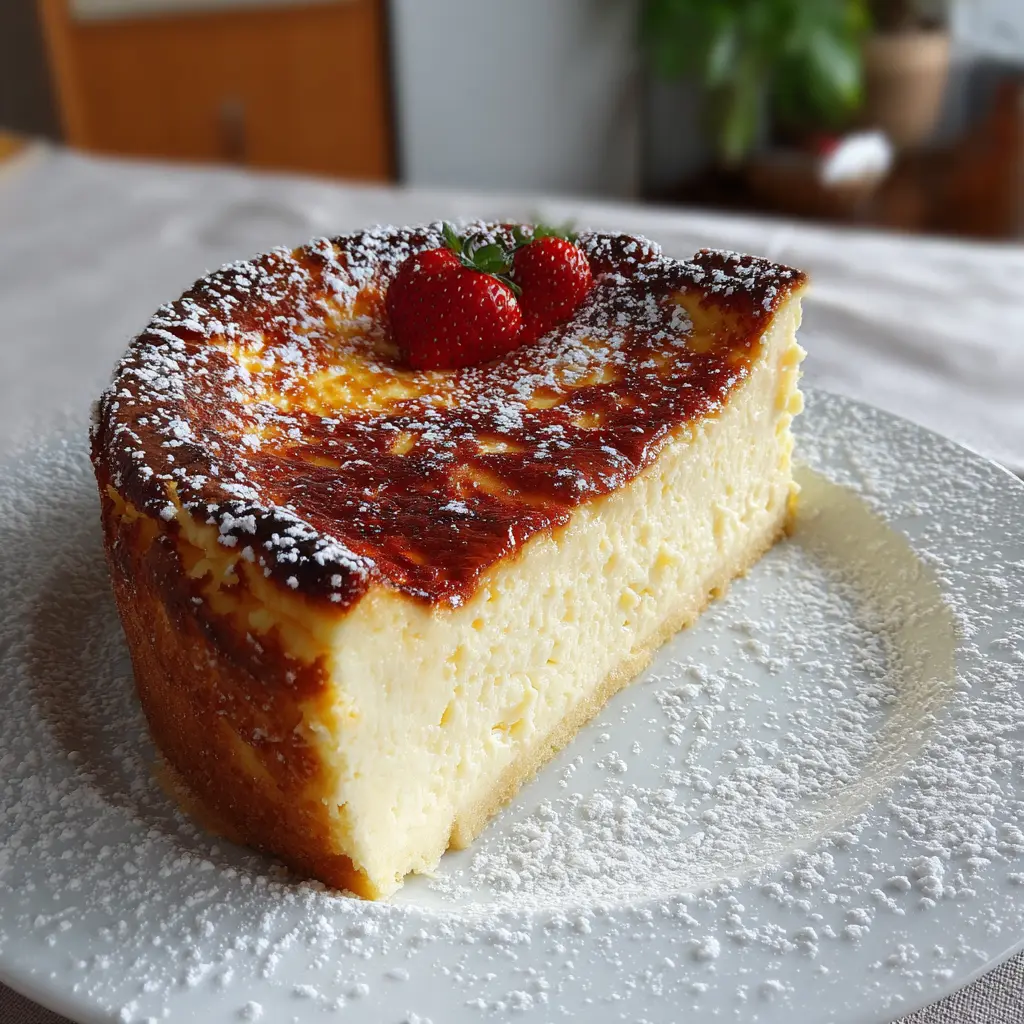
Serving Suggestions for German Cheesecake
Toppings to Consider
When it comes to making your German Cheesecake a standout dessert, the right toppings can elevate it to new heights. Here are some delightful options:
- Fresh Fruits: Consider a medley of berries, such as strawberries or blueberries, for a pop of color and refreshing taste. They not only enhance presentation but also add a tangy contrast to the creamy filling.
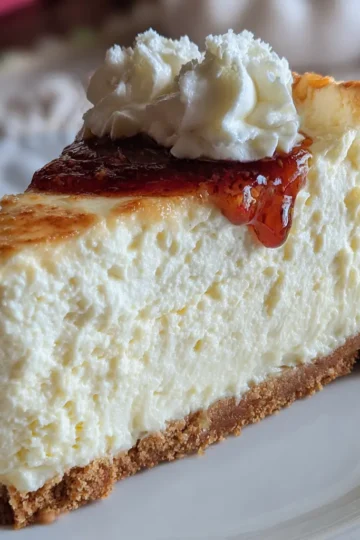
- Whipped Cream: A dollop of homemade whipped cream adds a luxurious touch. You can even whip in a bit of vanilla extract for extra flavor.
- Chocolate Drizzle: A simple drizzle of dark or white chocolate can create an elegant finish. This may also resonate well with chocolate lovers who appreciate a touch of decadence.
Feeling creative? Check out BBC Good Food for insights on crafting the perfect whipped cream!
Pairing with Beverages
Pairing your German Cheesecake with the right beverages can make for an unforgettable dessert experience.
- Coffee or Tea: A rich, brewed coffee or herbal tea can provide a delightful contrast to the creaminess. Consider serving it with a side of Turkish coffee for a more adventurous twist.
- Smoothies: For a fruity and refreshing addition, a berry smoothie can complement the cheesecake beautifully, making your dessert feel light and festive.
Do you prefer more unique options? Discover how to create a mouthwatering smoothie at EatingWell.
With these tips, you’ll not only serve a delicious German Cheesecake but also ensure a well-rounded culinary experience for your guests!
Time Breakdown for German Cheesecake
Preparation Time
Getting your German cheesecake ready is a breeze! You’ll need about 20-25 minutes to gather your ingredients, mix your batter, and prepare your crust. Whether you're using a store-bought crust or making your own, this initial phase is all about setting up for delicious success.
Cooking Time
Once your cake is in the oven, it’s time to take a breather. The baking will take around 50-60 minutes. The goal is to achieve that beautiful golden top that signals perfection. Make sure to keep an eye on it towards the end to avoid over-baking!
Total Time
In total, you’re looking at about 1 hour and 20-25 minutes, plus additional cooling time. While you’re waiting, maybe catch up on your favorite show or dive into that book you’ve been meaning to read! Just remember, patience is key for that creamy, satisfying slice of German cheesecake you’re awaiting. For tips on maintaining cheesecake texture, check out resources like Serious Eats.
By managing your time wisely, you’ll be able to enjoy this delightful treat without the stress!
Nutritional Facts for German Cheesecake
When indulging in a slice of German Cheesecake, it’s good to be aware of what you’re savoring. Here’s a breakdown of its nutritional values to help you enjoy it mindfully.
Calories
A typical serving of German Cheesecake contains about 300-400 calories. While it’s a delicious treat, being conscious of portion sizes can help you enjoy it without overdoing it.
Protein
One of the delightful aspects of German Cheesecake is its creamy texture, which is often thanks to the addition of quark or cream cheese. This can provide around 8-10 grams of protein per slice, making it a decadent yet satisfying dessert option.
Sugar
As with many desserts, sugar content can vary significantly. Most recipes have about 20-30 grams of sugar per serving. To create a lighter version, you might consider alternatives or reducing the amount of sugar in the recipe without sacrificing that heavenly taste.
For more information on nutritional values, check out resources like Healthline or MyFitnessPal. These can give you a broader perspective on how dessert fits into a balanced diet. Enjoy your German Cheesecake with a sprinkle of knowledge!
FAQs about German Cheesecake
When it comes to desserts, German cheesecake is a delight that many people adore. However, you might have some questions as you dive into making it. Let’s explore a few common inquiries to help you on your baking journey!
What’s the difference between German Cheesecake and regular cheesecake?
One of the main distinctions lies in the cheese itself. While regular cheesecake typically uses cream cheese, German cheesecake uses quark or ricotta, lending a lighter texture. The crust is also different; many German cheesecakes feature a sponge cake base instead of the traditional graham cracker crust. These changes not only alter the flavor, but they also give you a delightful variance in texture and creaminess.
How can I make my cheesecake less dense?
If you prefer a lighter cheesecake, here are a few tips:
- Whip your egg whites: Incorporate air into your cheesecake by whipping the egg whites separately and folding them into the batter.
- Use room temperature ingredients: Mixing chilled ingredients can lead to a denser texture. Allow your cream cheese or quark to warm up before mixing.
- Don’t overmix: Once you add the flour, mix just until combined. Overmixing can trap excess air, causing a denser product when baked.
Can I freeze German Cheesecake?
Absolutely! German cheesecake freezes well, making it convenient for meal prep or future gatherings. Just ensure it’s fully cooled, then wrap it tightly in plastic wrap or foil. When you’re ready to enjoy it again, thaw it in the refrigerator overnight to maintain its creamy texture. This means you can always have a slice of joy ready to go!
For more tips on baking delicious desserts, check out this article on cheesecakes for a variety of recipes and techniques. Happy baking!
Conclusion on German Cheesecake
The Joy of Homemade Desserts
Making German Cheesecake offers a delightful escape into the world of baking, inviting warmth into your home. The process transforms simple ingredients into a rich, creamy delight that brings people together. Whether it's a celebratory dinner or a cozy night in, this dessert is genuinely special.
Sharing your homemade cheesecake not only showcases your culinary skills but also spreads joy among family and friends. Imagine their smiles as they savor each bite! For more inspiration and dessert ideas, check out sources like Epicurious or BBC Good Food. Embrace the sweet moments with your homemade creation!
Print
German Cheesecake Delight: Indulge in a Creamy Classic at Home
German Cheesecake is a rich and creamy dessert that brings together a delightful blend of textures and flavors.
- Total Time: 1 hour 20 minutes
- Yield: 8 servings
Ingredients
- 2 cups cream cheese
- 1 cup granulated sugar
- 1 teaspoon vanilla extract
- 3 large eggs
- ½ cup sour cream
- ¼ cup all-purpose flour
- ¼ teaspoon salt
Instructions
- Preheat your oven to 325°F (160°C).
- In a mixing bowl, beat the cream cheese until smooth.
- Add sugar and vanilla, beating well.
- Incorporate eggs one at a time, mixing thoroughly after each addition.
- Blend in sour cream, flour, and salt until combined.
- Pour the batter into a prepared springform pan.
- Bake for 60 minutes or until the center is set.
- Allow to cool and chill in the refrigerator before serving.
Notes
- For an extra touch, serve with fresh fruit or a fruit compote.
- Make sure all ingredients are at room temperature for a smoother batter.
- Prep Time: 20 minutes
- Cook Time: 60 minutes
- Category: Dessert
- Method: Baking
- Cuisine: German
Nutrition
- Serving Size: 1 slice
- Calories: 350
- Sugar: 25g
- Sodium: 200mg
- Fat: 24g
- Saturated Fat: 14g
- Unsaturated Fat: 8g
- Trans Fat: 0g
- Carbohydrates: 28g
- Fiber: 1g
- Protein: 6g
- Cholesterol: 95mg